
You want a goatee that fits your face, your lifestyle, and the image you put forward. This guide walks you through 11 versatile goatee styles—from classic and connected looks to sharper, disconnected options—so you can spot the styles that match your features and grooming goals.
You’ll learn which goatee shapes enhance jawlines, simplify maintenance, and suit different face shapes, helping you pick a look you’ll actually wear.
Explore short descriptions, styling tips, and practical notes on upkeep for each variation so you can compare options quickly and confidently. With clear examples and straightforward guidance, you’ll find a goatee that feels deliberate and easy to maintain.
1) Classic Pure Goatee

The pure goatee is a small patch of hair centered on the chin without a connected mustache. It gives a clean, deliberate look that suits many face shapes, especially round and square jaws.
You maintain it by keeping the edges defined and the surrounding cheeks clean-shaven. Trim the length regularly to prevent a scruffy appearance and use a precision trimmer for crisp lines.
This style works well if you want low maintenance but still want facial hair that frames the lower face. It can make the chin appear longer and add structure when your jawline needs a bit of emphasis.
Choose a length that matches your overall grooming—short, tight stubble reads neat and modern; slightly longer gives a more relaxed vibe. Make sure the width stays proportional to your chin; too wide can overwhelm a smaller face.
PRO TIP
Trim after a warm shower when hair is softer and easier to shape. Use a small comb and scissors to remove stray hairs, and apply a light moisturizer or beard oil to keep the patch looking healthy.
2) Full Goatee (Connected Mustache)

A full goatee connects the chin beard and mustache into a single, framed shape. It creates a balanced, intentional look without committing to a full beard.
You can keep the edges sharp for a polished appearance or soften them for a more relaxed vibe. The style works well if you want facial hair that reads structured but not heavy.
This goatee suits many face shapes because the connected mustache helps fill the mid-face and draw attention to your features. It pairs especially well with square and oval faces, where it can add length or reinforce jaw definition.
Maintenance is straightforward: trim regularly to keep the connection neat and use a precision trimmer for clean lines. A light beard oil or balm will control stray hairs and keep the area looking healthy.
PRO TIP
If you want to make your jaw appear longer, let the chin portion taper slightly downward. For a fuller look, let the cheeks grow a bit fuller and blend them into the goatee, but avoid letting the sides spread too wide.
3) Van Dyke (Disconnected Mustache & Chin)

The Van Dyke pairs a clearly separated mustache with a pointed chin beard. You get a refined, slightly bold look that highlights the mouth and chin without sideburn or cheek coverage.
This style dates to the 17th century and remains popular because it blends classic elegance with modern versatility. You can vary the width and point of the chin tuft or the thickness and curl of the mustache to match your face shape and personal style.
Keep the cheeks clean-shaven and maintain a deliberate gap between mustache and goatee. Regular trimming and defined edges preserve the crisp separation that defines the Van Dyke.
If you prefer a sharper appearance, trim the chin hair into a distinct triangular point. For a softer take, round the tip slightly and leave a touch more length for texture.
H3
PRO TIP
Use a precision trimmer for the neck and cheek lines, and a small pair of scissors to shape the point on the chin. Comb your mustache into place and consider a light wax if you want a subtle lift or curl.
4) Anchor Goatee

The anchor goatee pairs a pointed chin beard with a narrow mustache and thin lines along the jaw. It creates a stylized, nautical-inspired shape that frames the lower face and draws attention to the chin.
You should consider this style if you want a sharp, intentional look that reads as both modern and classic. It works well to add definition on round or soft face shapes by elongating the lower face.
Maintenance requires precise trimming and regular shaping to keep the anchor’s clean lines. Use a fine trimmer or razor to define the point and keep cheek and neck areas tidy; small touch-ups every few days prevent the shape from softening.
Beard density affects how the anchor will look on you. If your hair is patchy, the fine lines and pointed chin can highlight gaps, so you may need to adjust the width or length to suit your growth pattern.
For styling, comb the chin hairs downward and trim to a tapered point. Apply a light beard oil for sheen and a small amount of wax to the tip if you want a more sculpted finish.
PRO TIP
Map the anchor’s edges with a washable marker or trimmer guard before committing to the final cut. This helps you visualize proportions and keeps the shape symmetrical while you refine it.
5) Circle Beard

The circle beard combines a rounded chin beard and a connected mustache to form a neat, continuous loop. It reads as tidy and intentional, making it a popular choice for men who want facial hair that looks groomed but not overstyled.
You can wear a circle beard short and subtle or let it grow fuller depending on your face shape. It suits oval and square faces particularly well because the rounded bottom softens angles while preserving structure.
Maintenance focuses on clean edges and regular trimming. Use a short guard on your trimmer for the bulk, then define the border with a precision trimmer or razor to keep the loop clear and symmetrical.
Pay attention to how your mustache connects to the chin hair. A smooth, even connection makes the style look deliberate; patchy joins call for either shorter trimming to blend or a different style that embraces natural growth patterns.
Select a length that complements your features and lifestyle. Shorter circles read professional and low-maintenance, while a fuller version can add maturity and presence without demanding excessive grooming.
PRO TIP
Trim when your beard is dry to see its true length and shape. Use a small comb to align hairs before you outline the circle for more precise symmetry.
6) Balbo Goatee
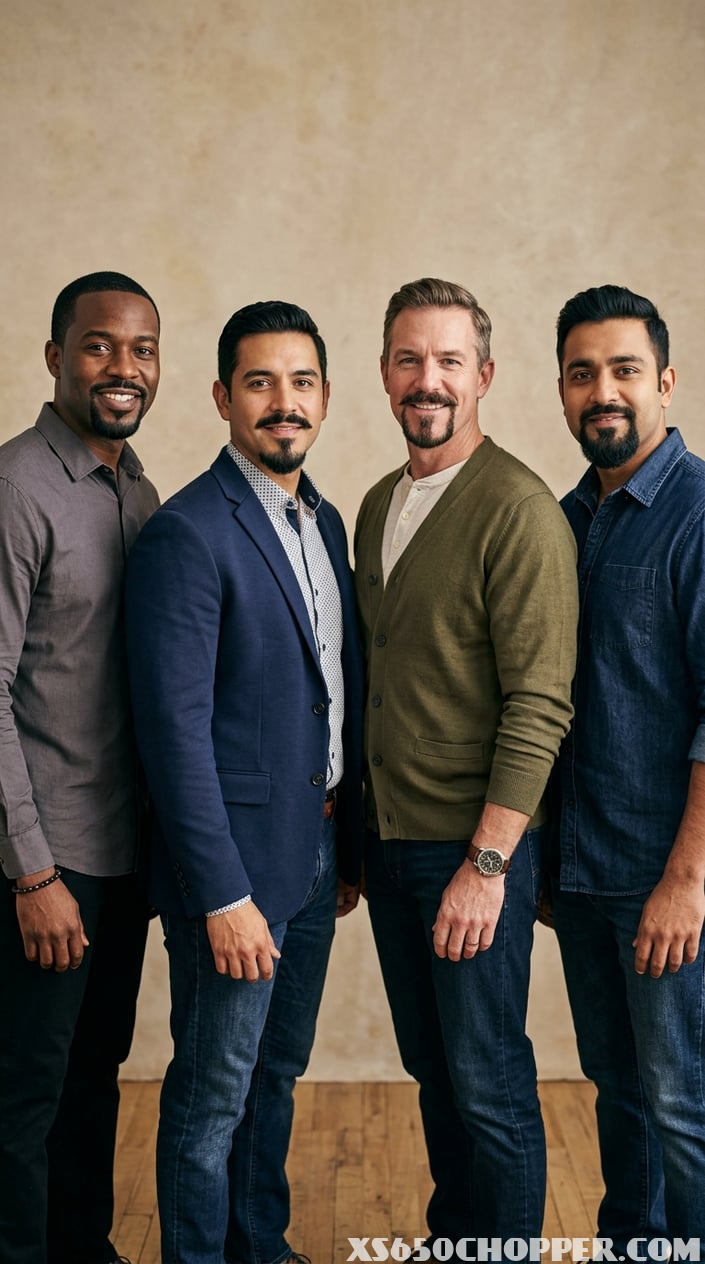
The Balbo goes beyond the simple chin tuft and creates a defined, modern frame for your mouth and jaw. It combines a trimmed moustache with a separated chin beard and usually leaves the cheeks clean-shaven, producing a floating effect that draws attention to your lower face.
This style suits you if you want to add structure without committing to a full beard. It works especially well on oval, square, and triangle face shapes because it can lengthen the chin area and emphasize a strong jawline.
Keep the lines sharp and the lengths controlled. Trim the chin piece into a neat patch and shape the moustache so it sits distinct from the beard; avoid letting the two merge unless you prefer a fuller, connected look.
Maintain the Balbo with regular washing, conditioning, and trimming. Use a precision trimmer for the cheek and neckline edges, and a small scissors or detail trimmer to tidy the moustache and soul patch.
PRO TIP
Experiment with the width and point of the chin piece to match your face proportions. A slightly narrower, tapered chin patch will lengthen the face, while a broader shape can balance a long or narrow jaw.
7) Extended Goatee (Goatee with Jawline)

The extended goatee blends a classic goatee and mustache with hair that traces the jawline. You get more coverage than a standard goatee while keeping a defined, intentional shape.
This style suits square and oval faces especially well because it emphasizes jaw structure. It also works if you want a fuller look without committing to a full beard.
Keep the jawline line neat and tapered; clean edges make the style read as deliberate rather than untidy. You can lengthen or shorten the jawline extension to balance a longer or rounder face.
Maintenance involves regular trimming and shaping every few days, plus daily combing to sit the hairs along the jaw. Use a precision trimmer for the connecting lines and a small pair of scissors to tidy stray hairs.
PRO TIP
If you have patchy growth on the cheeks, make the jawline extension slightly narrower to avoid drawing attention to thin areas. Use light beard oil to keep the hair soft and a matte balm to control flyaways without unnatural shine.
8) Chin Puff (Small Soul Patch)

The chin puff, often called a small soul patch, is a compact bit of hair centered just below your lower lip. It gives your face a subtle focal point without committing to a full beard.
This style suits men who want low-maintenance facial hair with a touch of personality. It works well with short haircuts and can soften a square jaw or add interest to a longer face.
Keep the patch neatly trimmed and the surrounding skin clean-shaven for a deliberate, modern look. Use a precision trimmer to maintain a defined shape and scissors for occasional tidying of stray hairs.
If your growth is patchy, you can slightly widen the area to create the illusion of fuller hair. Just avoid making it too large, or it loses the intended minimalist effect.
PRO TIP
Trim the chin puff after a warm shower when hairs are softer and easier to shape. A dab of beard oil can add subtle shine and keep the small area from looking dry or flaky.
9) Stubble Goatee (Short, Textured)

The stubble goatee blends a short, shaped chin beard with textured stubble across the jaw and cheeks. It reads casual but deliberate, giving your face definition without a heavy beard.
Keep the chin area slightly thicker than the surrounding stubble to maintain the goatee shape. Trim regularly to preserve contrast; use a guard that leaves about 1–3 mm on cheeks and 3–5 mm on the chin for a balanced look.
This style suits most face shapes because the darker, denser chin area visually narrows or lengthens the face. It also hides patchiness better than a full clean-shaven goatee, since the surrounding stubble fills gaps subtly.
Use a short trimmer and define edges under the jaw and around the mouth for a neat finish. Comb through with a small brush, and consider a light balm to keep the stubble soft and the skin hydrated.
PRO TIP
Trim after a warm shower when hairs are softer; that ensures a cleaner, more even cut.
10) French Fork Goatee

The French fork goatee splits into two tapered points at the chin, creating a subtle Y-shape that adds length and texture to your lower face. It pairs well with a trimmed mustache or clean-shaven upper lip, depending on how bold you want the look.
This style works best if you have a strong chin or an oval face because the split draws attention downward and elongates your profile. It can soften round faces, too, as long as you keep the forked lengths neat rather than overly long.
Maintenance requires regular trimming and shaping to keep the two prongs even. Use small scissors or a precision trimmer for the tips and define the part with a razor or detail trimmer to keep the split crisp.
You’ll want to let the chin hair reach a few centimeters before shaping the fork; too-short growth won’t form a clear split. Aim for balanced symmetry and check your lines in a mirror from different angles while you trim.
An occasional use of light styling wax can help the prongs hold their shape without looking stiff. Keep the cheeks and neck clean-shaven for contrast; that contrast is what makes the French fork stand out.
PRO TIP
If you’re unsure which length suits you, grow the goatee for a couple of weeks, then shape the fork gradually. Trim small amounts, step back, and repeat—precision beats rushing when creating a sharp, balanced French fork.
11) Extended Anchor (Wider Jawline Trace)

The extended anchor combines the anchor goatee’s pointed chin with a wider sweep along the jawline. You get the sharpness of a defined center beard plus a subtle frame that follows the jaw toward the ears.
This style works well if you want to visually broaden a narrow jaw or add structure to a rounder face. The wider trace balances proportions without overwhelming your features.
Keep the cheek lines clean and the jawline trace tapered to avoid a heavy, boxy look. Short to medium length works best; letting the jaw area grow too long can soften the defined anchor shape.
Trim the chin point to remain prominent while blending the jawline smoothly into sideburns or fades. Use a precision trimmer for the outline and scissors for any stubborn hairs that need shaping.
Choose a fade level that matches your overall aesthetic—low fades keep a natural transition, while high fades emphasize the anchor shape. Experiment gradually and check symmetry in a mirror at eye level.
PRO TIP
Use a beard oil or light balm to keep hairs laying along the jawline and to prevent patchy spots from standing out.