You can use 15 Men’s Haircut Names You Need to Know Before Your Appointment to describe the shape, length, and finish you want with greater clarity.

A haircut name gives you a useful starting point, while details such as how short you want the sides and how you style the top help your barber tailor the cut. Bring a reference photo if you have a particular version in mind.
1) The Crew Cut
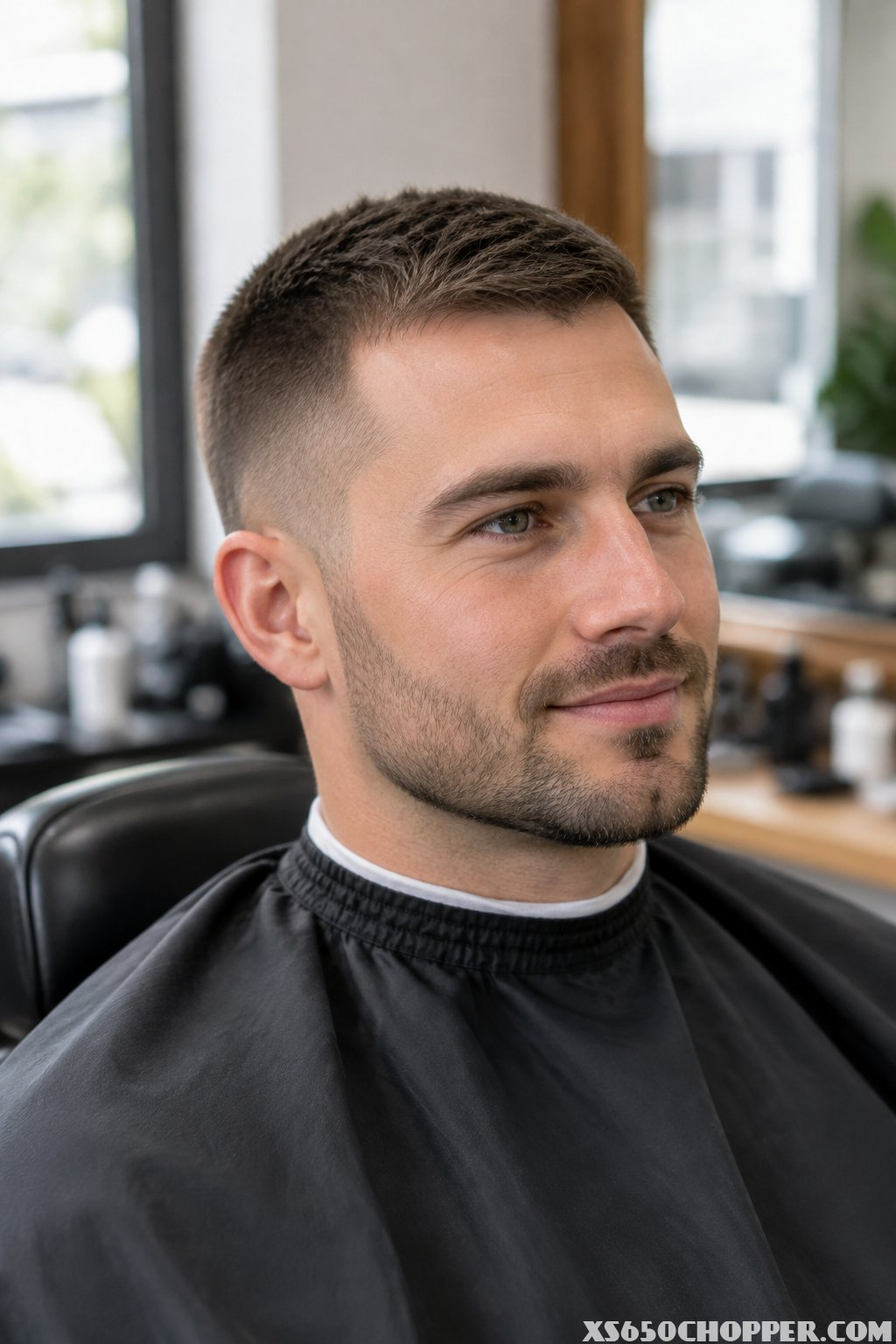
A crew cut keeps the sides short and leaves the hair on top slightly longer, with the front often the longest area. You get a tidy shape that works with a range of hair textures and requires little daily styling.
Tell your barber how much length you want on top and whether you prefer a taper or fade on the sides. A small change in top length can shift the look from close and sporty to more textured.
PRO TIP
Ask for a soft, natural hairline if you want the finish to look less sharply edged as it grows out.
2) The Buzz Cut
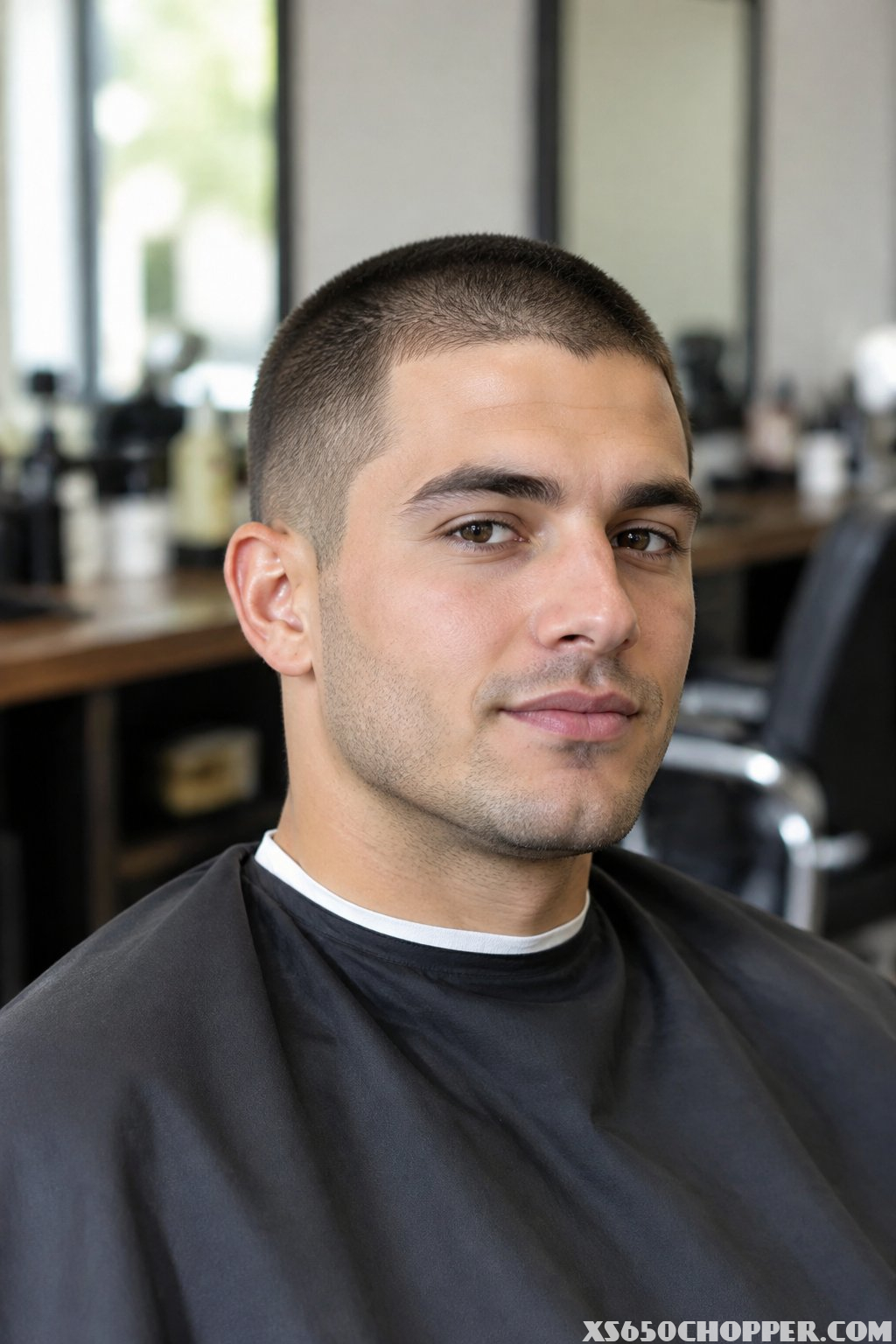
A buzz cut uses clippers to keep the hair short and even across the head. You can choose one guard length all over or pair a short top with tapered or faded sides.
Give your barber a guard number as a starting point, then confirm the length in plain language. Guard lengths vary by clipper, so a reference photo helps if you want a specific finish.
PRO TIP
Ask to see the guard length before the cut begins, especially if you’re trying a close buzz for the first time.
3) The French Crop
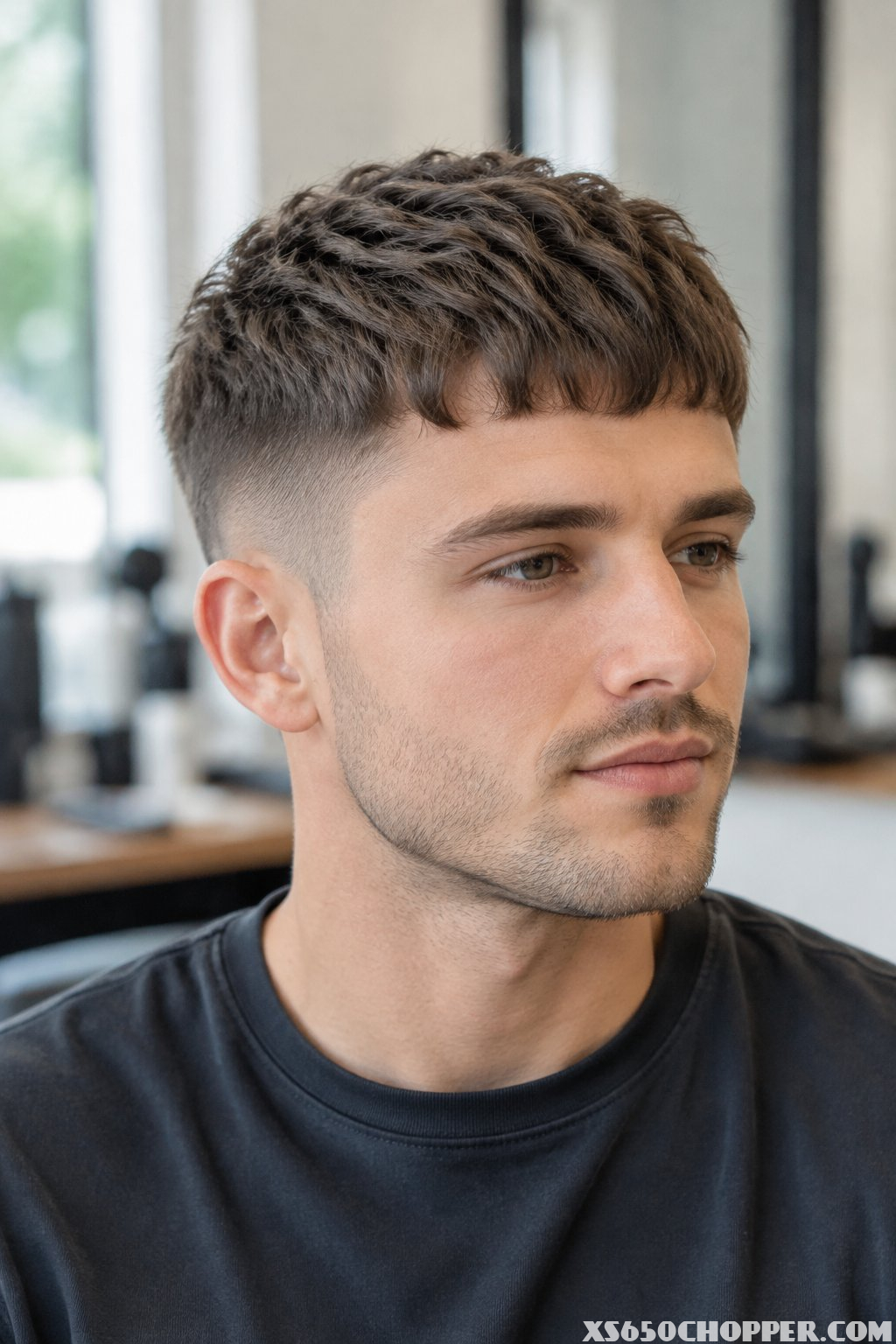
A French crop pairs short sides with a short top and a fringe worn forward over the forehead. You can keep the fringe blunt and defined or ask for a softer, more broken-up edge.
This shape gives you a clear outline and a top that needs little styling. Tell your barber whether you want a fade or a more gradual taper at the sides.
PRO TIP
If you prefer a relaxed finish, ask for texture through the top and a fringe that sits lightly on your forehead.
4) The Caesar Cut
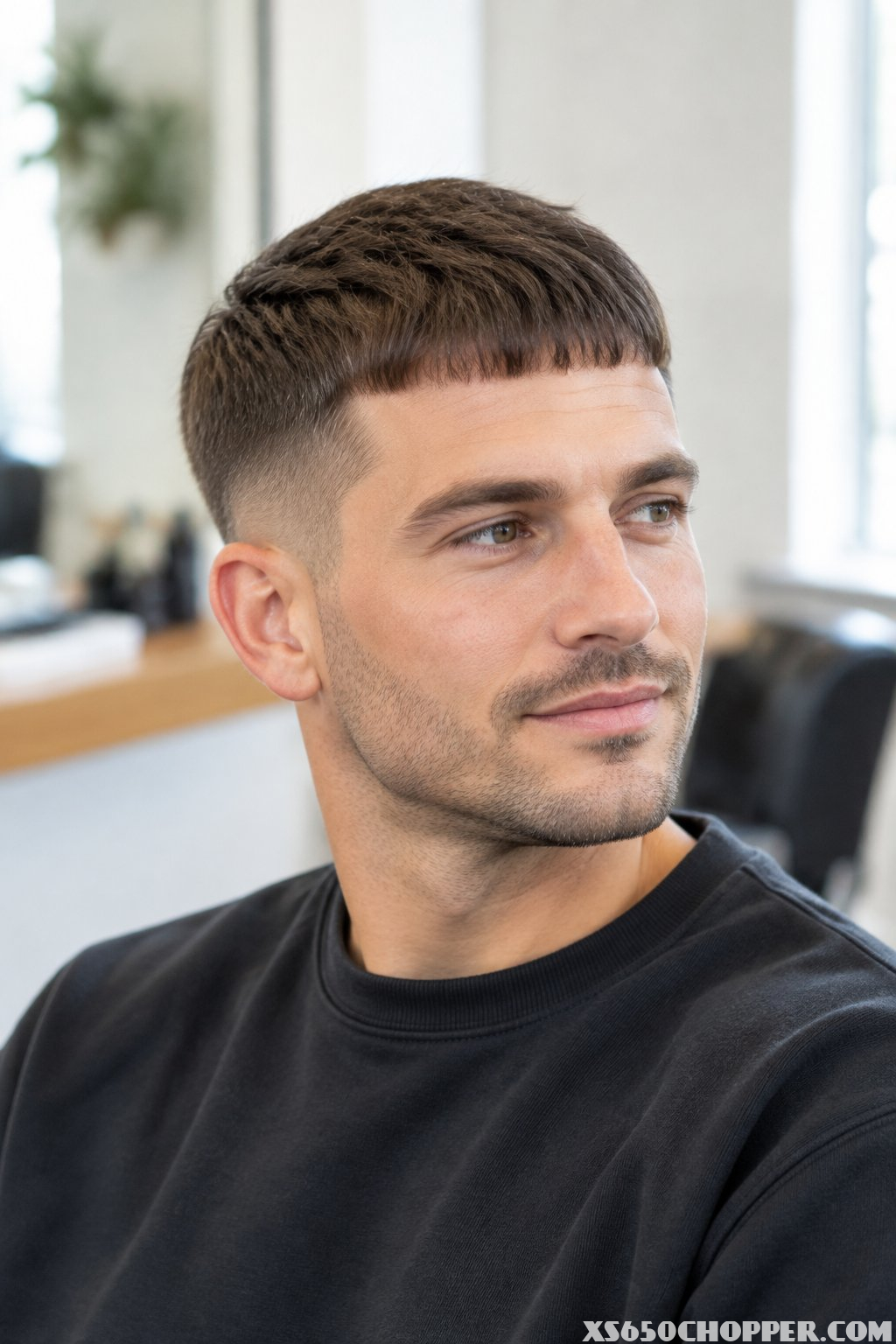
A Caesar cut features short, fairly even hair on top with a small fringe brushed forward. Its compact shape gives you a simple routine, with a little styling product adding definition when you want it.
The Caesar and French crop both use a forward fringe, though the Caesar often keeps the top more uniform. Explain how much forehead coverage you want so your barber can set the fringe length.
PRO TIP
Ask your barber to keep the fringe short enough to sit comfortably without falling into your eyes.
5) The Classic Taper
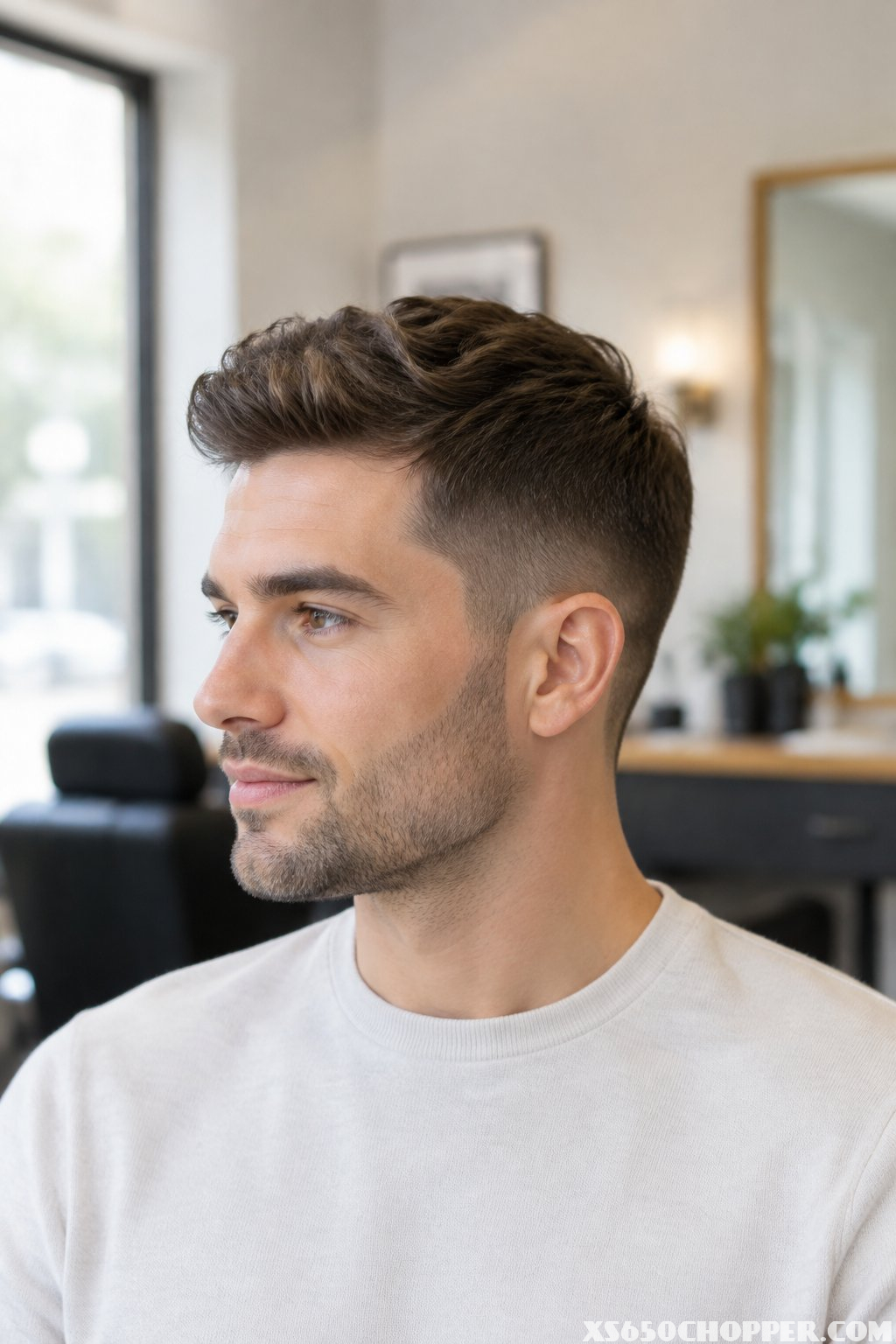
A classic taper gradually shortens the hair around the sideburns and neckline while leaving more length above. You keep a clean outline with a softer transition and visible weight through the sides.
You can pair a taper with many top styles, from a side part to a textured finish. Specify how much length you want around the temples and nape, since those areas define the taper’s shape.
PRO TIP
Ask for a low taper if you want the shortening to stay close to the sideburns and neckline.
6) The Fade
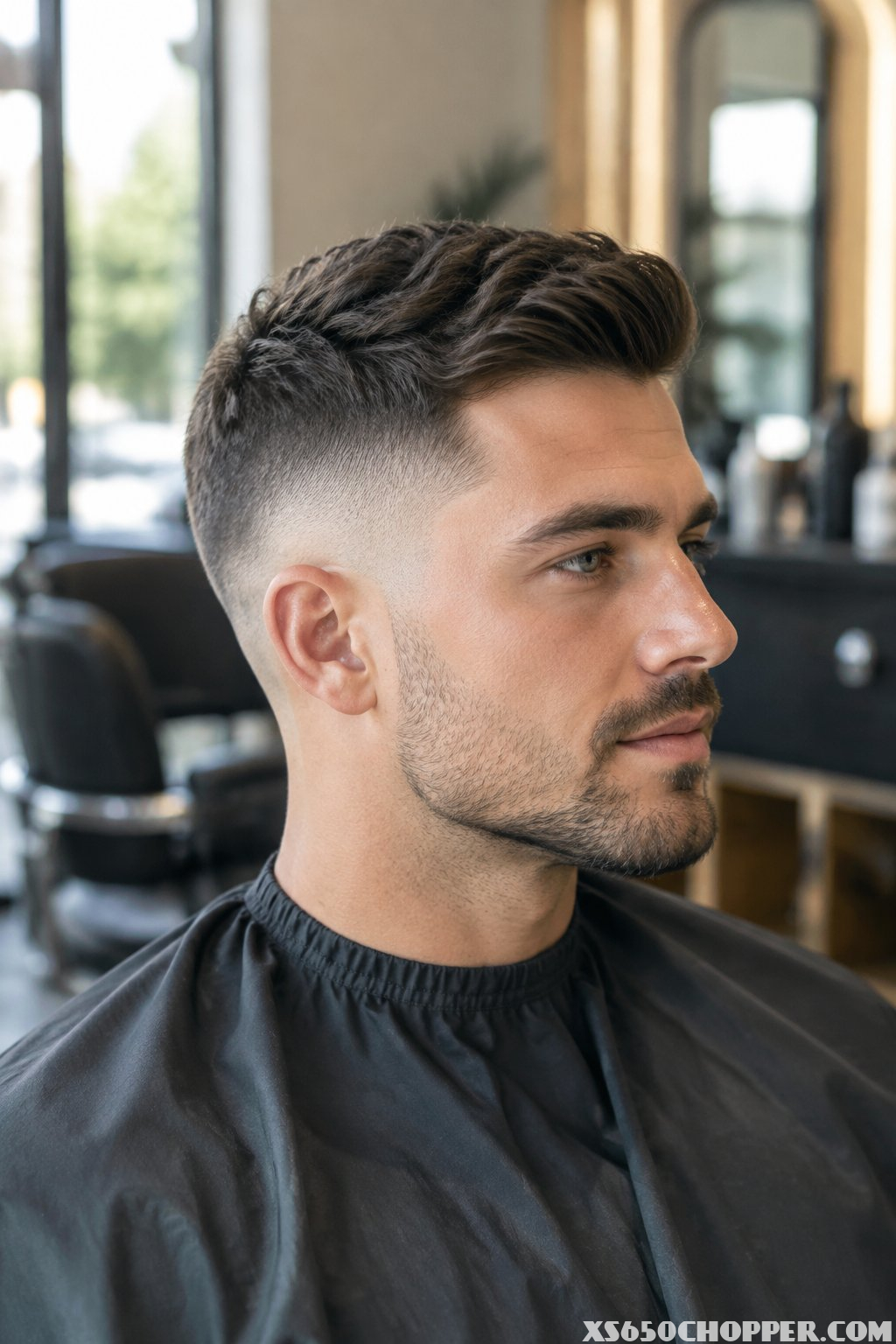
A fade blends the hair from longer lengths into very short hair near the sides and back. You can choose a low, mid, or high fade based on where you want the transition to begin.
Tell your barber how high you want the blend and whether you want the skin visible at the bottom. The top can be cut in many ways, so name that style separately if you have a particular shape in mind.
PRO TIP
Use a reference photo to show the fade height and finish you want, then describe how short you’re comfortable going at the base.
7) The Undercut
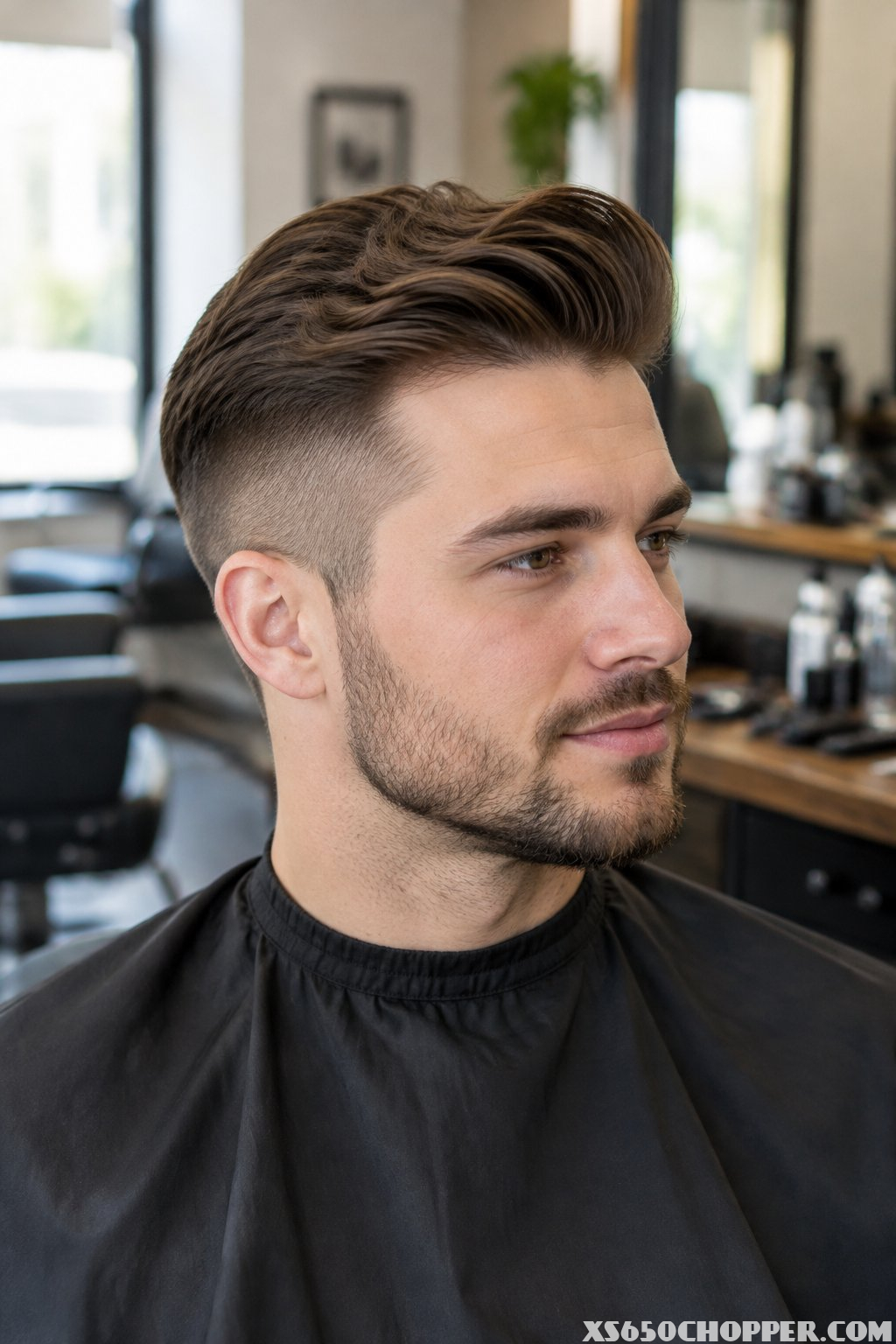
An undercut keeps the sides and back short with a more distinct separation from the longer hair on top. You get contrast that makes the top stand out, whether you wear it loose, swept over, or slicked back.
Tell your barber where you want the short section to begin and how much length you want to preserve above it. The transition can be sharper or softened to suit your preferred finish.
PRO TIP
If you want options for styling, leave enough length on top to move it in more than one direction.
8) The Ivy League
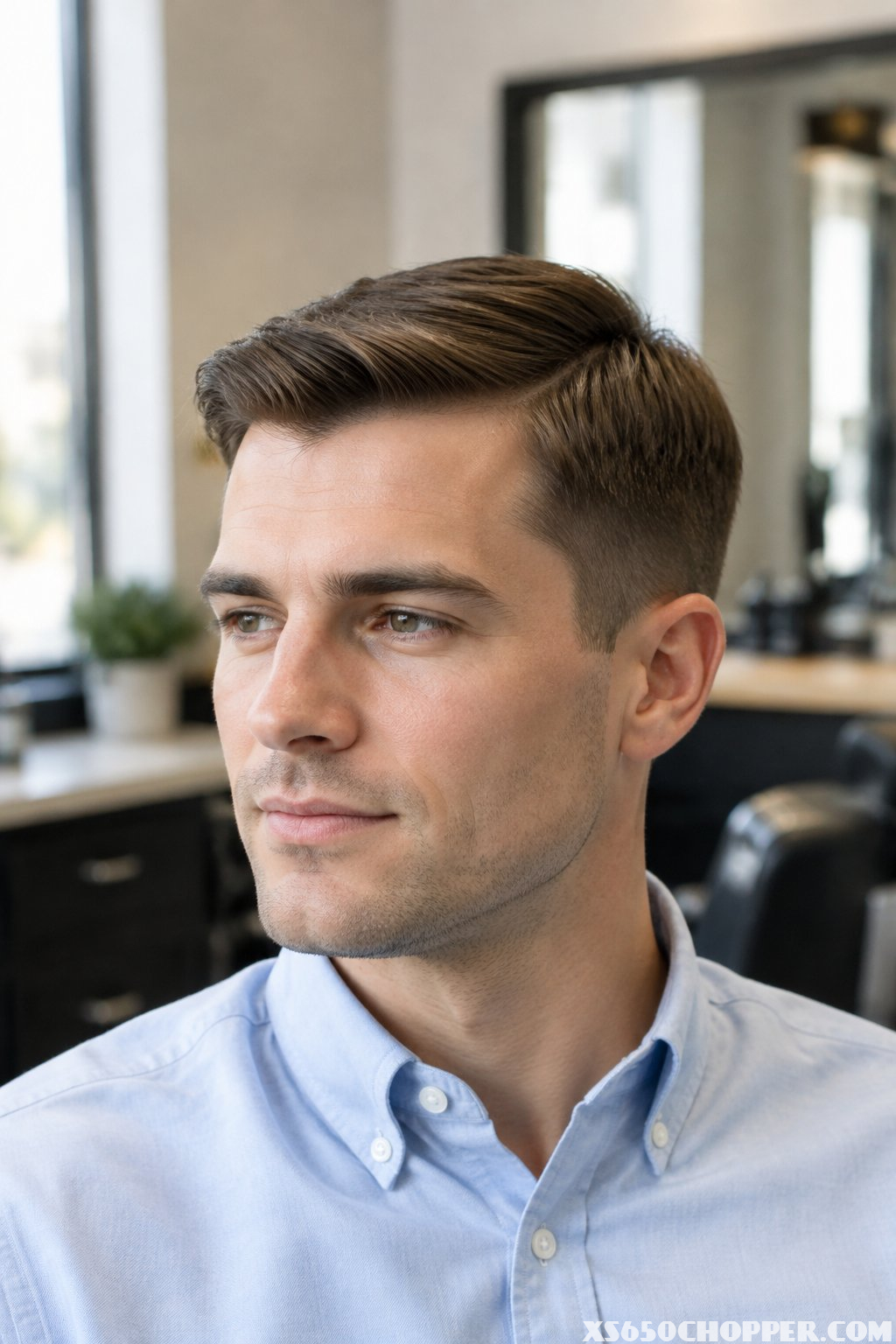
The Ivy League is a neat, short cut with enough length on top to part or brush to the side. You get a polished shape that works for both casual wear and more formal settings.
Your barber can taper the sides and leave the front slightly longer for a side-swept finish. Mention whether you want to style it with a part or keep the top flexible.
PRO TIP
Ask for a little extra length at the front if you want to brush your hair up or across.
9) The Side Part
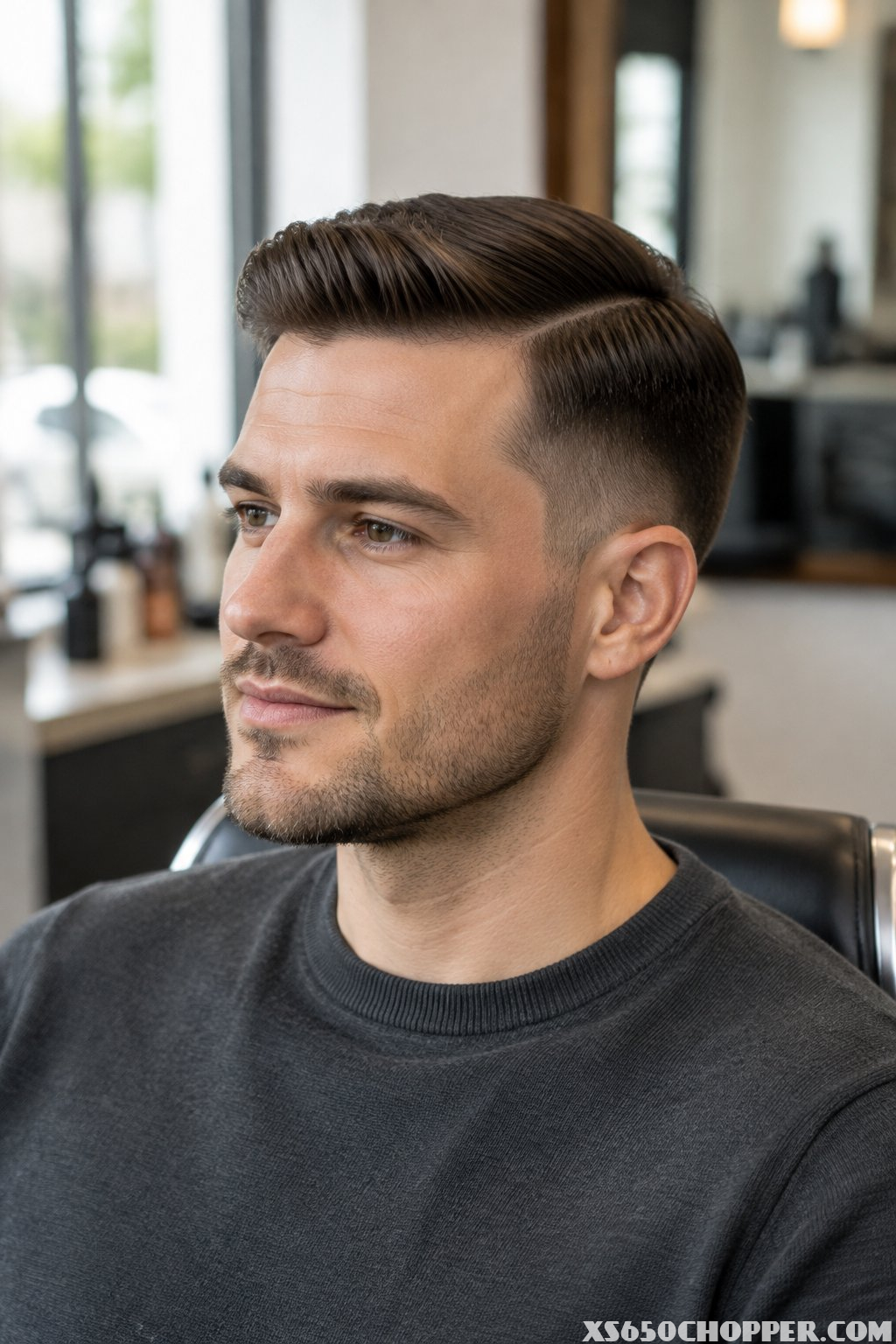
A side part organizes the top around a defined parting, with the sides kept neat to complement it. You can wear the part with a classic taper, a fade, or a longer top.
Show your barber where your natural part sits and how sharply you want it defined. A hard part is shaved in; a natural part is made by combing your hair into place.
PRO TIP
Try a natural part first if you want flexibility to change your styling from day to day.
10) The Quiff
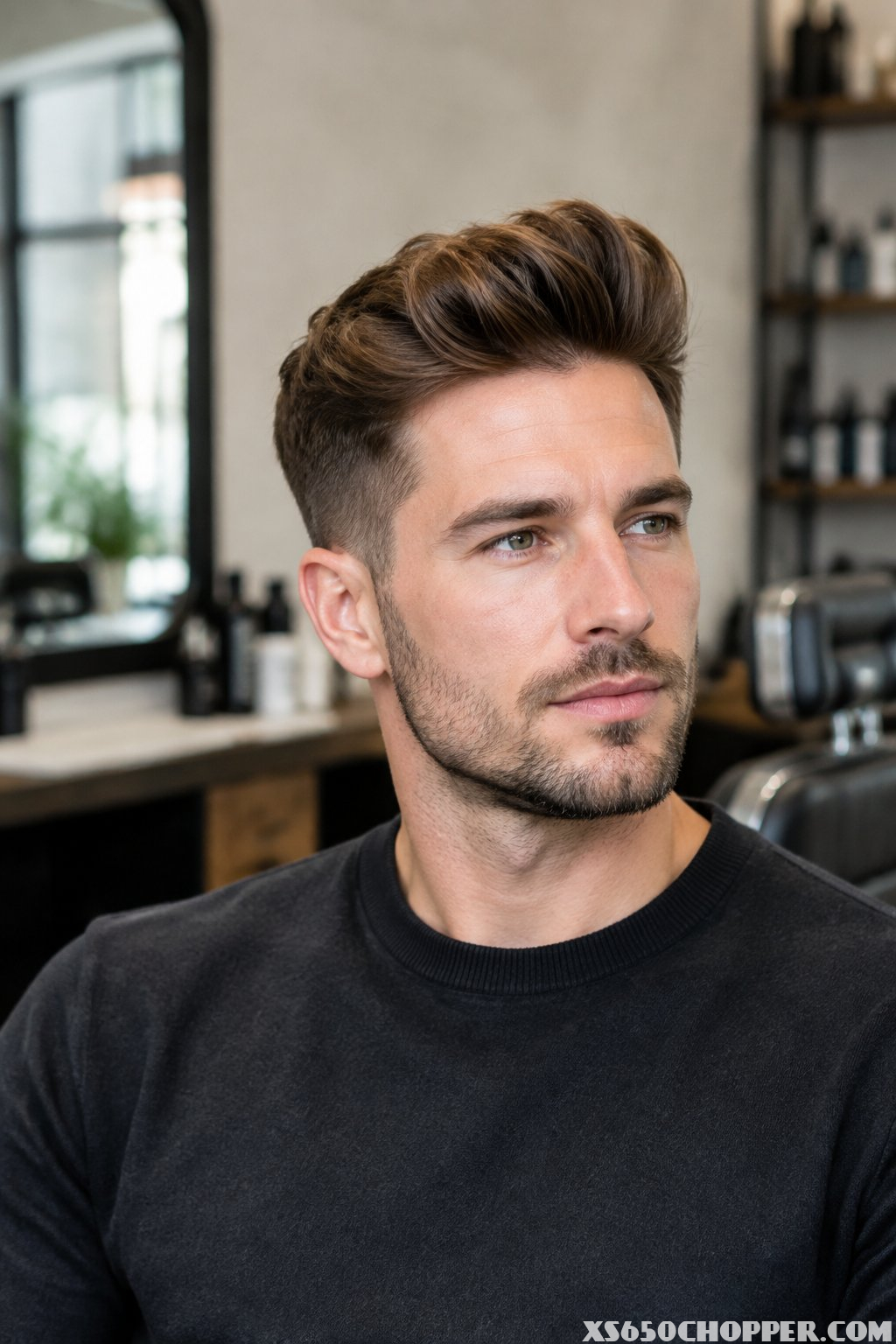
A quiff lifts the hair at the front and sweeps it back or slightly to the side. You’ll need enough length on top to create height, while shorter sides keep the shape clear.
Your styling routine will shape the finish: a blow-dryer adds lift, and a small amount of product helps hold it. Tell your barber how much height you want and how much time you plan to spend styling.
PRO TIP
Ask for texture through the top if you want a lighter quiff that moves easily.
11) The Pompadour
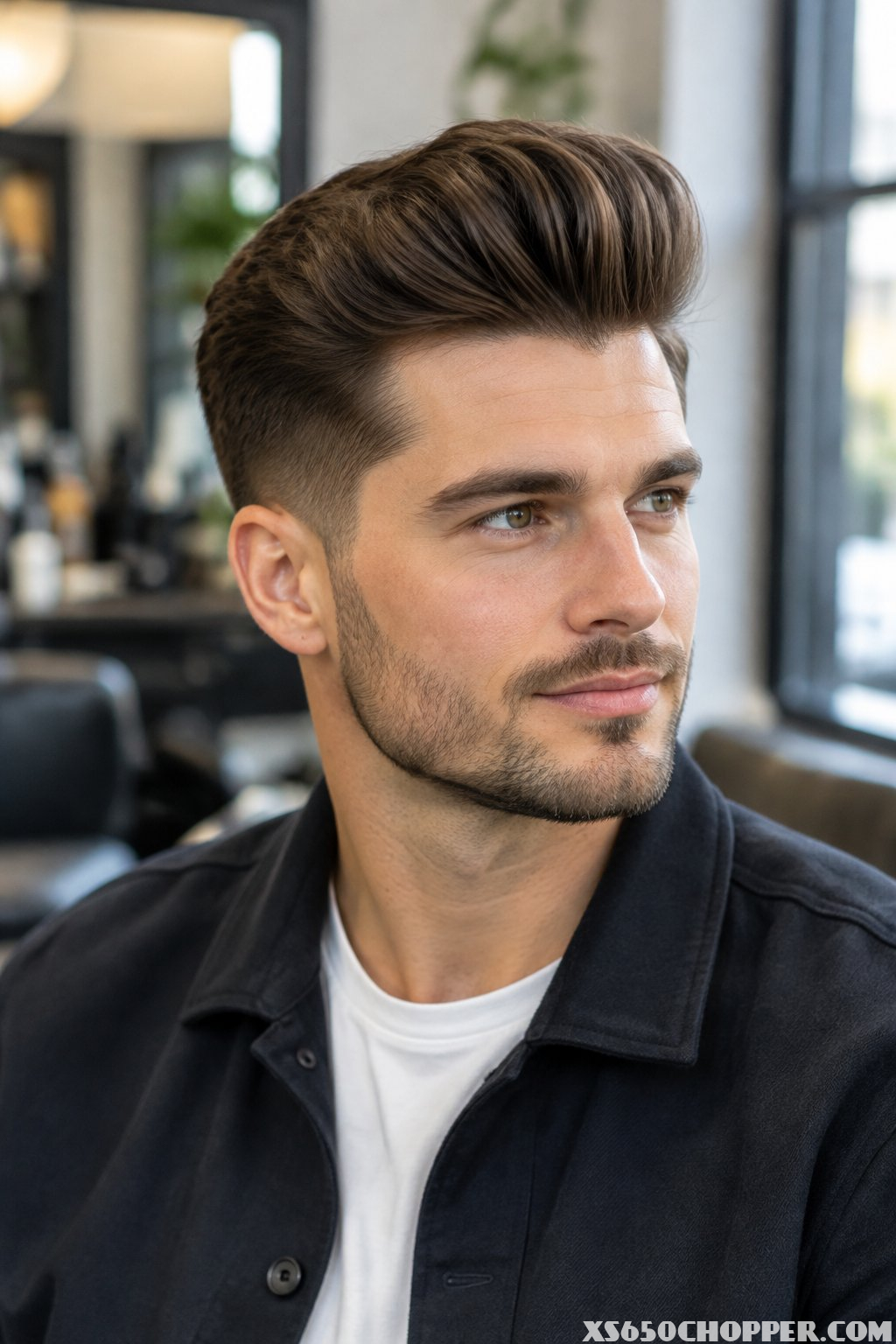
A pompadour sweeps the front and top hair up and back, creating a prominent, rounded shape. You need enough length on top to build the lift, along with styling time to shape and hold it.
The sides can be tapered or cut shorter for stronger contrast. Tell your barber how much volume you want at the front and whether you prefer a smooth or textured finish.
PRO TIP
Bring a photo showing the profile you like, since the height and curve of a pompadour can vary considerably.
12) The Textured Crop
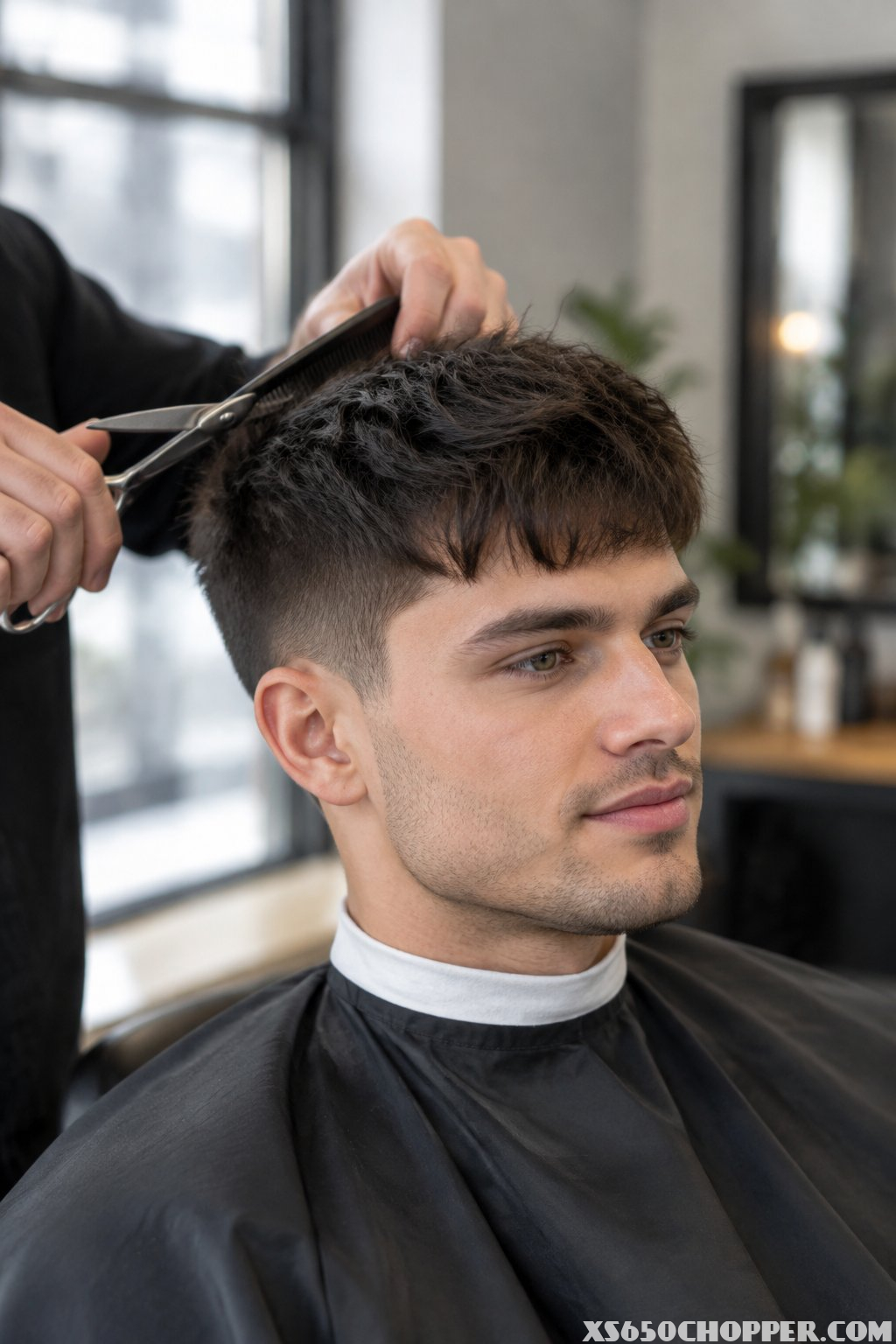
A textured crop keeps the top short to medium in length and adds separation through the hair for a piecey finish. You can wear it forward with a fringe or style the top loosely in another direction.
Ask your barber to create texture that suits your hair’s density and natural movement. A small amount of matte product can help define the pieces without making the top look slick.
PRO TIP
Say whether you want a visible fringe, since that detail changes the crop’s outline from the front.
13) The Slick Back
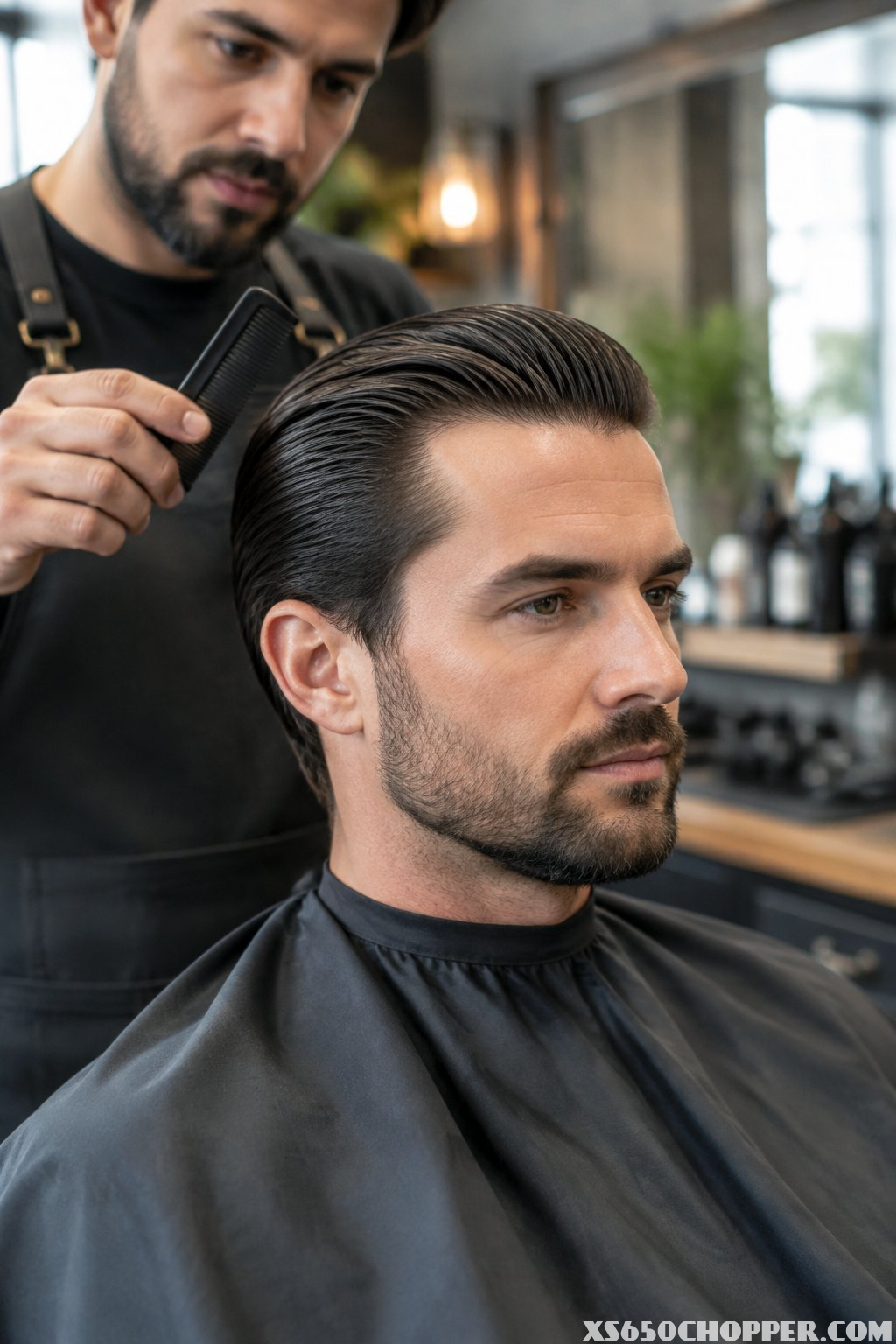
A slick back is shaped by combing the top hair away from your face. You can wear it close and polished or with more volume and texture, depending on the cut and product you use.
Tell your barber how much length you want to keep on top and how short you prefer the sides. A smooth finish needs enough length to stay directed back, while a textured version can work with a looser shape.
PRO TIP
Ask your barber to leave the front long enough to sweep back without pulling it tightly against your scalp.
14) The Mullet
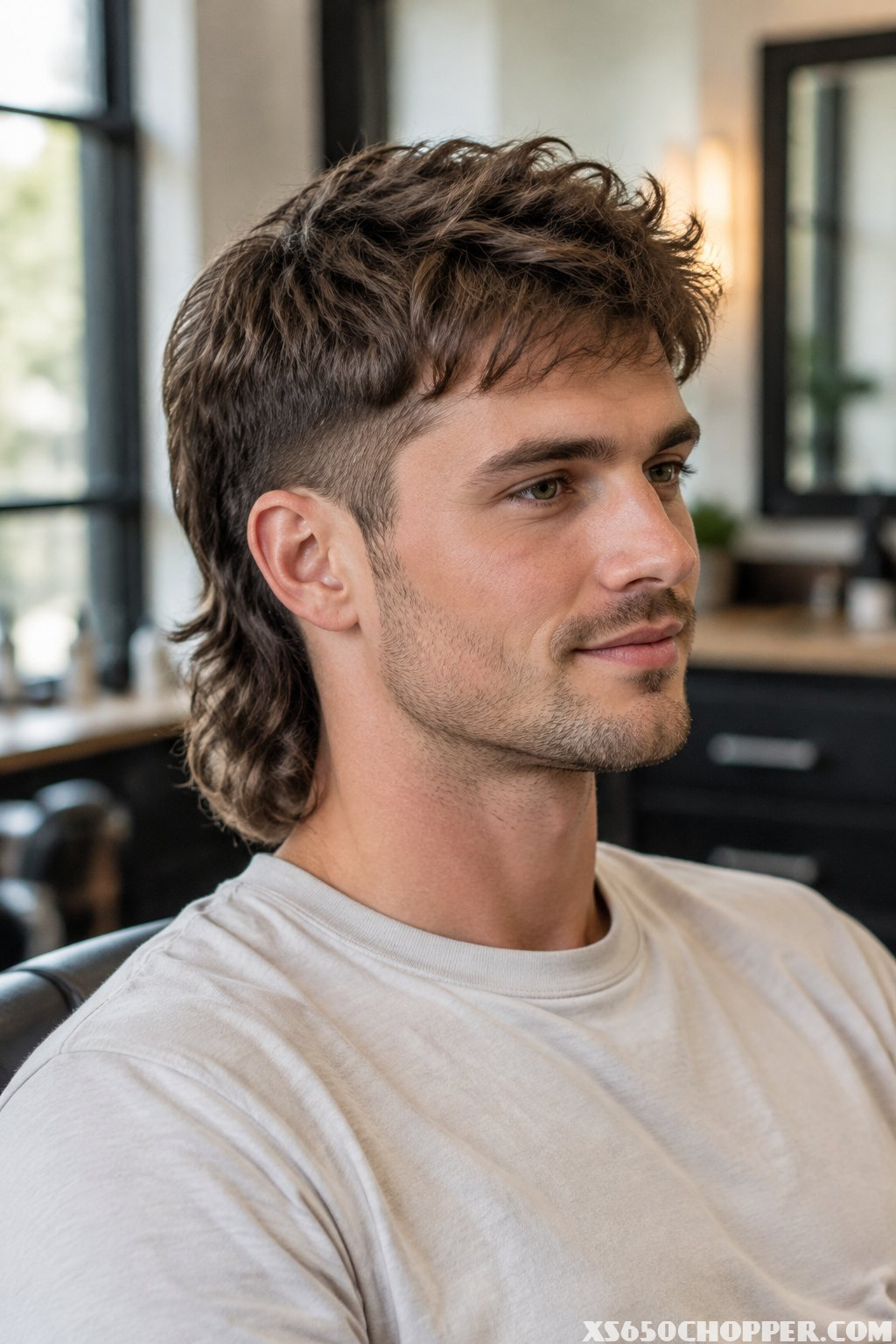
A mullet keeps more length at the back, with shorter hair around the top and sides. You can choose a subtle shape with blended transitions or a more defined contrast.
Be specific about the back length and how you want the sides connected to the top. Texture and fringe length also influence whether the result feels soft, sharp, or strongly retro.
PRO TIP
Ask your barber to check the shape from the side and back as the cut develops, since those angles define the mullet.
15) The Faux Hawk
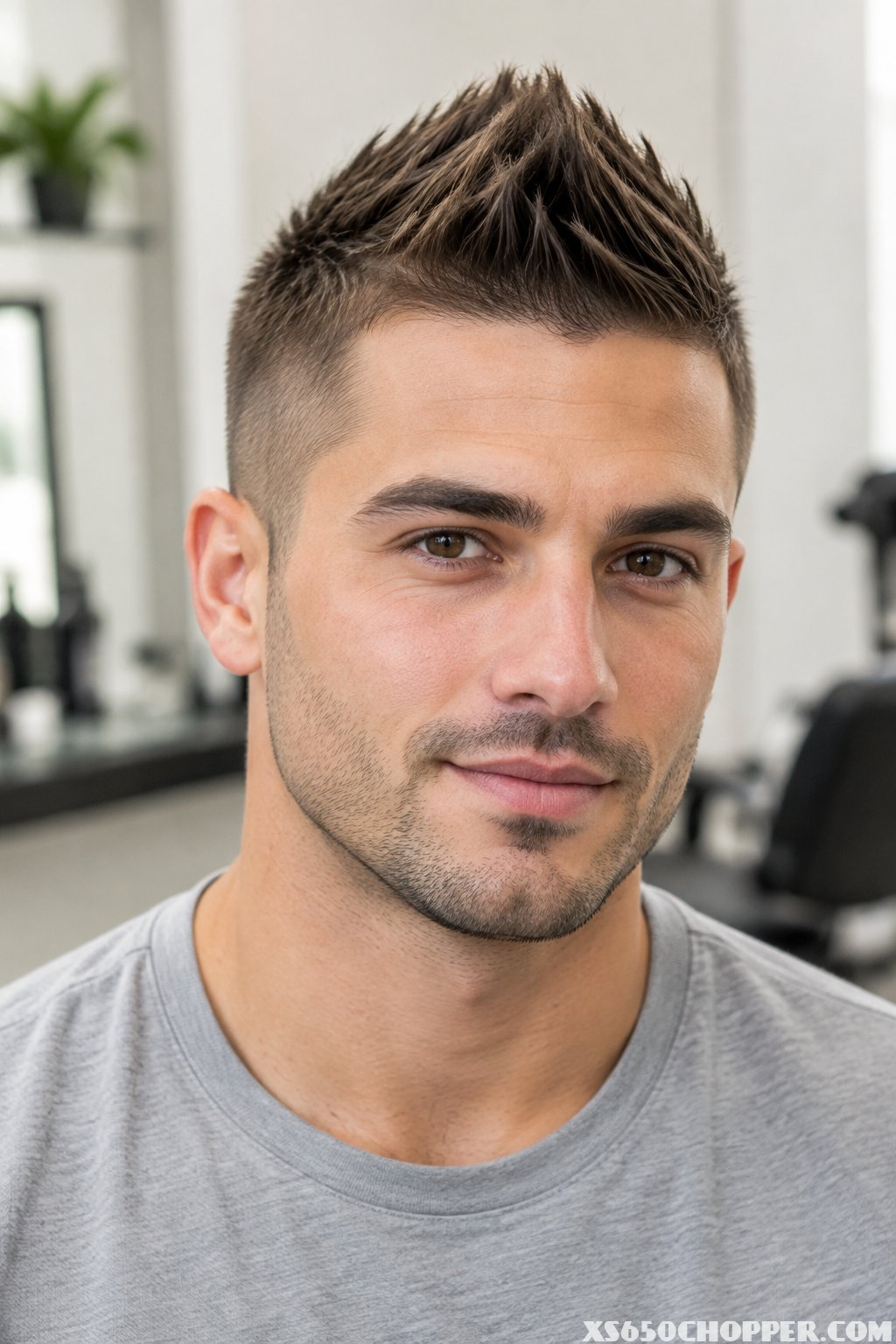
A faux hawk brings the hair toward the center of the head while keeping the sides shorter. You get a focused strip of height that can be styled boldly or kept low and subtle.
Tell your barber how much contrast you want between the center and sides. The top needs enough length to stand up or sweep inward, while a textured finish gives you a softer outline.
PRO TIP
Ask for a lower, textured center if you want the shape to sit close to your head on low-styling days.
How to Choose a Haircut
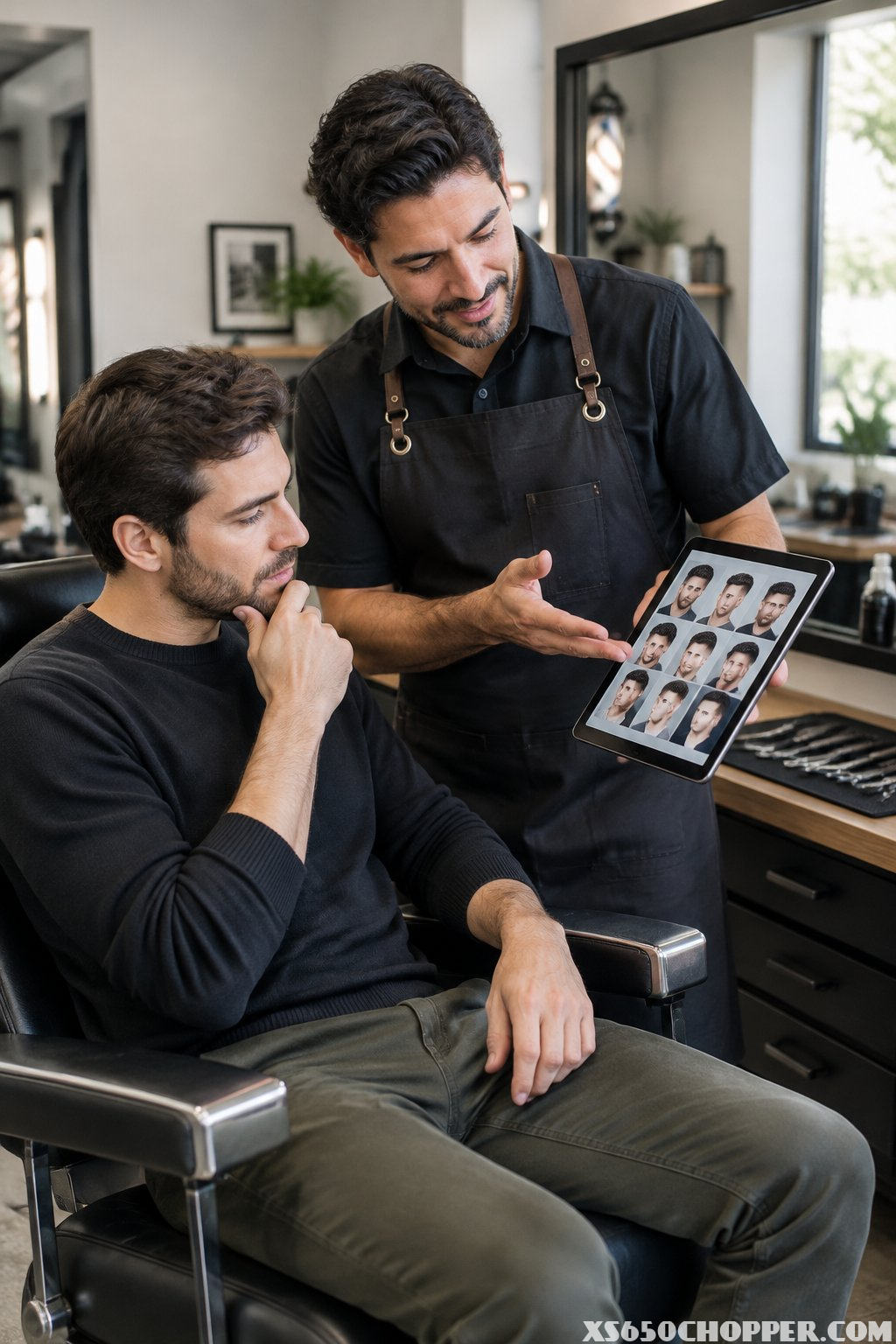
Choose a haircut that works with your hair’s natural behavior and the time you want to spend styling it.
Which cuts work with your face shape and hair texture?
Your face shape and hair texture help determine which proportions will feel balanced. A textured crop works with straight or wavy hair, while a quiff or pompadour needs enough length and hold to build height. Ask your barber how your hair’s growth pattern will affect the outline, especially at the crown and hairline.
How much styling and upkeep are you comfortable with?
A buzz cut and crew cut keep daily styling brief, while a quiff or pompadour takes more effort to shape. A fade needs regular cleanup to preserve its crisp blend; a longer taper grows out with a softer outline. Tell your barber how often you want to return for maintenance.
How to Ask Your Barber for the Cut You Want
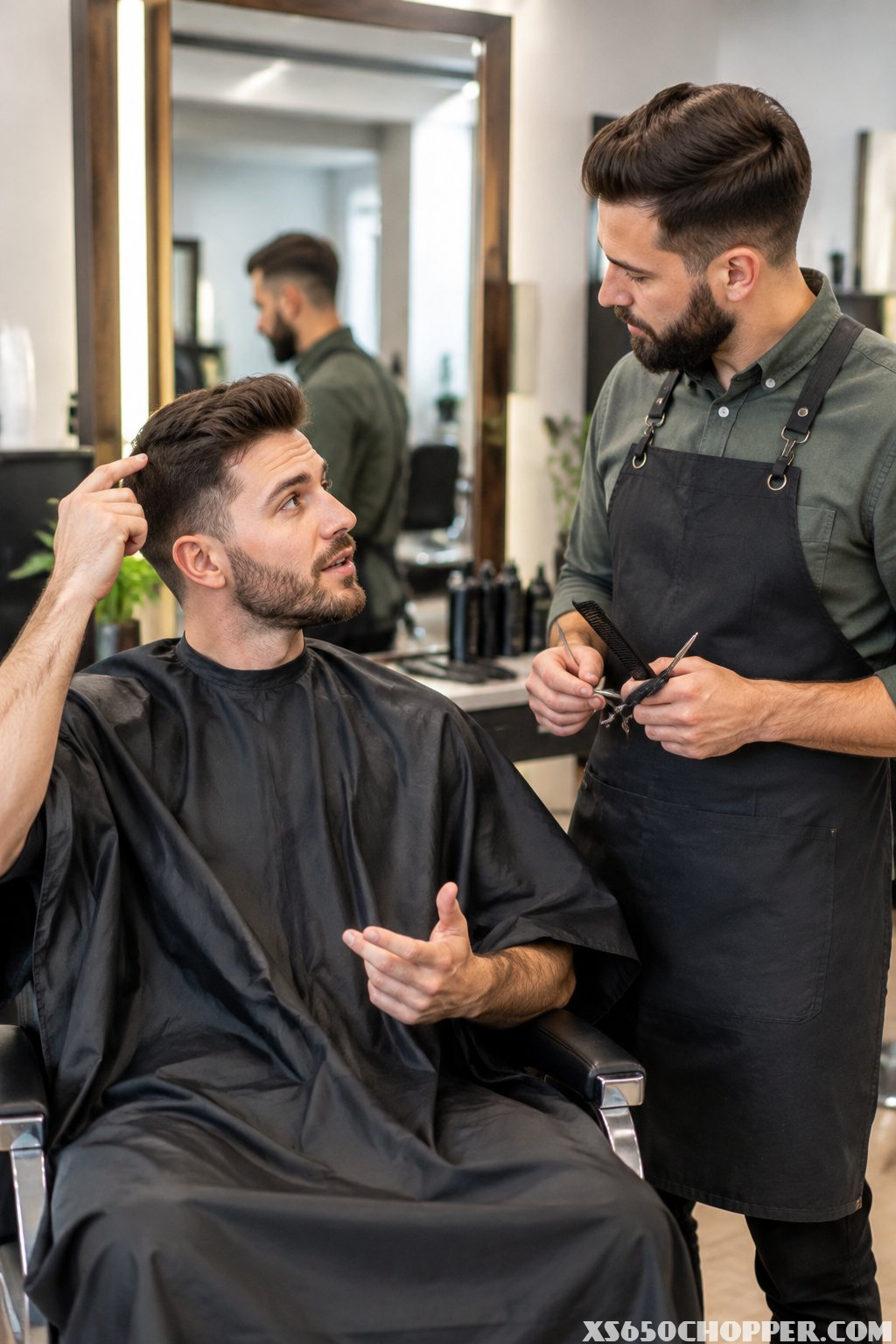
Describe the haircut’s length and shape in specific terms, then confirm the details with your barber before the clippers or shears come out.
Which details should you specify about the top, sides, and neckline?
Explain how much length you want left on top and how you plan to wear it. For the sides, name a taper or fade and point out where you want the transition to start. You can also specify a natural, squared, or rounded neckline and say whether you want the hairline edged sharply.
Why bring a reference photo to your appointment?
A reference photo gives you and your barber a shared example of the cut’s proportions and finish. Bring a photo that shows the top and sides clearly, then point out the detail you want to match, such as the fringe length or fade height. Your barber can adapt that shape to your hair and head.