You create a convincing scavenger look by starting with a fitted base and adding progressively rougher, useful-looking layers. Each piece should add texture, protection, or a place to carry gear, so the outfit reads as practical instead of costume-like.
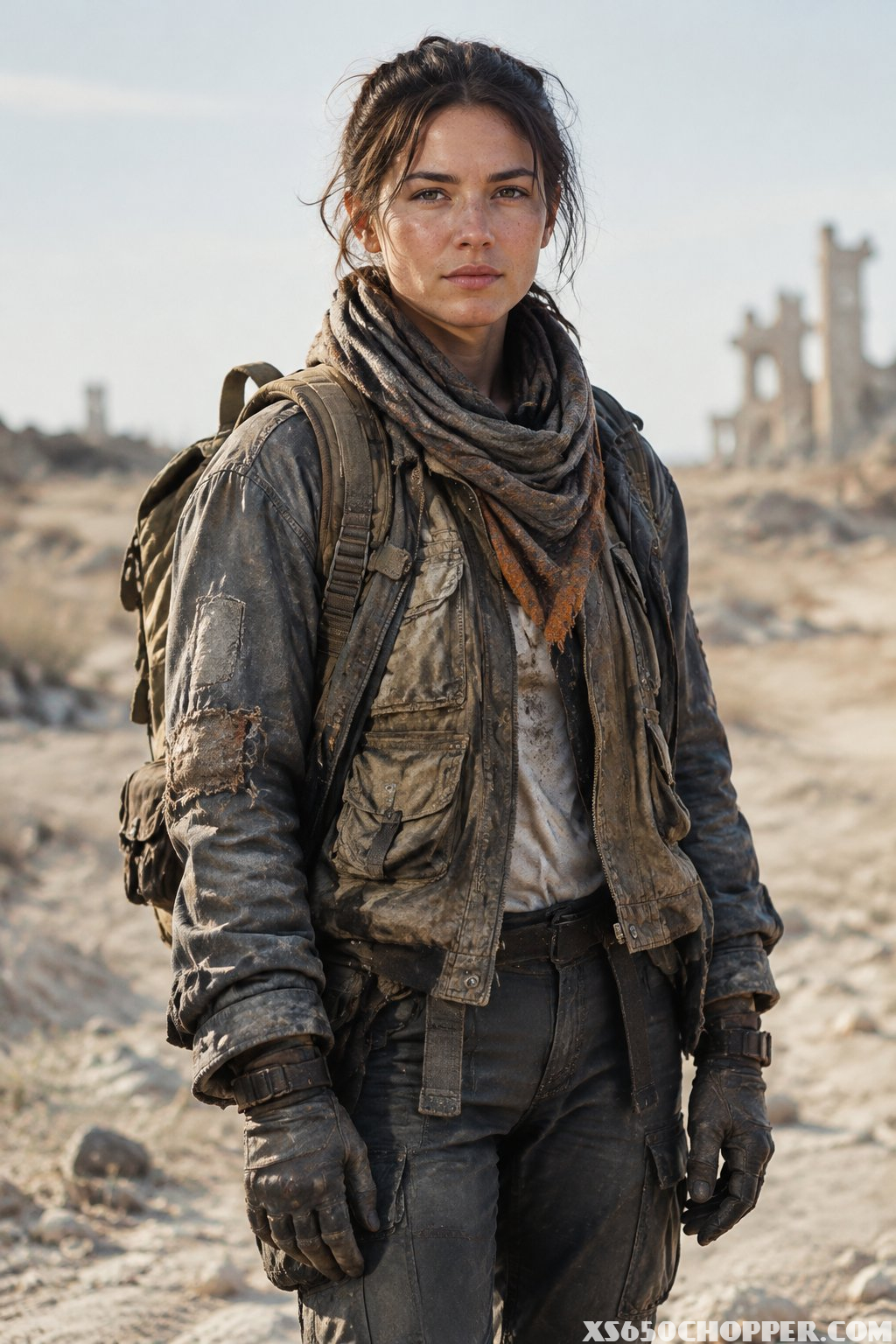
Use worn fabrics, visible repairs, and restrained colors to make your layers feel collected over time. Keep the pieces easy to move in, especially if you plan to wear the look for hours.
1) Anchor the Look With a Fitted Wasteland Survivor Undersuit
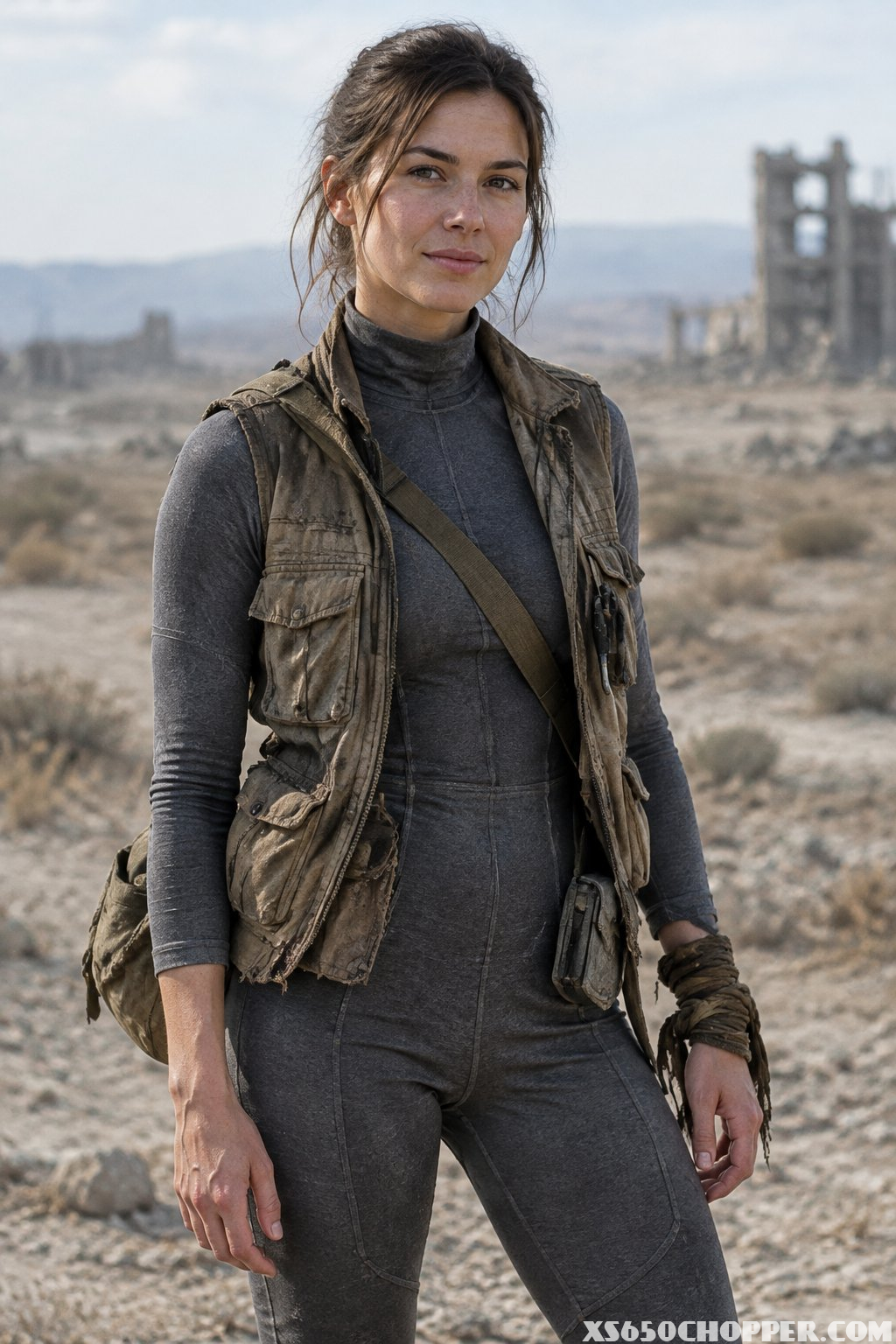
A fitted undersuit gives you a clean foundation for heavier layers. Choose a dark long-sleeved shirt and close-fitting pants in cotton, jersey, or a flexible performance fabric; the streamlined base keeps your outline visible beneath a vest or jacket.
Pick a matte, faded color such as charcoal, brown, or dusty olive. A small patch or worn seam adds character while keeping the base layer easy to combine with other pieces.
PRO TIP
Tuck the shirt into your pants before adding the belt. This keeps the fabric from bunching beneath your waist gear.
2) Add a Faded Work Shirt Over the Base Layer
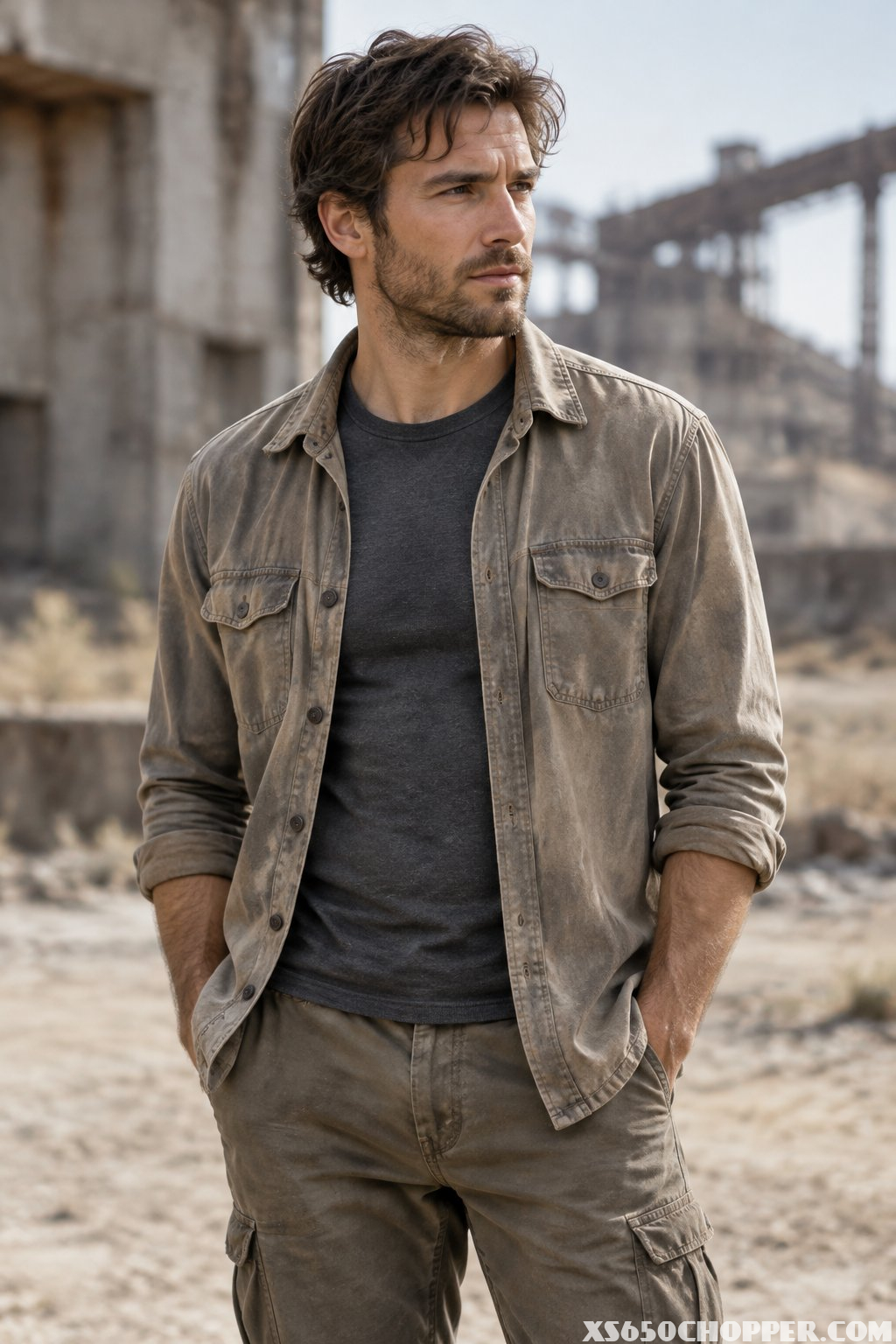
A faded work shirt adds color and surface texture without much bulk. Wear it open over your undersuit, or fasten a few buttons to create a broken-up front with visible layers.
Look for softened cotton, chambray, or flannel in sun-washed shades. Roll the cuffs unevenly and add a repair patch at an elbow or pocket to suggest practical wear.
PRO TIP
Leave enough room through the shoulders for your vest to sit smoothly over the shirt. Check your arm movement with both layers on.
3) Build the Silhouette With a Salvaged Utility Vest
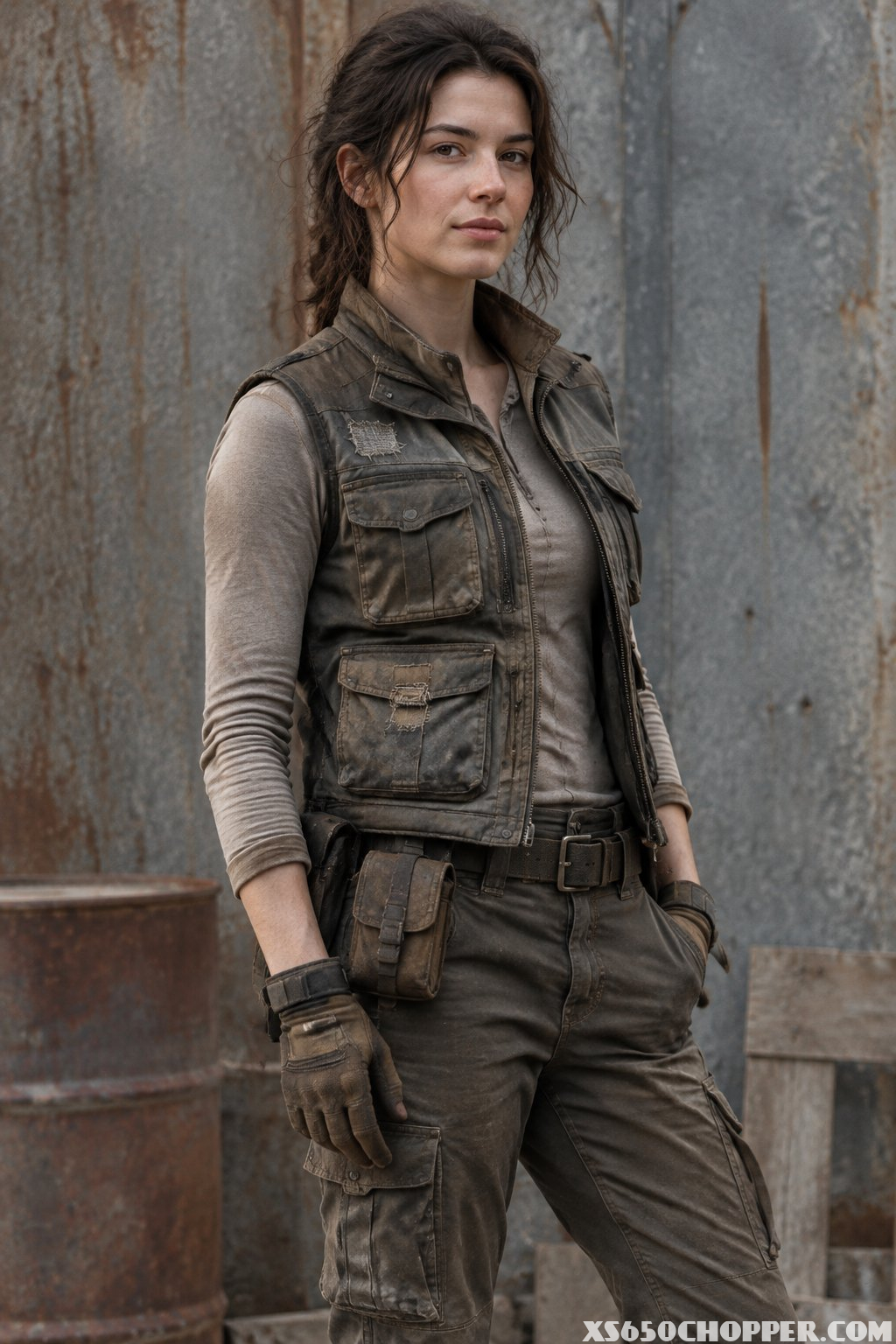
A utility vest gives your scavenger outfit its strongest working silhouette. Choose canvas, denim, or worn leather with pockets that sit close to your torso and add visible structure.
Mix pocket sizes and hardware finishes for a salvaged feel. Keep the vest fitted enough to show your waistline, and reserve its pockets for lightweight props or real essentials you can reach comfortably.
PRO TIP
Place heavier items near the center of your body. This helps the vest hang evenly and keeps the pockets from swinging as you walk.
4) Top It With a Weathered Duster or Field Jacket
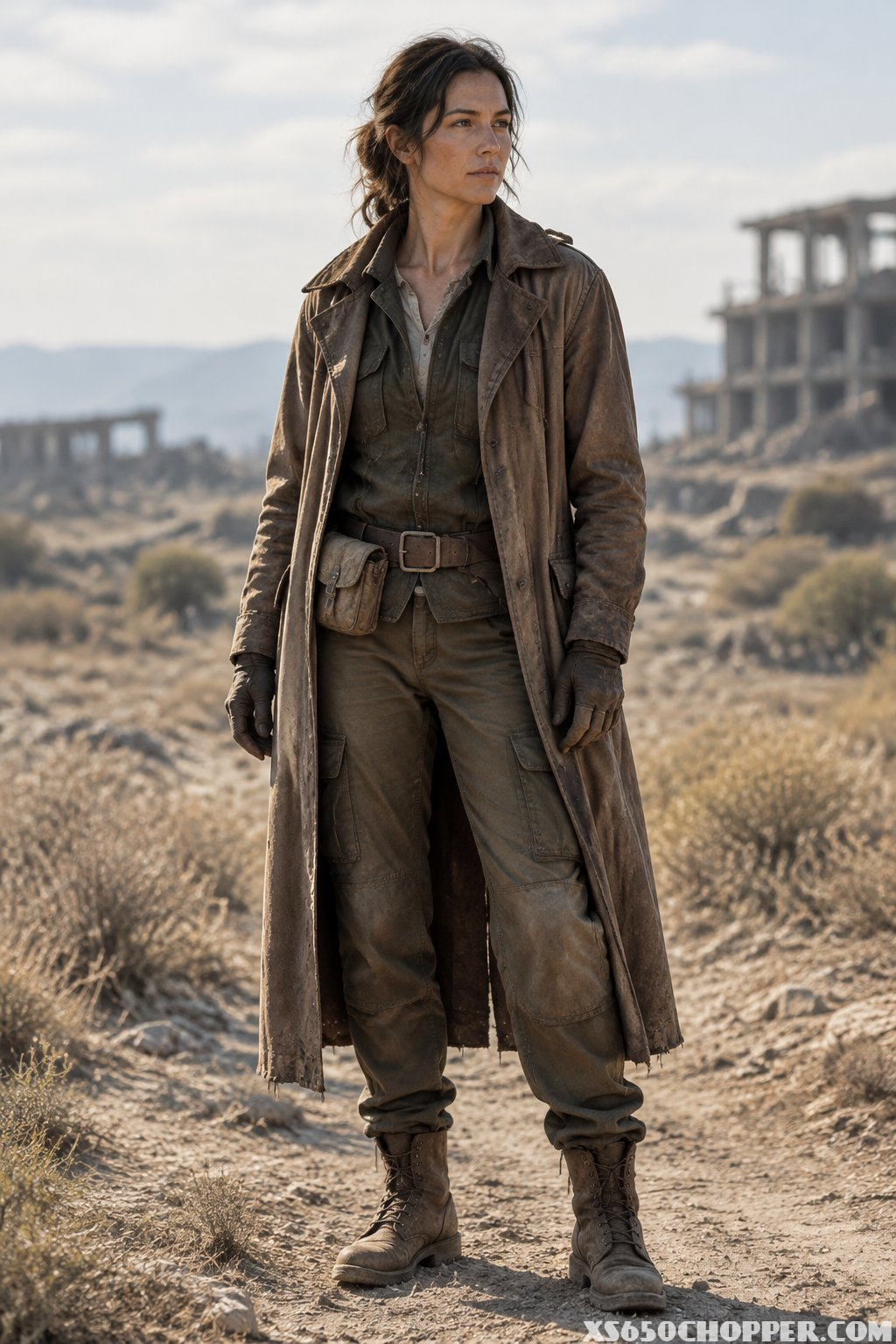
A weathered duster or field jacket adds a final layer of shape and protection. Choose a cut that falls around the knee for a dramatic drape, or a waist-length jacket for easier movement.
Look for faded fabric, rubbed edges, and restrained details such as broad lapels or simple closures. Keep the outer layer light enough to open or remove when the temperature rises.
PRO TIP
Try the jacket over every layer before distressing it. Mark the places where your vest or belt rubs, then add wear in those high-contact spots.
5) Wrap the Neck With a Frayed Cowl or Scarf
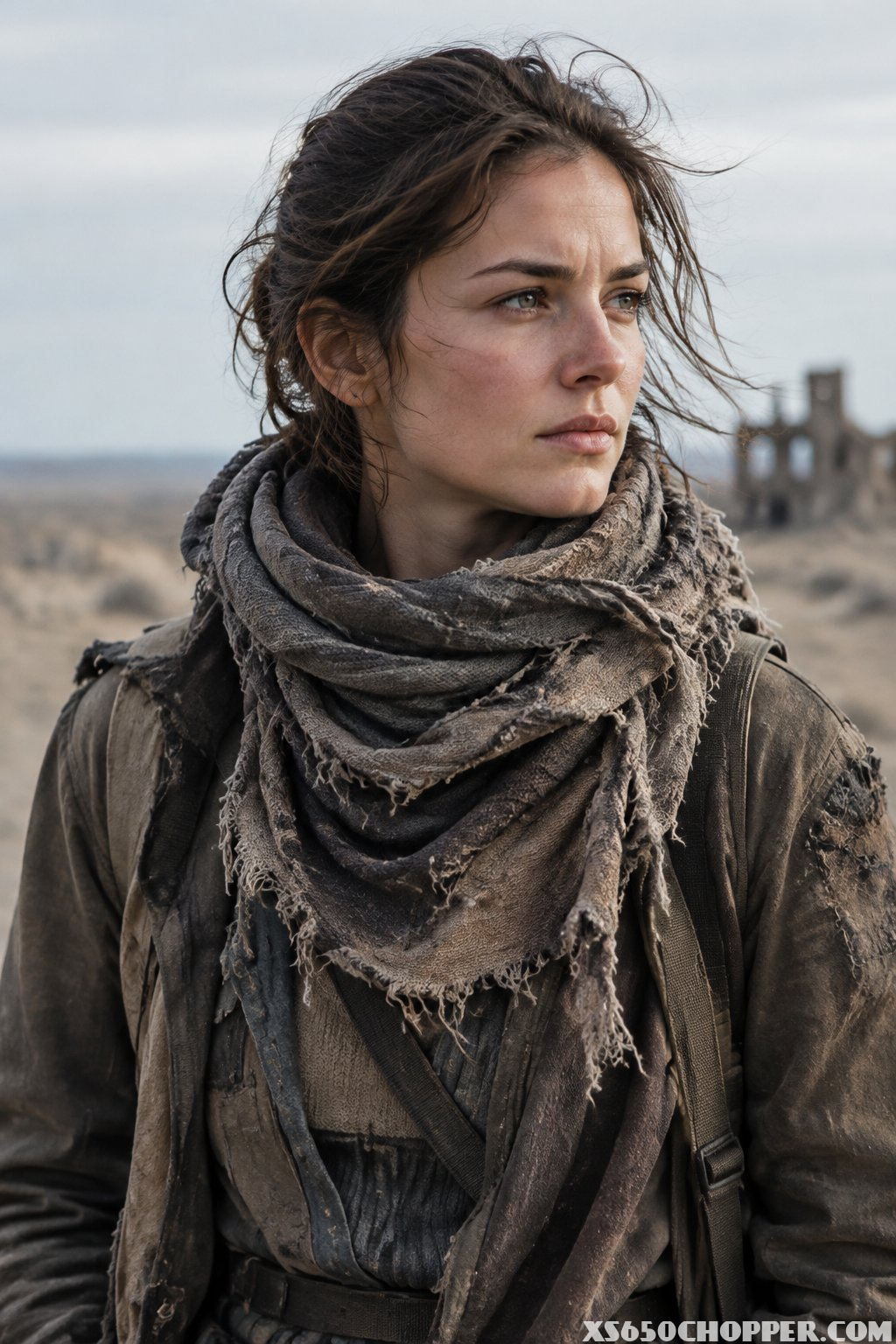
A cowl or scarf frames your face and softens the transition between shirt and outerwear. Use lightweight cotton, gauze, or a worn knit that folds comfortably without crowding your collar.
Choose a muted tone that stands apart from your jacket by a shade or two. Frayed edges and uneven folds create a used look while keeping the accessory easy to adjust.
PRO TIP
Secure the scarf with a discreet pin or hidden snap if you’ll be walking through crowds. Keep the fabric clear of buckles and loose straps.
6) Hang Pouches From a Canvas Belt
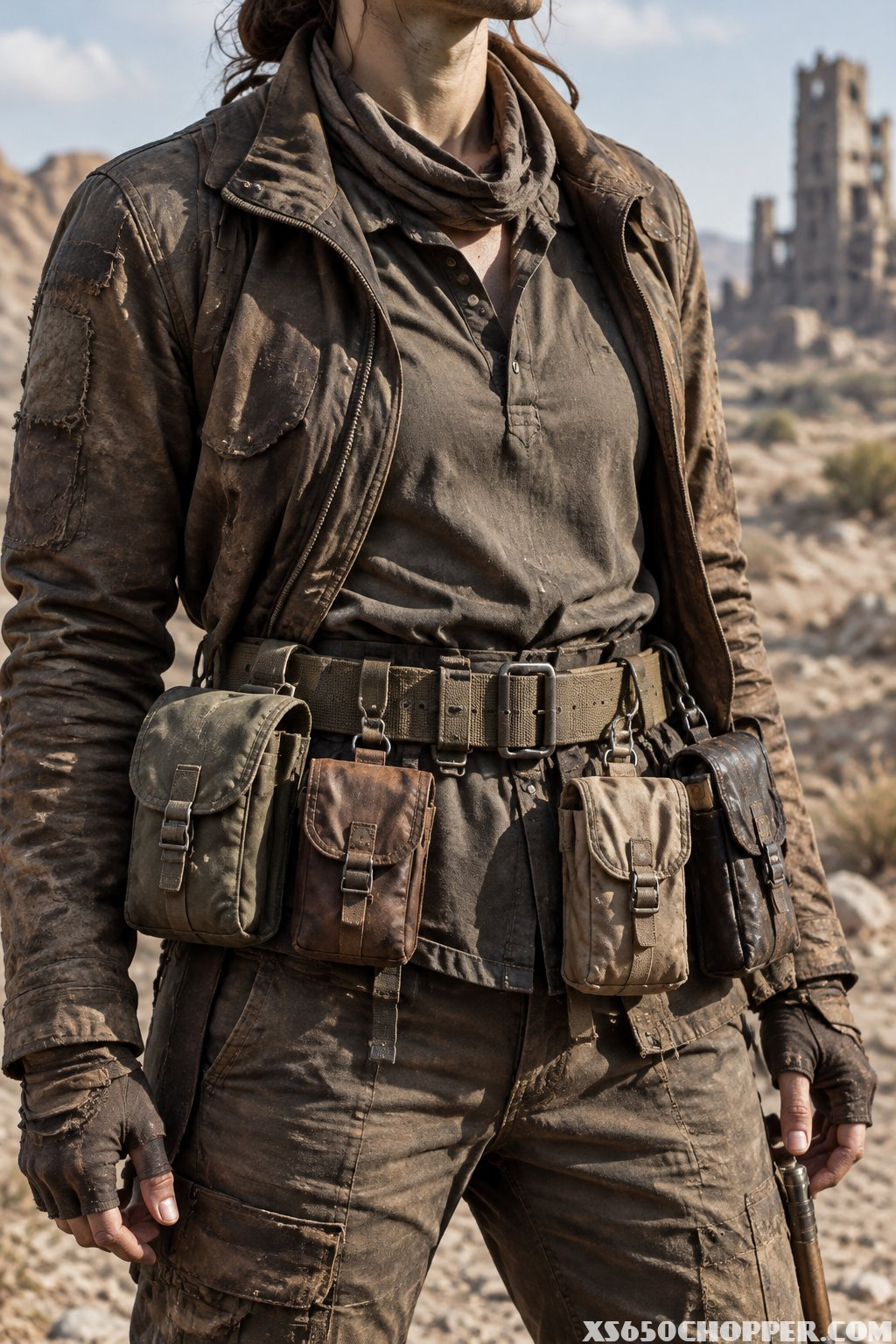
A canvas belt gives you a practical-looking anchor for pouches and small accessories. Choose a broad, sturdy belt that sits comfortably at your waist and works with the loops on your trousers.
Add a few pouches in varied shapes or materials, such as canvas and worn leather. Keep them light and distribute them around your hips so the belt sits level and your hands can reach the closures.
PRO TIP
Test the belt while sitting and walking. Adjust the pouch positions until they stay in place and clear your jacket hem.
7) Use Mismatched Knee and Elbow Pads
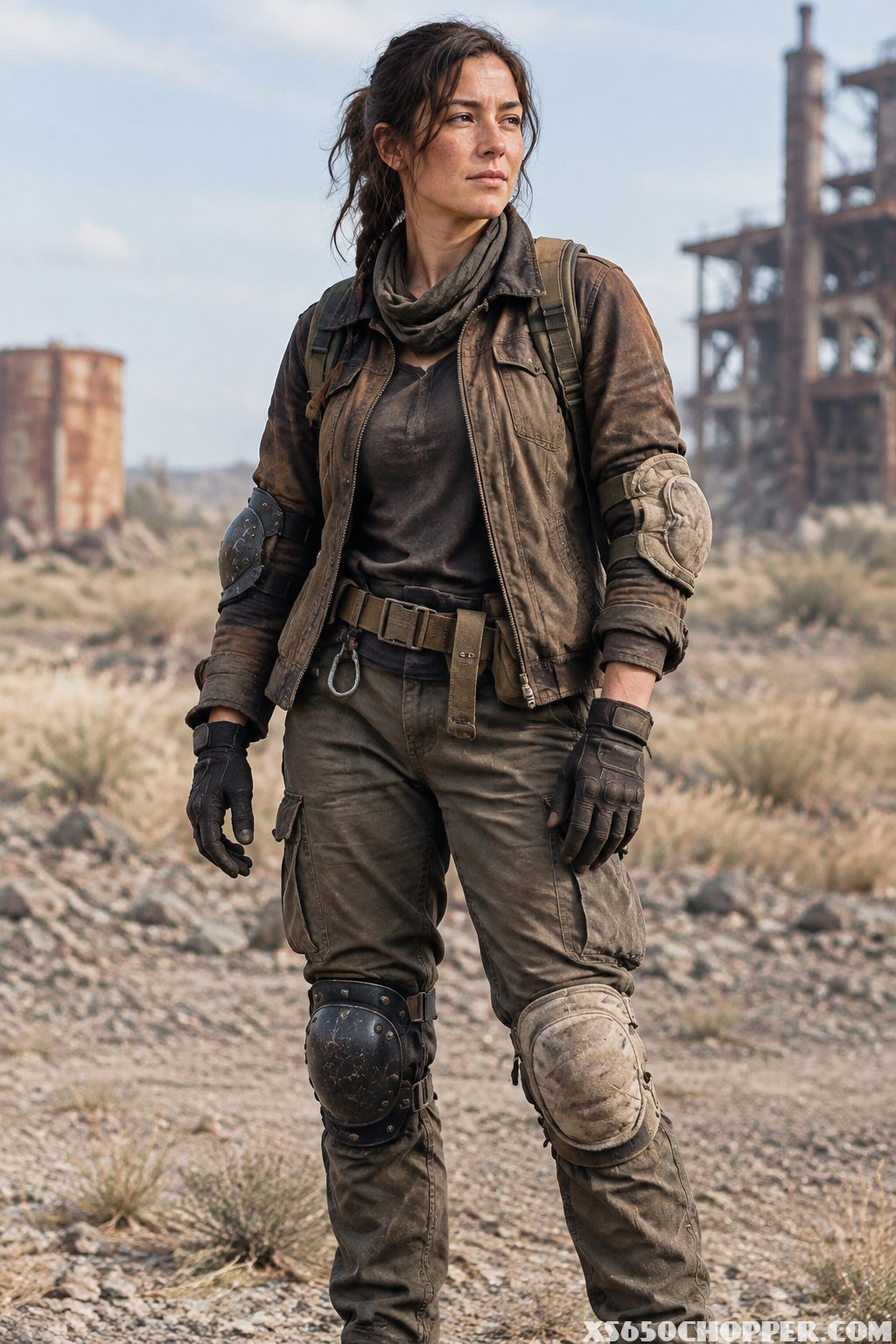
Mismatched pads make your outfit look repaired from available gear. Combine different colors or shapes, then balance their visual weight by repeating one material or shade elsewhere in your layers.
Choose flexible pads with secure straps or attach costume-safe versions over your sleeves and trousers. Keep the fit comfortable through a full bend of your knees and elbows.
PRO TIP
Wear the pads over the clothing you plan to use. Position them while kneeling and reaching so they stay centered when you move.
8) Finish the Hands and Feet With Work Gloves and Sturdy Boots
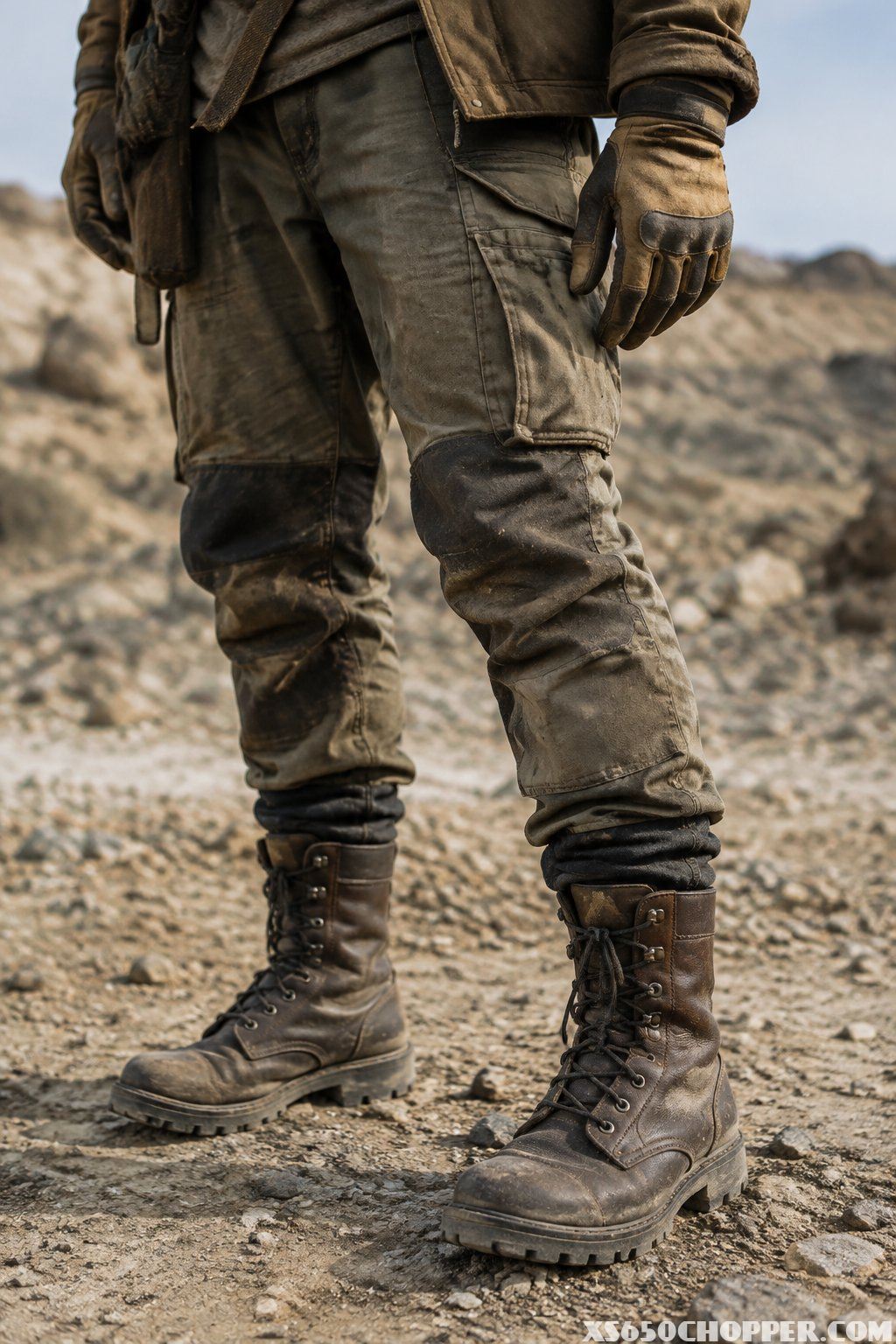
Work gloves and sturdy boots ground your outfit in a functional finish. Choose gloves with flexible fingers and boots with a secure fit, comfortable insoles, and soles suited to the surfaces you’ll cross.
Tuck or cuff your trousers so they meet the boots cleanly. Scuffed finishes and dust-toned colors tie the accessories into the rest of your clothing.
PRO TIP
Break in your boots before an event and check that your gloves let you handle zippers, phone screens, and costume fasteners.
9) Add a Respirator or Goggles as the Final Outer Layer
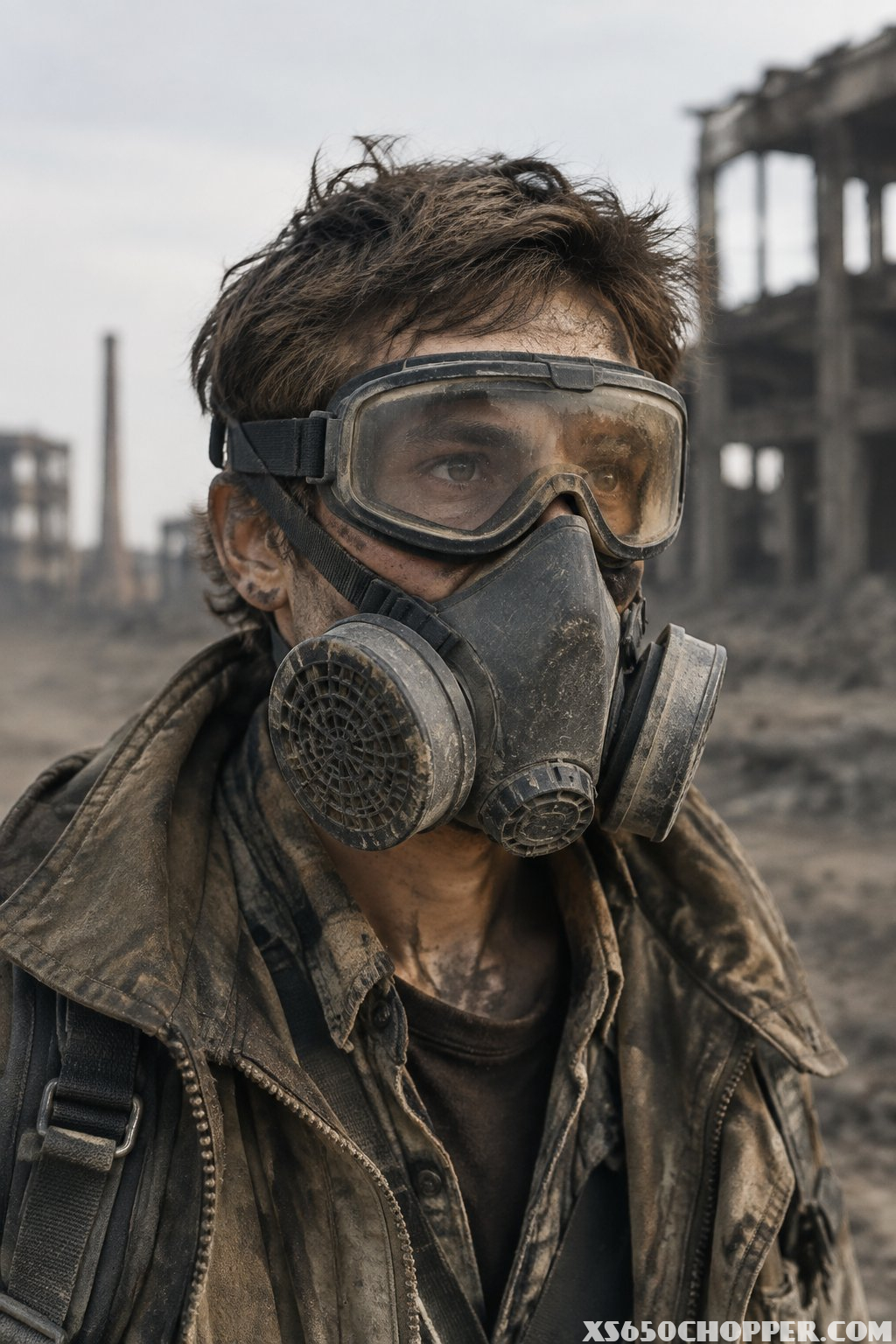
A respirator or goggles add a clear finishing detail around your face. Choose lightweight costume pieces with straps that fit over your other layers and leave your vision and breathing unobstructed.
For an event, treat decorative gear as costume props. Use certified protective equipment for any real dust, fumes, or hazardous work, and check venue rules before bringing masks or replica items.
PRO TIP
Wear the goggles and mask together for a short movement check. Confirm that the straps stay put and your view remains clear.
How to Choose Layers for a Convincing Scavenger Look
Choose layers that show believable wear, preserve your shape, and suit how you’ll use the outfit. Start with a fabric and color palette, then add each piece where it contributes texture or function.
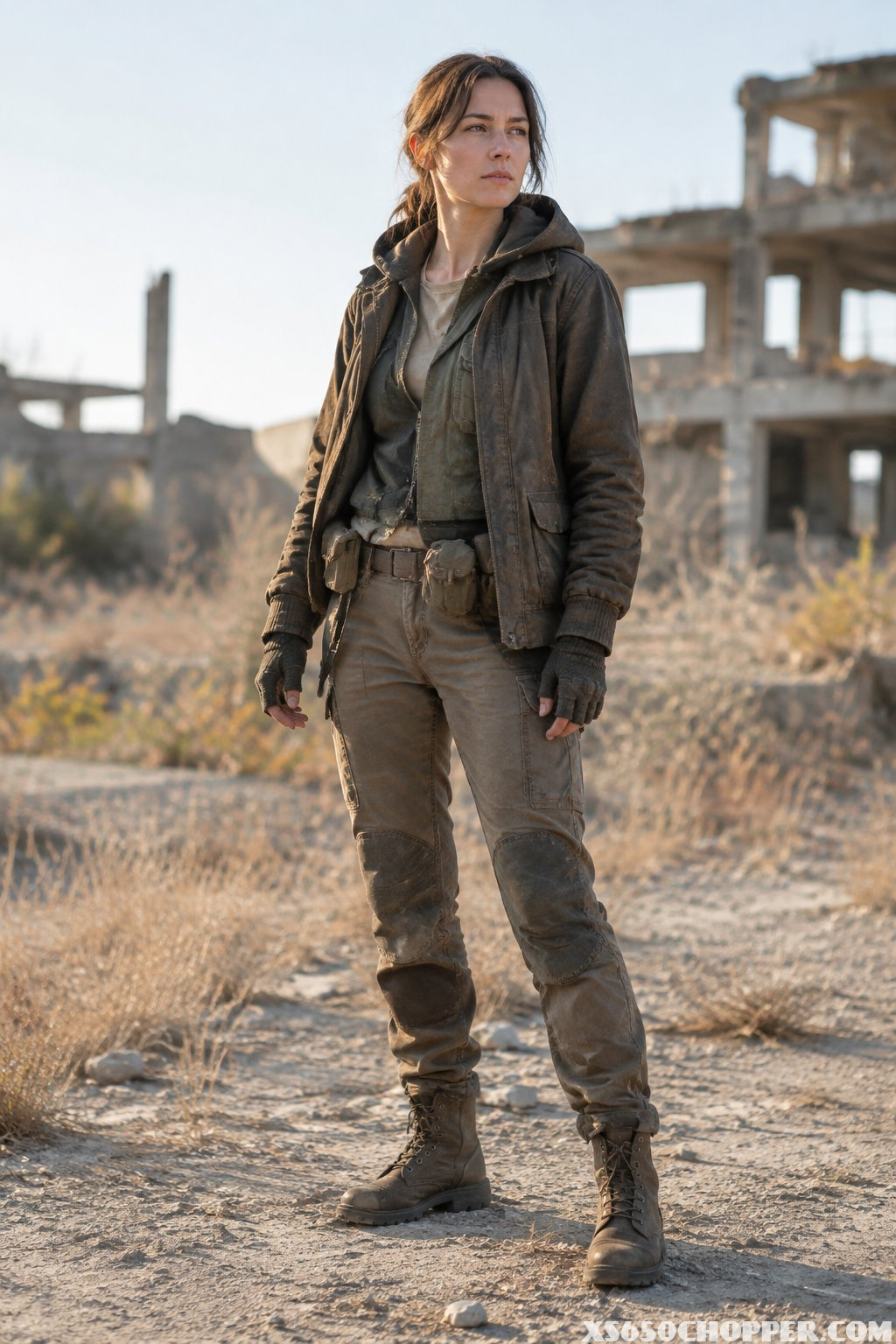
Which materials look convincingly salvaged?
Cotton canvas, denim, flannel, and softened leather give your outfit visible texture. Combine matte fabrics with a small amount of dull metal hardware, and use patches or repaired seams to suggest repeated wear.
How can you keep bulky layers from hiding the silhouette?
Keep the base layer close-fitting and choose outer pieces with defined shoulders or a belt at the waist. Limit bulky items to one or two focal areas, such as a cowl and a single padded shoulder.
How should you adapt the look for cosplay or a 3D character?
For cosplay, prioritize lightweight layers and attachments that stay secure through movement. For a 3D character, vary fabric roughness, seam placement, and layer thickness so each piece reads clearly in the silhouette.
How to Keep a Layered Outfit Wearable at a Convention
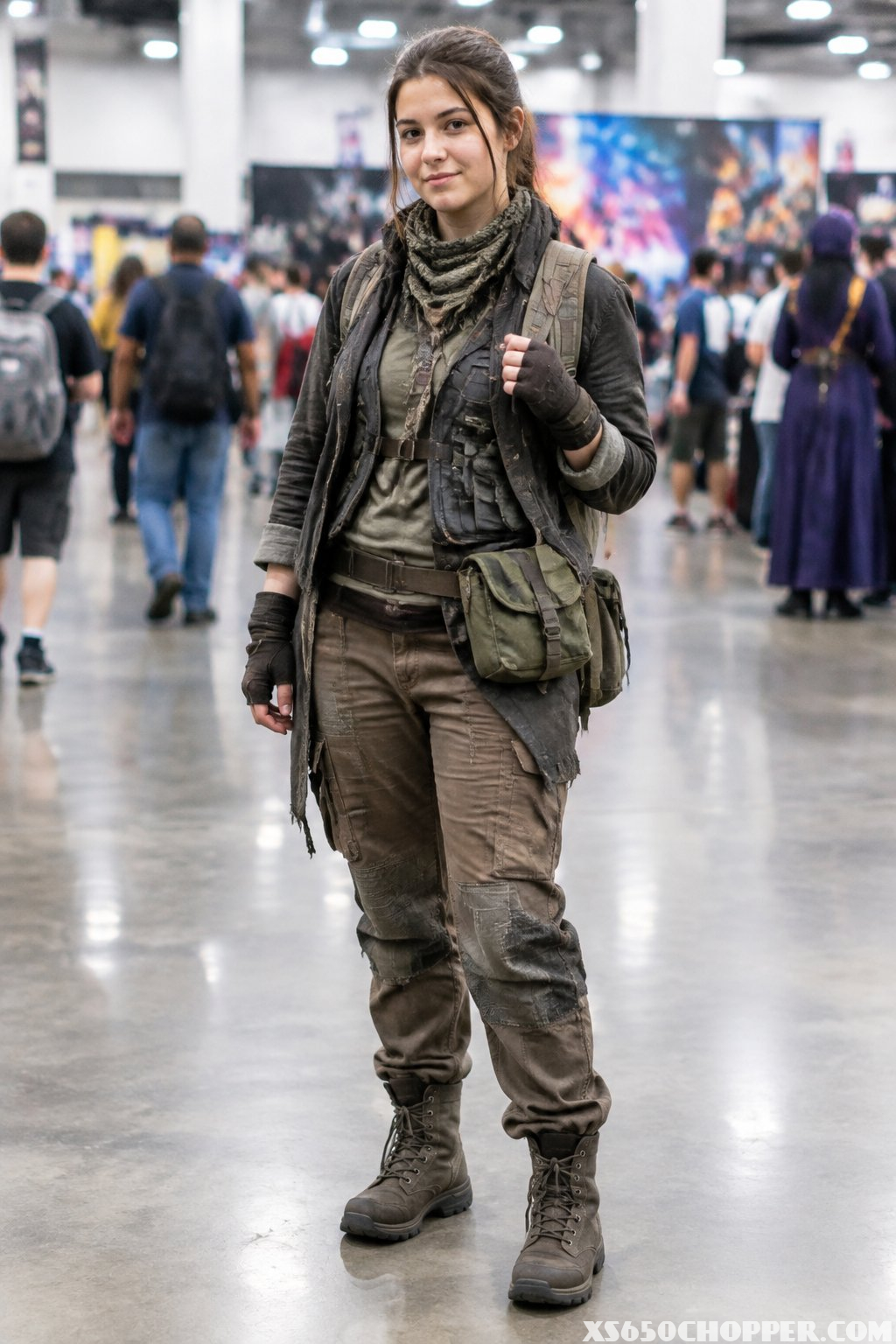
Plan your outfit around long periods of walking, sitting, and standing in crowded indoor spaces. Make each outer accessory easy to remove, then test the full set of layers before event day.
Which layers can you remove easily?
Make your jacket, scarf, and face accessories removable, using simple closures you can reach without help. Keep your base shirt and trousers comfortable on their own so you can take off a warm layer while keeping the outfit cohesive.
How can you secure loose straps and accessories?
Use strap keepers, low-profile clips, or hook-and-loop tabs to control loose ends. Fasten pouches and props to a belt or vest, then check that they stay close to your body when you turn and sit.
What should you test before wearing the full outfit?
Walk, sit, raise your arms, and bend your knees in the complete outfit. Check your visibility and breathing with face accessories on, and confirm that your footwear and closures stay comfortable through repeated movement.