
A haircut can change your outline, facial framing, and daily styling routine in a single appointment. These 14 Guy Haircut Transformations (Before & After) show strong options for refreshing long, curly, straight, or overgrown hair.
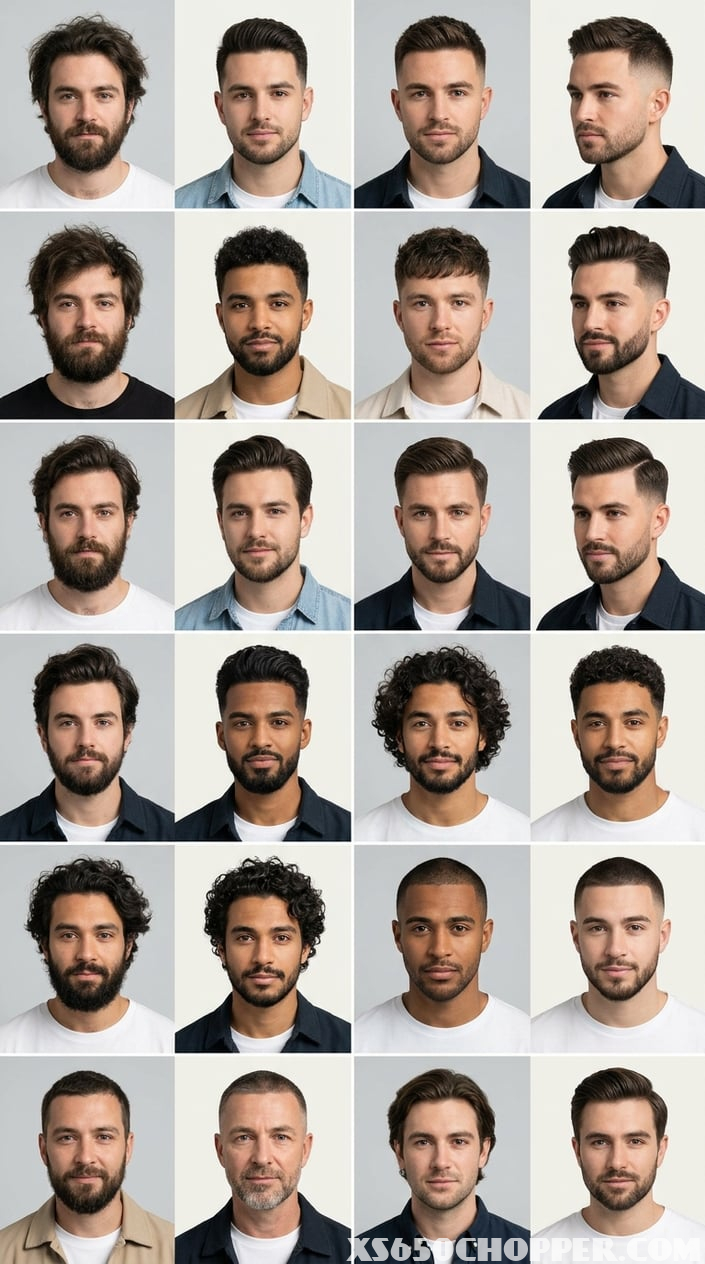
The best cut for you balances the change you want with the texture and upkeep you can manage. Use each before-and-after as a starting point, then ask your barber to tailor the shape to your hairline and growth pattern.
Quick picks:
- Best dramatic change: 14-inch long-hair chop
- Best for curls: defined curly fade
- Best low-maintenance refresh: modern crew cut
- Best medium-length style: layered curtains
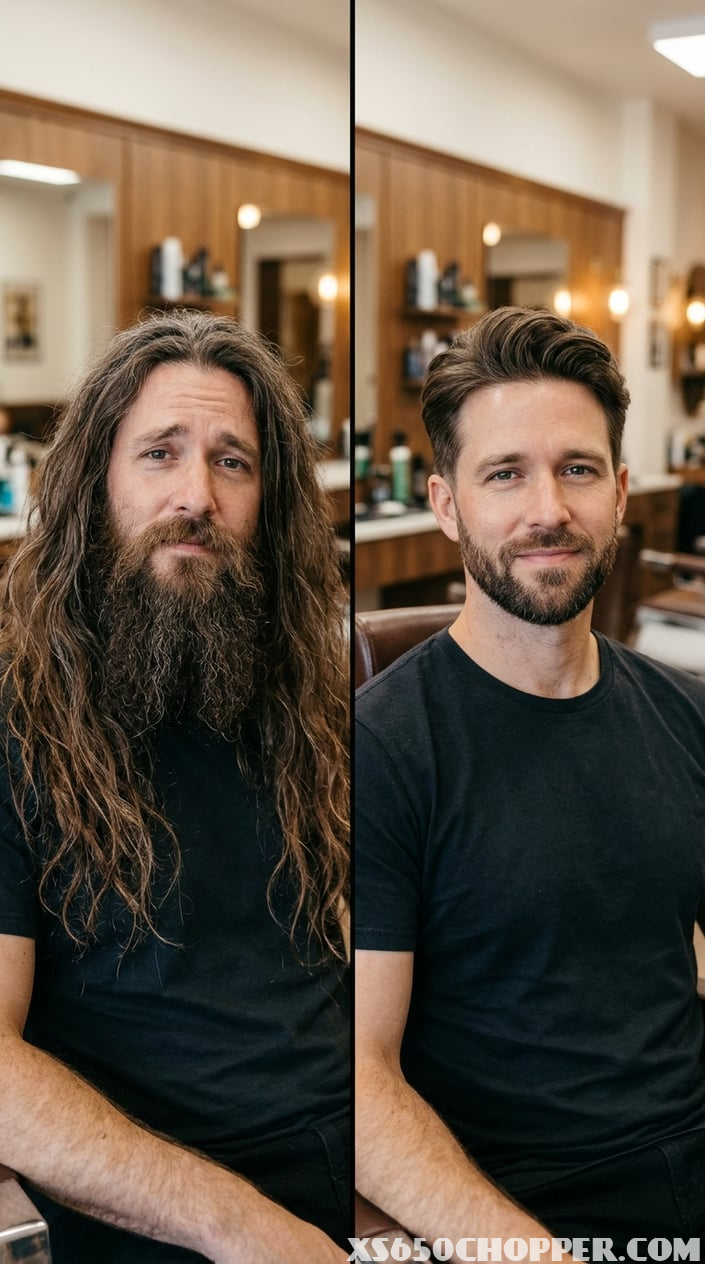
1) 14-Inch Long-Hair Chop at Beardbrand Barbershop

A 14-inch chop turns long, heavy hair into a clean short style with a sharper outline. The change suits you if your length feels difficult to manage or you want a clear reset. Ask your barber to preserve enough length on top to style, and confirm how short you want the sides before the first pass.
PRO TIP
Have your barber cut the length in stages. You can assess the shape as it changes and decide how much more to remove.
2) Fourteen Years Without a Haircut: A Confidence-Reset Cut
A short, shaped cut gives years of grown-out hair a more defined profile. If you are making a major change after a long stretch without trims, bring a reference that shows your preferred top length and side shape. A gradual transition preserves options if you are unsure how short you want to go.
PRO TIP
Discuss your hairline and crown before choosing a close cut. Those details affect how the finished style sits as it grows.
3) The r/malehairadvice Post-Haircut Update

A well-proportioned trim can make a haircut look more intentional without requiring an extreme change. Ask for a shape that removes bulk around the sides while keeping enough length on top for your usual part or styling direction. Clear instructions help your barber maintain the features you like.
PRO TIP
Describe what you want to keep as specifically as what you want changed. Naming a preferred fringe length or side profile gives your barber a useful starting point.
4) Cool Boy Hair Design by a 14-Year-Old Barber

A shaped cut with a crisp outline gives a youthful style a cleaner finish. If you want a design or sharp edge, agree on its placement and visibility before the cut begins. The barber can then balance that detail with the overall shape and your natural hairline.
PRO TIP
Keep the design simple if you want it to grow out cleanly. Fine lines and high-contrast details need more frequent touch-ups.
5) Day 14 Learning to Barber: Before-and-After Cut
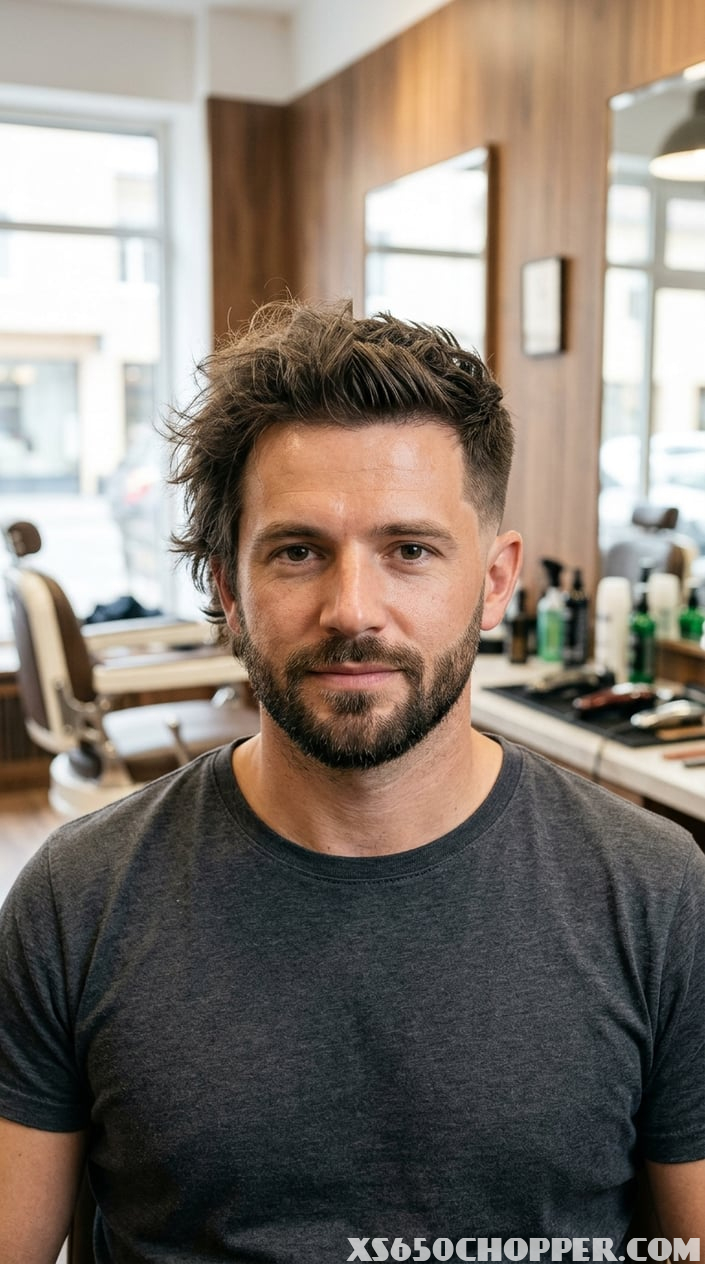
A full cleanup can turn an uneven, grown-out style into a more controlled cut. Decide on the top length first, then ask how the sides will blend into it. This helps you avoid an abrupt change in shape and gives you a clear plan for styling afterward.
PRO TIP
Ask your barber to show the intended length with a comb before using clippers. That quick check makes the plan easier to confirm.
6) Shoulder-Length Hair to a Textured Crop

A textured crop removes shoulder-length weight and leaves a compact shape with movement on top. The shorter length works well if you want a defined fringe and a style that needs little more than a quick restyle. Ask your barber to adjust the fringe to your forehead and hair growth.
PRO TIP
Request texture that suits your density. Point-cutting can soften a heavy top, while too much thinning can make fine hair look sparse.
7) Overgrown Curls to a Defined Curly Fade
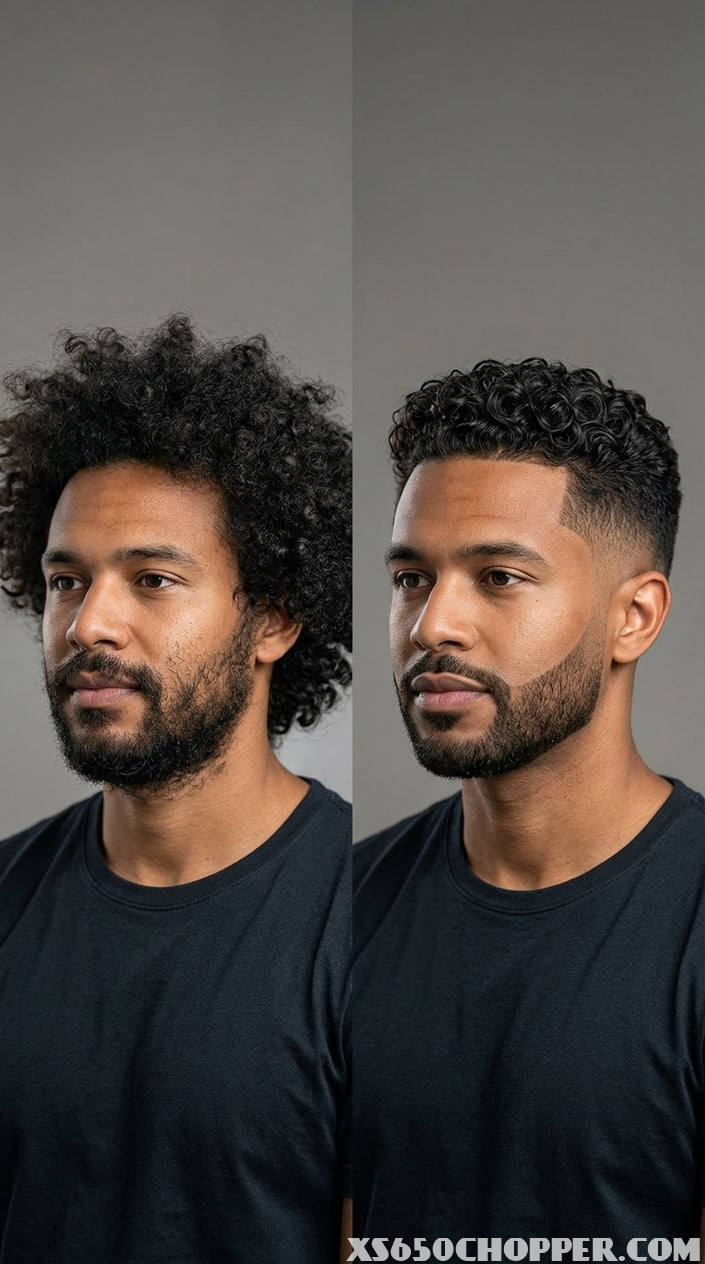
A curly fade brings definition to the sides while keeping the curl pattern visible on top. The result depends on how your curls sit when dry, so explain how much height and length you want to retain. A gradual fade creates a softer transition; a higher fade gives the sides more contrast.
PRO TIP
Ask for the top to be shaped with your curl pattern in mind. Check the length dry before removing more, since curls spring up as they dry.
8) Shaggy Medium Hair to a Classic Side Part
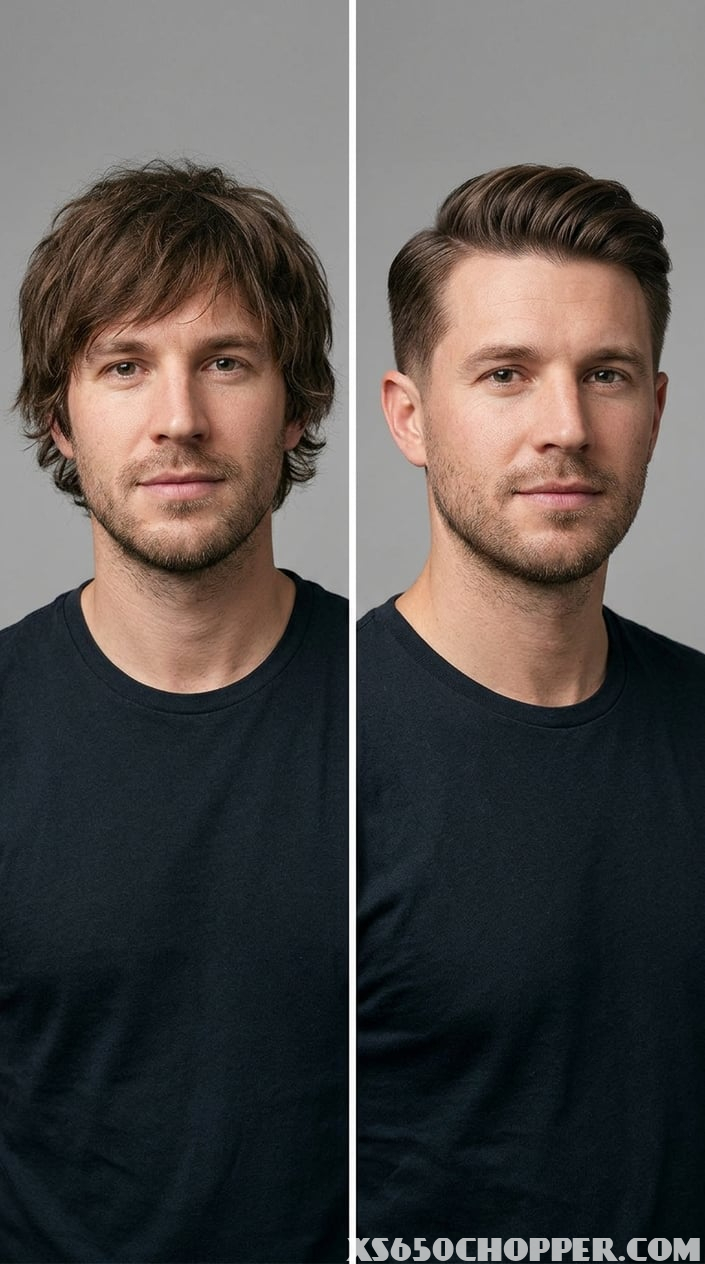
A classic side part brings shaggy medium hair into a neat, structured shape. The cut keeps enough length to comb into place while cleaning up the silhouette around the ears and neckline. Tell your barber where your natural part falls so the top follows your growth pattern.
PRO TIP
Use a light styling cream for flexible control. A firm, heavy product can flatten movement and make the part look stiff.
9) Flat, Straight Hair to Layered Curtains
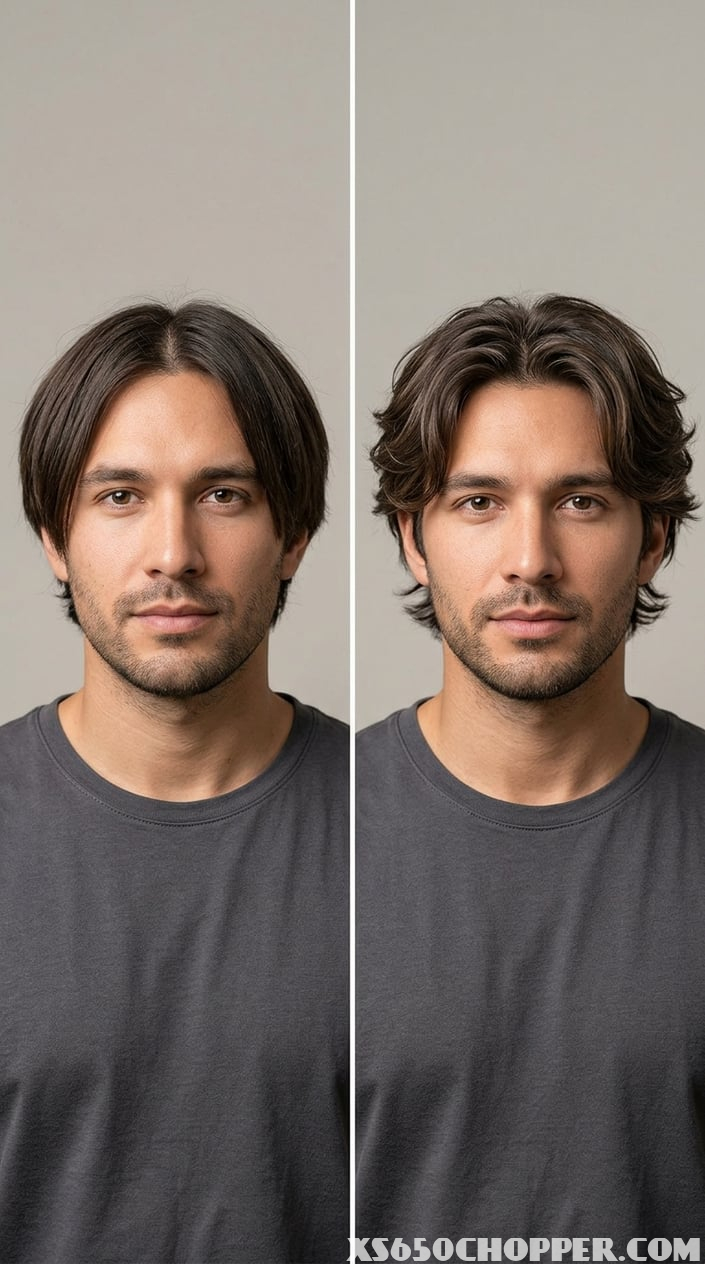
Layered curtains give straight hair separation and a center or off-center opening around the face. The layers create movement while retaining enough length to sweep each side into place. Ask for a fringe length that works with your forehead and the way your hair naturally falls.
PRO TIP
Use a blow-dryer to direct the front away from your part. A small amount of lightweight styling cream helps keep the layers separated.
10) Long Wavy Hair to a Scissor-Cut Bro Flow
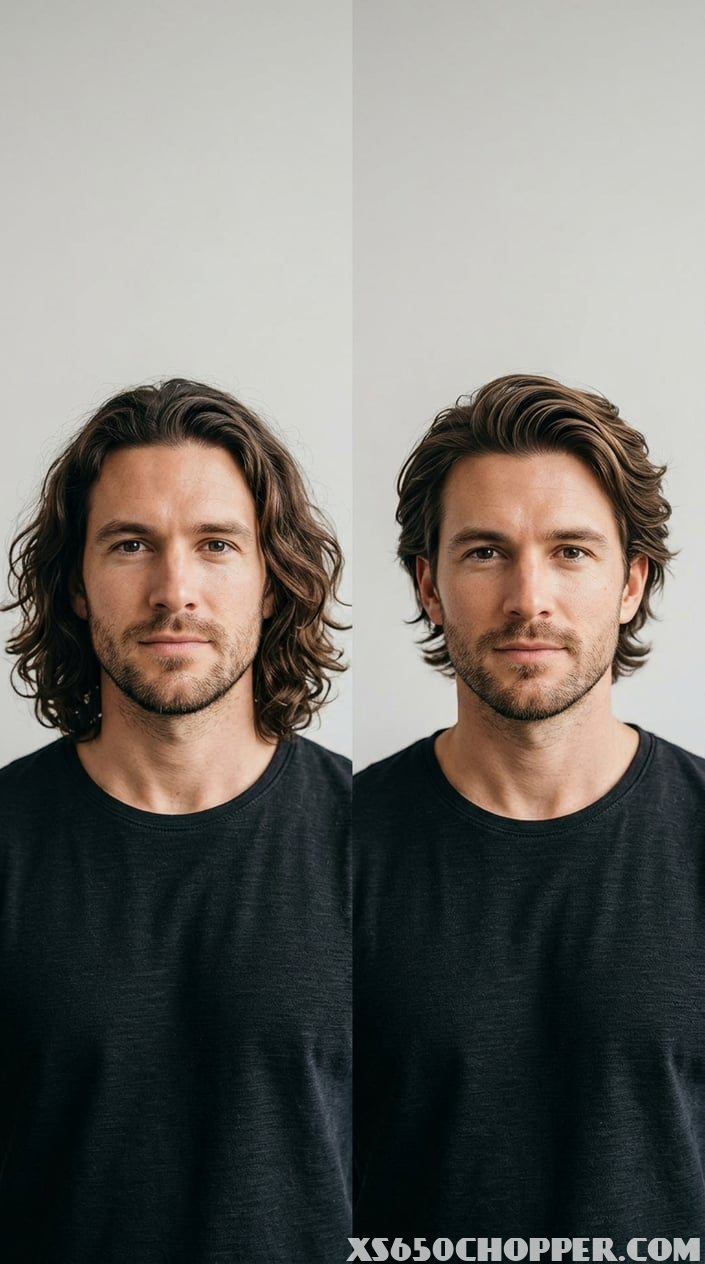
A scissor-cut bro flow keeps wavy hair long enough to move back from the face while removing excess weight. This shape suits you if you want a relaxed medium-length style with a cleaner outline. Ask your barber to preserve the natural wave and trim around the ears and neckline.
PRO TIP
Style damp hair with a small amount of leave-in conditioner or cream. Letting it air-dry helps maintain the wave’s natural shape.
11) Grown-Out Buzz Cut to a Modern Crew Cut
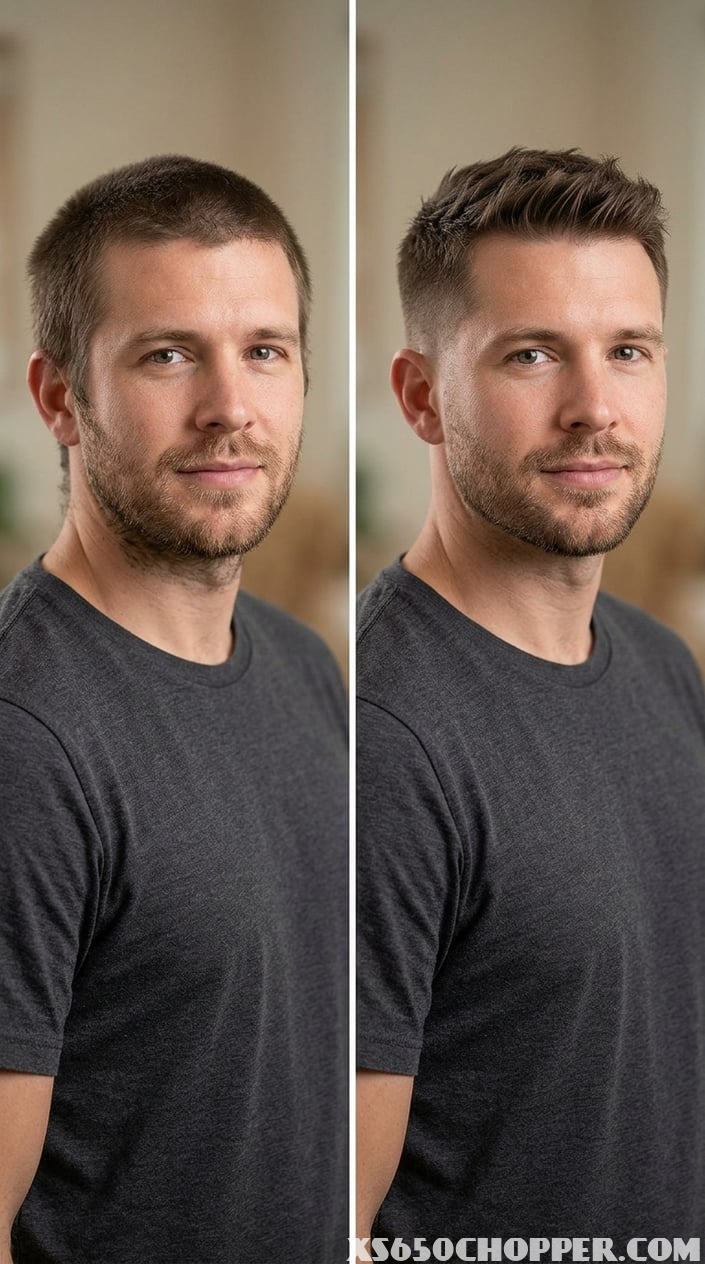
A modern crew cut adds a little length and shape to a grown-out buzz cut. The top stays short and easy to manage, while a tapered side profile gives the cut a more deliberate finish. Tell your barber whether you want the front slightly longer or kept close to the scalp.
PRO TIP
Bring up your preferred maintenance schedule. A tighter taper loses its crisp look sooner than a softer, longer blend.
12) Thick Hair to a Disconnected Undercut
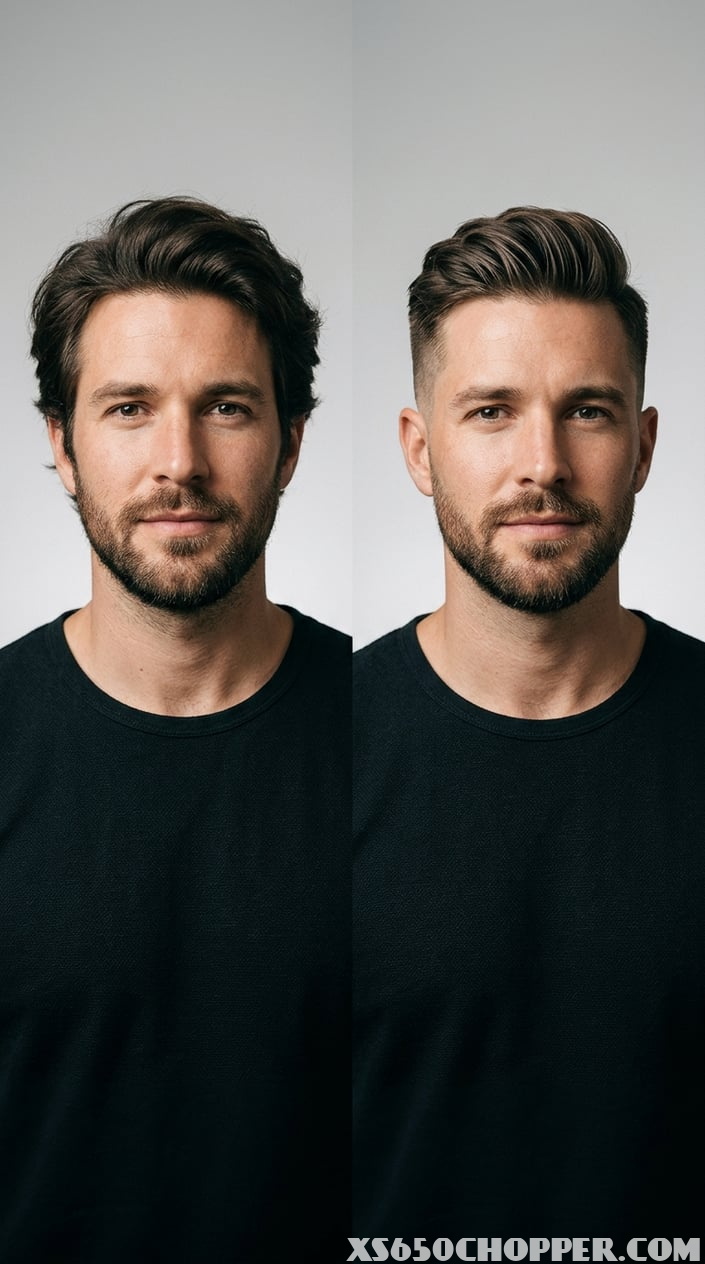
A disconnected undercut removes bulk from the sides and leaves a distinct length difference beneath the top. Thick hair can hold the longer top in a bold shape, though it needs some styling to stay controlled. Agree on how visible the disconnect should be before your barber starts.
PRO TIP
Ask your barber to remove weight from the interior of the top if it feels dense. Keeping the outer length preserves the shape while making it easier to style.
13) Messy Curls to a Curly Quiff
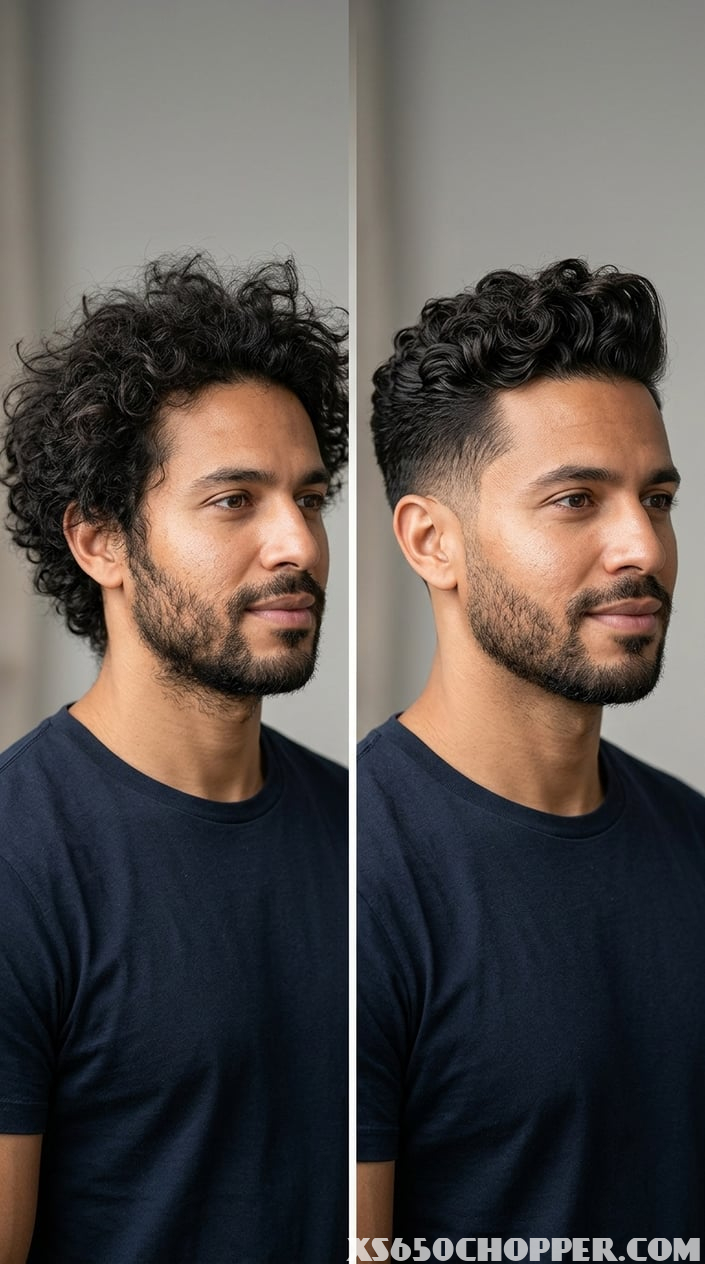
A curly quiff directs the front upward and back while keeping natural curl and volume. The cut gives messy curls a clear focal point, with shorter sides helping define the top. Your barber should shape the front around its natural spring so it keeps its height without becoming too short.
PRO TIP
Apply curl cream to damp hair and lift the front with your fingers as it dries. This supports the quiff’s shape without pressing curls flat.
14) Bulky Sides to a Mid-Fade Pompadour

A mid-fade pompadour reduces bulk at the sides and builds height through the front and top. It creates a defined profile that suits hair with enough density to hold volume. Ask for a fade height that complements your head shape and a top length you can style each morning.
PRO TIP
Blow-dry the front upward and back before applying a small amount of pomade. Starting with damp hair gives you more control over the direction.
How to Choose a Before-and-After Cut
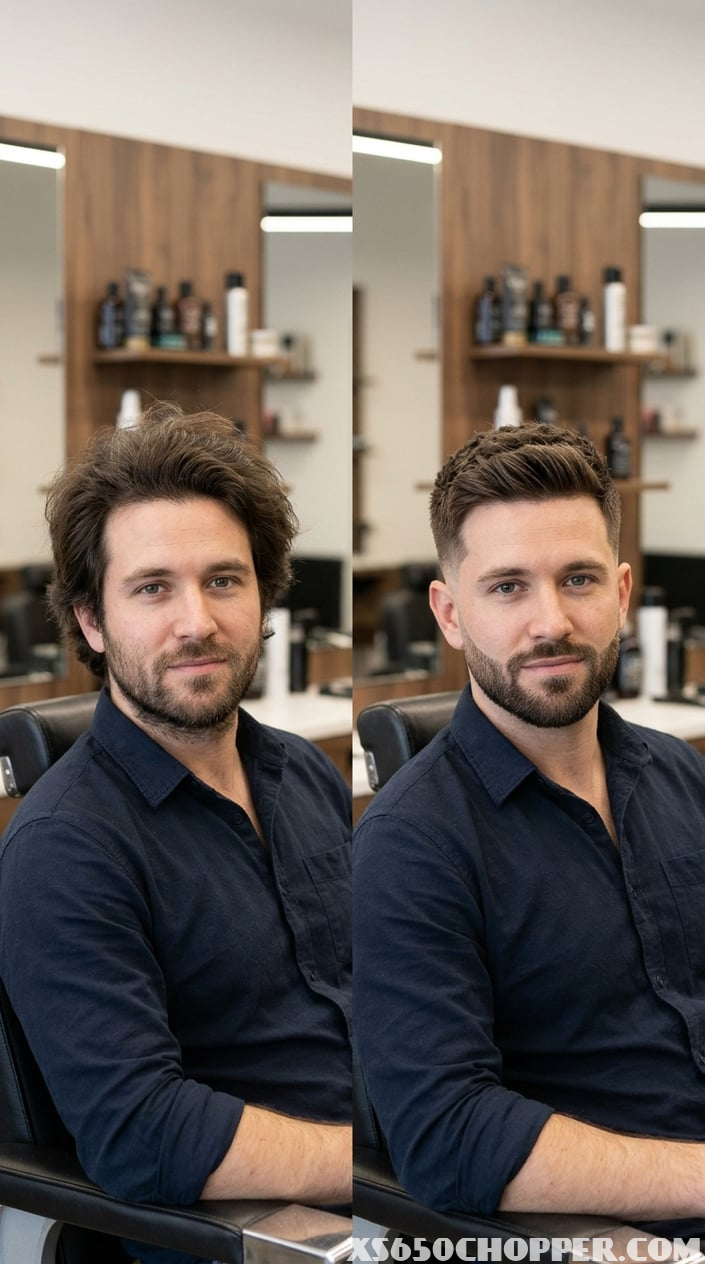
Choose a haircut by matching its shape to your texture, styling habits, and preferred maintenance schedule. A cut that works with your natural growth pattern is easier to reproduce at home.
What works with your hair texture and density?
Your texture helps determine how a cut falls and how much product it needs. Curls benefit from shaping that follows their spring, while straight hair often needs layers or a defined part for visible movement. Dense hair can support height and disconnection; fine hair usually looks fuller with a lighter hand on thinning.
How much daily styling are you willing to do?
A crew cut or textured crop needs little daily shaping, while a pompadour or quiff calls for blow-drying and product. Choose a style that fits the time you have before work or school. Ask your barber to demonstrate the basic routine before you leave.
How should you account for face shape and upkeep?
Use the haircut’s proportions to balance your features. Height on top adds vertical emphasis, while a fuller fringe changes how much forehead remains visible. Consider how often you want to return for cleanup, especially with a fade or sharp outline.
How to Get the Most From a Barber Consultation

A useful barber consultation turns your reference into clear instructions about length, shape, and upkeep. Explain what you like about the cut, then discuss how those details should work with your own hair.
Which reference photos are most useful?
Bring a few clear photos showing the front, sides, and back of a haircut you like. Choose examples with hair texture and density close to yours, and point out the specific features you want to borrow, such as the fringe or taper. A single angle rarely shows the full shape.
What details should you clarify before the cut?
Agree on top length, fade height, neckline finish, and how much weight to remove. Tell your barber how you part or style your hair at home and how often you want trims. Before clippers come out, confirm the plan for the sides and any major length change.