
A haircut can make your hairline, thinning, or facial proportions more noticeable, which may add years to your appearance. You look fresher when your cut works with your hairline, hair density, face shape, and natural texture.

Choose a cut that gives your hair a deliberate shape and suits the way it grows. Small adjustments to length, texture, and upkeep can make your style look more current without requiring a dramatic change.
1) Using a Comb-Over to Hide a Receding Hairline
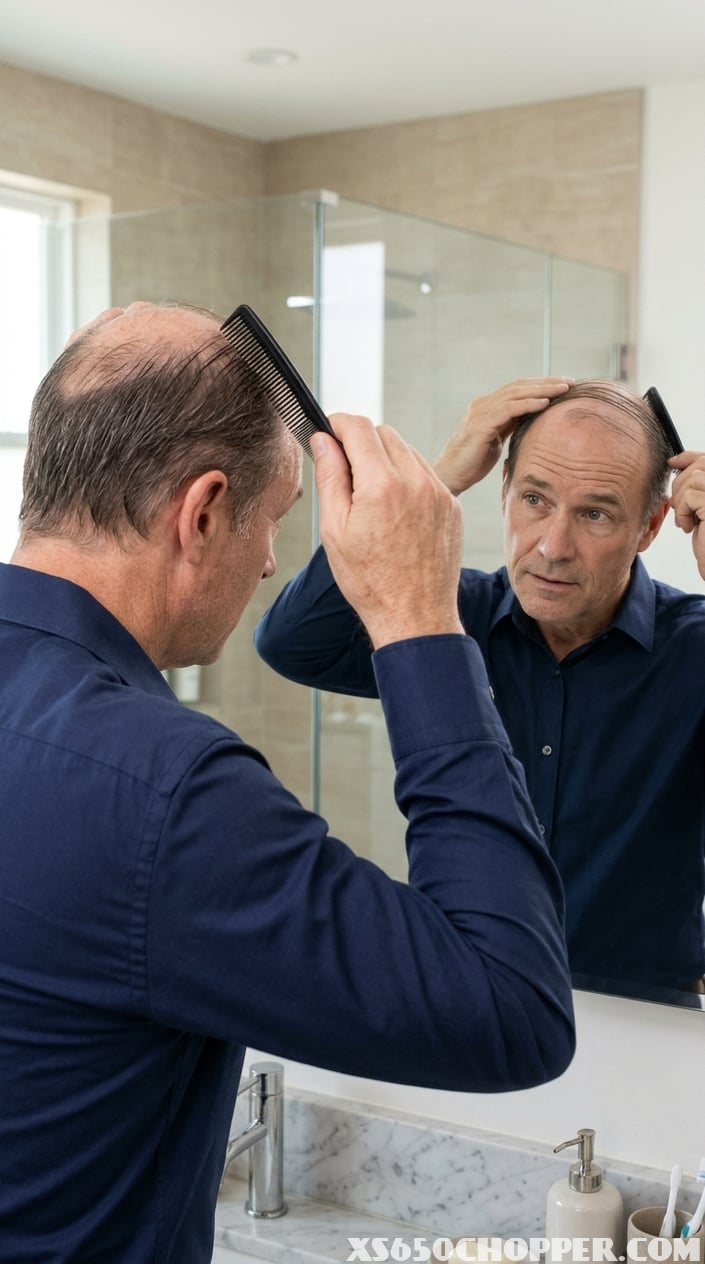
A comb-over draws attention to a receding hairline by placing longer hair across the area you’re trying to disguise. The swept section can separate in wind or movement, making the contrast between covered and exposed scalp more obvious.
Ask your barber for a shorter, textured shape that follows your natural hairline. A cropped cut or a side-parted style with modest length can look intentional and keep styling simple.
PRO TIP
Use a matte product in a small amount to give short hair texture without making the scalp look shiny.
2) Keeping a Dated, Slicked-Back Style Stiff With Gel

A rigid, glossy slick-back can make your style look dated and emphasize thinning at the crown or temples. Heavy gel also clumps strands together, leaving more scalp visible.
Keep the general direction if you like a swept-back look, and ask for softer layers with movement. A lightweight cream or paste gives you control with a more natural finish.
PRO TIP
Apply product to dry or nearly dry hair, starting with a pea-sized amount; add more only if you need extra hold.
3) Getting a High Skin Fade That Exposes Temple Recession

A high skin fade removes hair near the temples, which can make recession stand out. The sharp contrast between bare sides and longer hair on top also puts more focus on the hairline.
Request a low or mid taper that keeps some coverage around the temples. Your barber can blend the sides gradually and adjust the top so the whole cut looks balanced.
PRO TIP
Show your barber your hairline from the front and both sides before choosing the fade height.
4) Leaving the Sides Too Long and Bulky
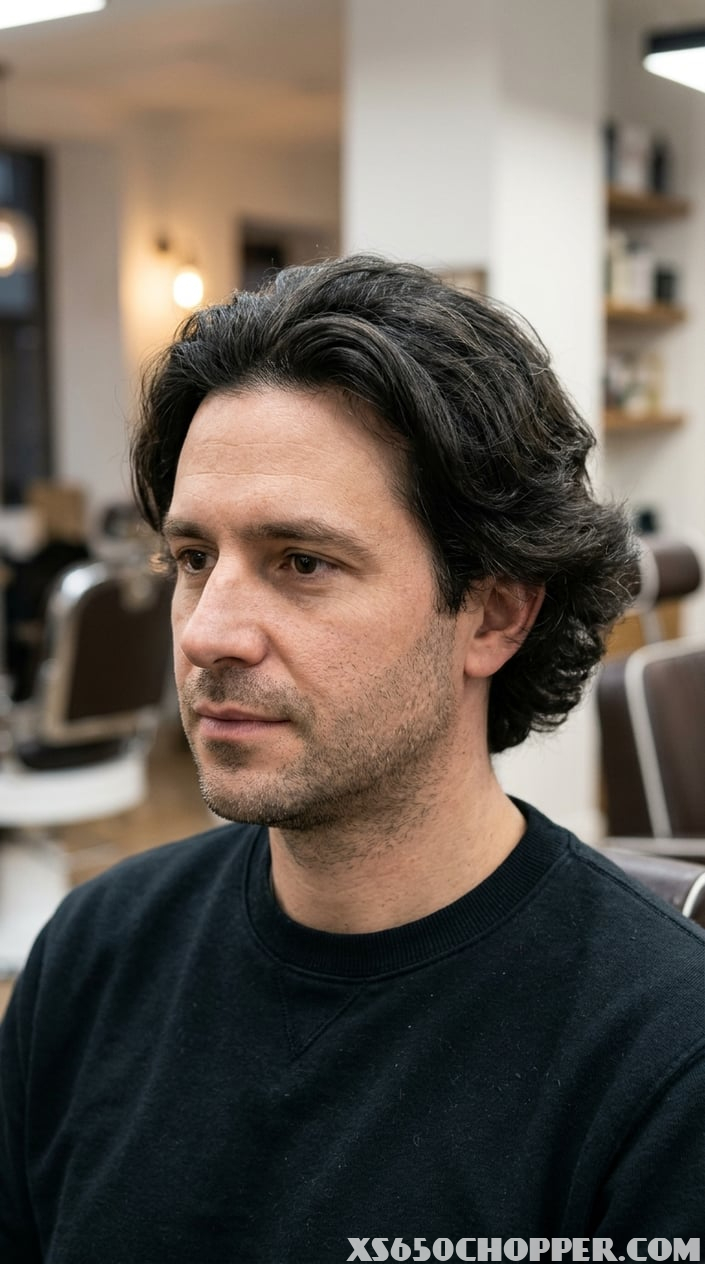
Overgrown sides can widen your silhouette and make a haircut look unkempt. This is especially noticeable when the hair puffs out above the ears or forms a heavy ledge beneath the crown.
Ask for the sides to be shaped close enough to control bulk while preserving a soft outline. If your hair is thick or grows outward, tell your barber where it tends to flare.
PRO TIP
Book a cleanup when the sides start pushing outward; you may need that trim before the top loses its shape.
5) Growing Thin Hair Long and Flat on Top
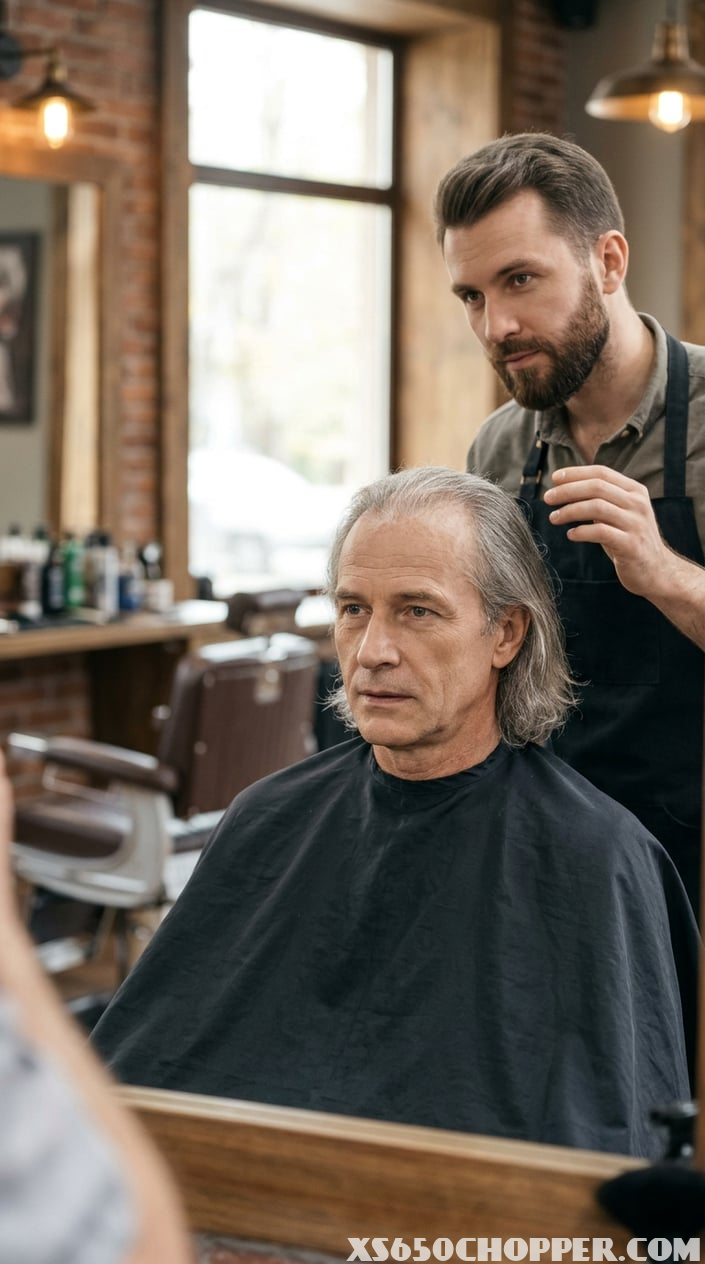
Long, flat hair can separate into thin sections that expose more scalp. Extra length also weighs down fine strands, making it harder to create lift.
Ask for a shorter cut with subtle texture and a shape that suits your density. Keep the top manageable, then style it with a light product that adds grip without a wet finish.
PRO TIP
Try styling with your fingers and a blow-dryer on low heat to lift the roots before adding product.
6) Wearing a Heavy, Blunt Fringe
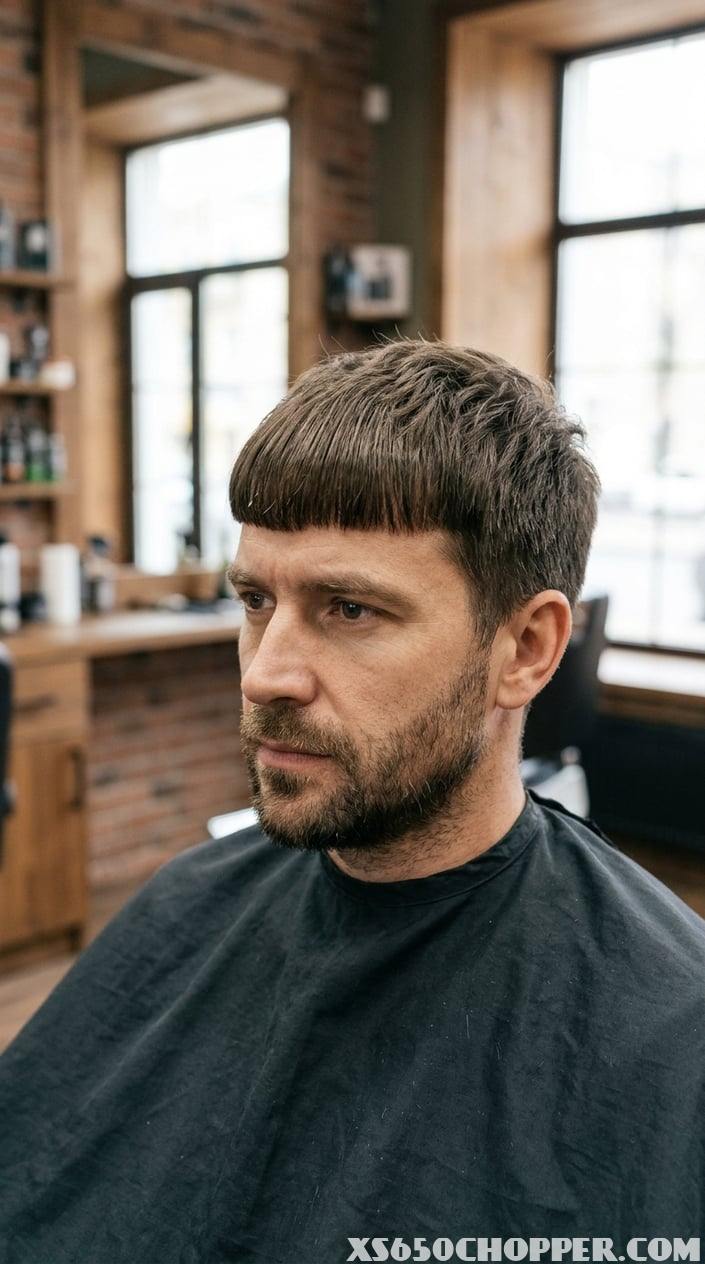
A dense, straight fringe creates a hard horizontal line across your forehead and can make your haircut feel severe. Its weight may also flatten the top and draw focus to the brow.
Ask for a lighter fringe with broken-up ends, or choose a textured crop that lets some forehead show. Your natural hair pattern and front density will help determine how much fringe to keep.
PRO TIP
Ask your barber to soften the ends with texture so the fringe sits in separated pieces.
7) Cutting Every Part of Your Hair to One Length
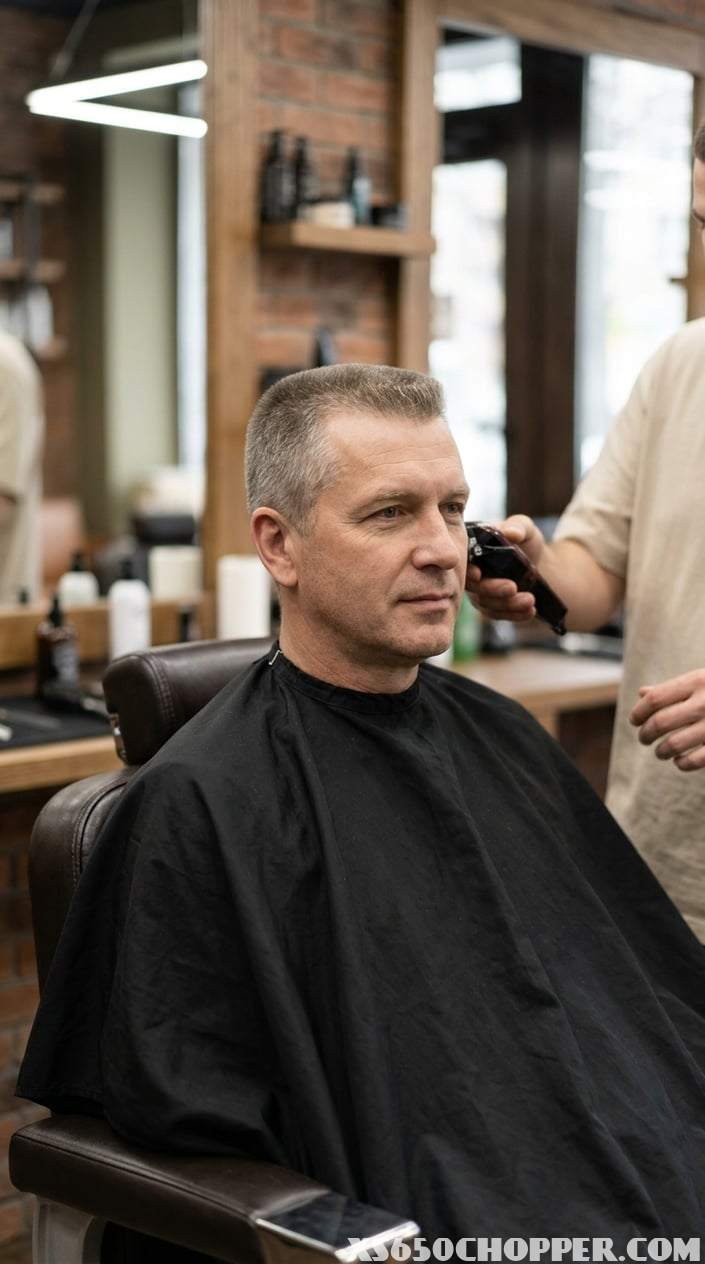
A uniform length can leave your haircut looking flat and unfinished because it gives your head no shape or direction. The result can also emphasize uneven growth patterns.
Ask for a shape that uses a little variation in length to complement your head and hair texture. Even a short cut benefits from controlled tapering or light texture on top.
PRO TIP
Bring up any cowlicks before the cut; your barber can leave enough length for them to lie naturally.
8) Choosing a Cut That Fights Your Face Shape

A cut that adds width or height in the wrong places can throw off your facial proportions. For example, extra volume on top can make a long face look longer, while bulky sides can widen a round face.
Tell your barber what you want the haircut to balance, then discuss where to keep volume and where to reduce it. Your hairline and natural growth pattern also affect how the shape will sit.
PRO TIP
Use a front-facing photo in natural light to help describe the proportions you want to balance.
9) Getting an Artificially Sharp Hairline or Hard Part

An overly sharp lineup or deeply carved part can look severe and draw attention to recession or uneven growth. As the hair grows, the crisp edges may also become difficult to maintain.
Ask for a natural-looking hairline that follows your own shape. If you like a part, choose a subtle one that works with your growth pattern and doesn’t require a deep shaved line.
PRO TIP
Ask your barber to preserve your natural corners instead of pushing the hairline forward.
10) Waiting Too Long Between Haircuts

Waiting too long between cuts lets the outline lose its shape, so the sides may flare and the neckline can look untidy. Even a good cut loses definition as the hair grows.
Set your next appointment based on how quickly your hair grows and how crisp you want the edges to stay. A short cleanup can refresh the shape without changing the length on top.
PRO TIP
Ask your barber which areas grow out first, then use that pattern to plan your trim schedule.
How to Choose a More Flattering Haircut

How Should Your Hairline and Hair Density Affect the Cut?
Your hairline and density should guide the cut’s length, direction, and coverage. If your temples are receding, a softer taper and textured top can keep the shape balanced; if your crown is thinning, a shorter length can reduce separation and expose less scalp.
Which Face-Shape and Texture Details Should You Discuss With Your Barber?
Tell your barber where your hair grows thickest, where it lies flat, and where it tends to stick out. Share what you want the shape to do for your face, such as reducing width at the sides or keeping height low on top.
What Reference Photos Help Set Realistic Expectations?
Bring photos that show the front, sides, and overall shape of a haircut you like. Choose examples with hairline and density close to yours, then ask your barber which details will work with your growth pattern.