The seven common men’s clipper-guard lengths run from 1/8 inch with a #1 guard to 1 inch with a #8 guard, increasing by 1/8 inch at each step. The final entry groups #7 and #8, giving you seven list items for eight guard numbers.

Knowing the guard length helps you describe how much hair you want to keep. Your hair’s texture, the clipper brand, and the barber’s technique can affect how that length looks on your head.
1) Number 1 Haircut: 1/8 Inch

A #1 guard leaves about 1/8 inch of hair, creating a very close buzz cut with visible scalp. Choose it when you want a low-maintenance cut that keeps your hair uniformly short.
At this length, your scalp and the shape of your head show clearly. A #1 also works as a fade length on the sides, with more hair left on top.
PRO TIP
Ask your barber whether the #1 will cover the whole head or only the sides. That detail changes the finished look considerably.
2) Number 2 Haircut: 1/4 Inch
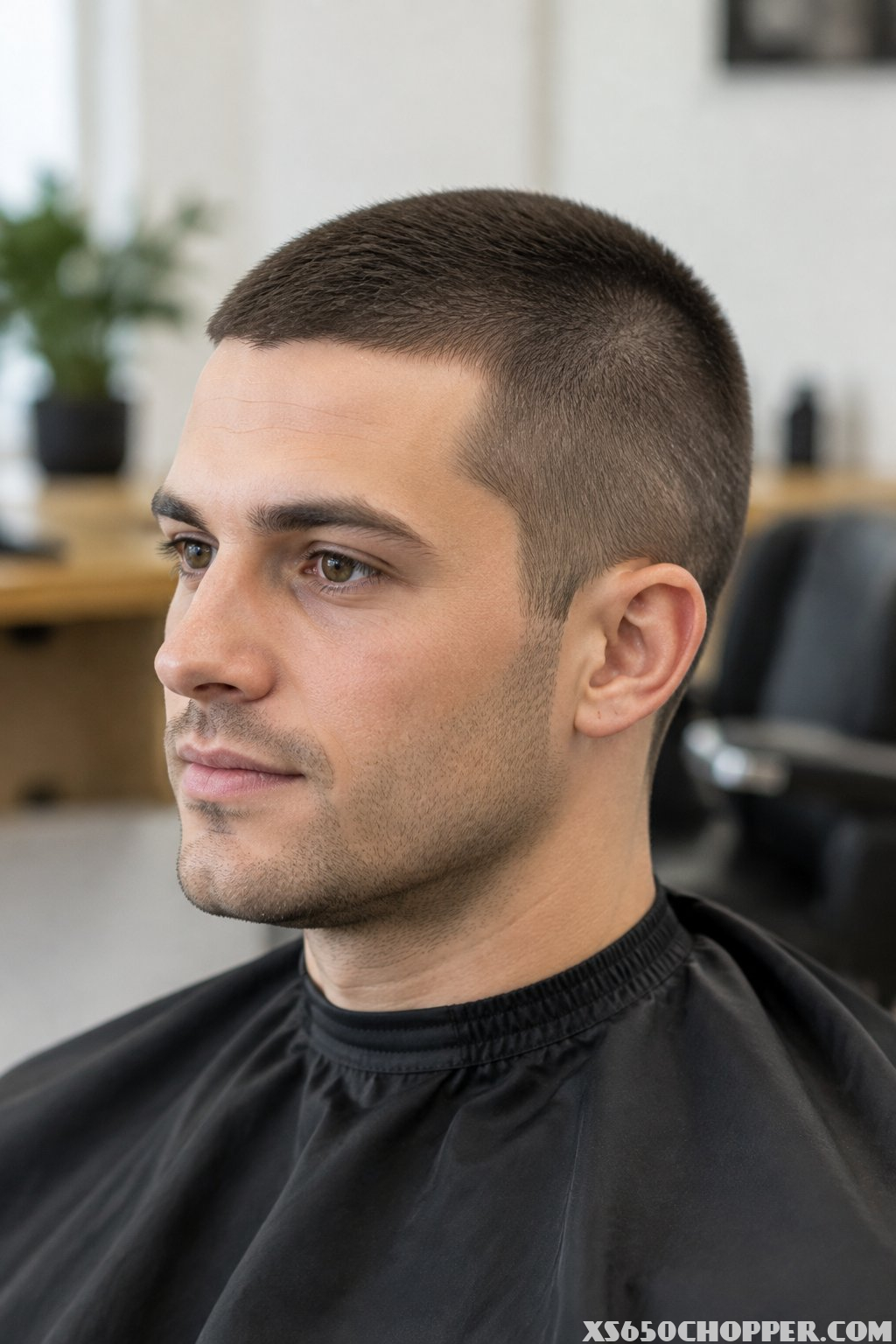
A #2 guard leaves 1/4 inch of hair, giving you a short, close cut with a little more coverage than a #1. It suits an all-over buzz cut or short sides for a fade.
The extra eighth of an inch softens the scalp exposure while keeping the outline neat. If you want a clean, short result that shows less scalp, ask for a #2.
PRO TIP
If you are unsure about going very short, ask your barber to start with a #2 and check the length before taking the sides shorter.
3) Number 3 Haircut: 3/8 Inch
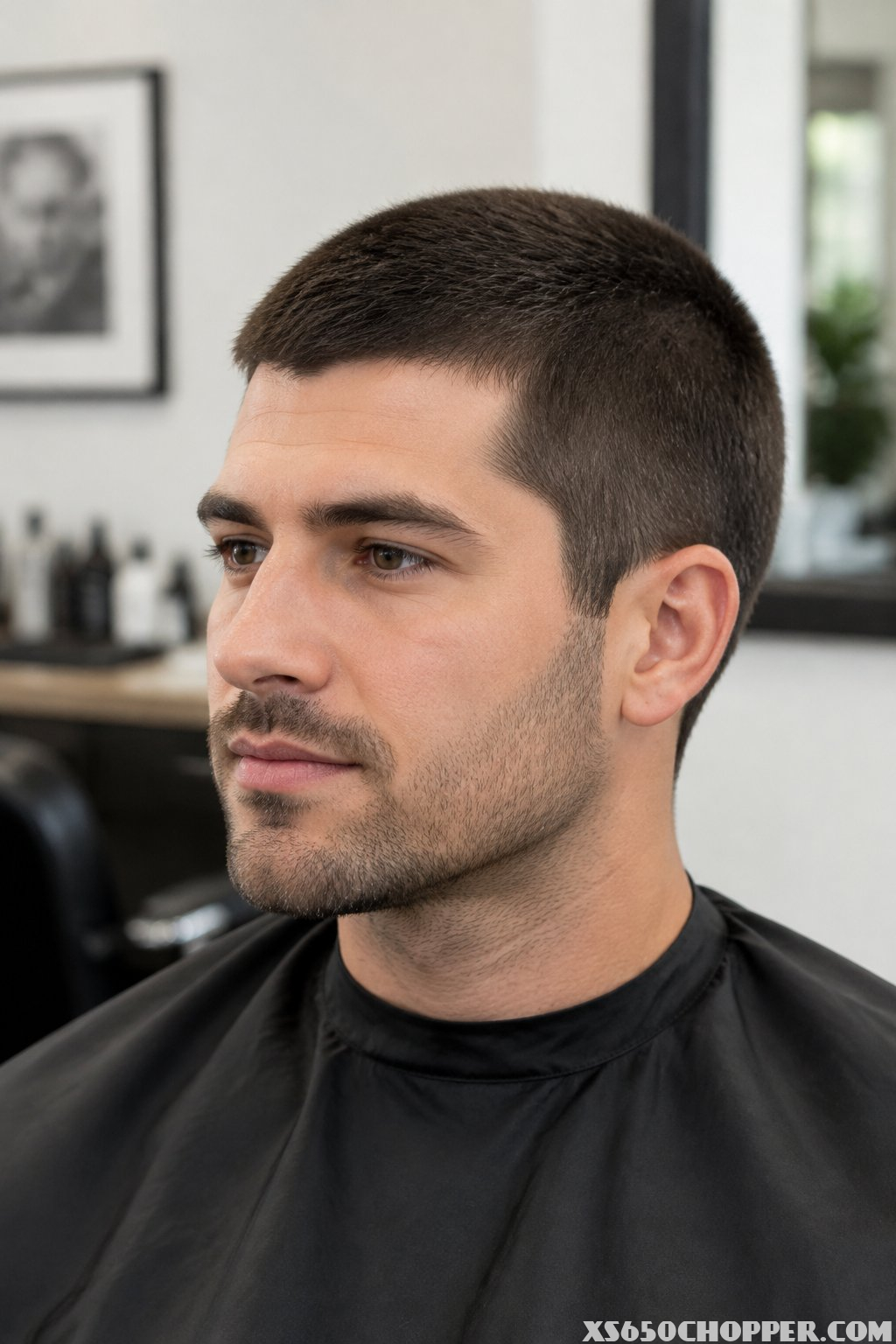
A #3 guard leaves 3/8 inch of hair, giving you a short cut with more visible coverage and texture. You can wear it all over or use it for a slightly longer fade.
This length offers a defined, clipped appearance while leaving enough hair to show some natural texture. The result looks different across hair types, especially when curls or waves begin to show.
PRO TIP
Tell your barber whether you want the #3 all over or blended into a shorter guard at the sides.
4) Number 4 Haircut: 1/2 Inch

A #4 guard leaves 1/2 inch of hair, a practical length when you want a short cut with noticeable coverage. It works for an all-over clipper cut or as a blend length in a fade.
At half an inch, your hair has more room to show its texture and direction. You can keep the top and sides at the same length for a uniform cut, or ask for a shorter guard around the edges.
PRO TIP
If you want a tidy outline with some length left on top, specify the #4 for the top and describe the side length separately.
5) Number 5 Haircut: 5/8 Inch

A #5 guard leaves 5/8 inch of hair, giving you a fuller clipped look than a #4. Choose it when you want short hair with enough length to show more shape and texture.
The difference between #4 and #5 is only 1/8 inch, though that small change can make the cut look softer and less close. You can also use a #5 on top with shorter guards along the sides.
PRO TIP
Bring a reference photo if you want a specific silhouette, then use the #5 length to clarify how much hair you want left.
6) Number 6 Haircut: 3/4 Inch
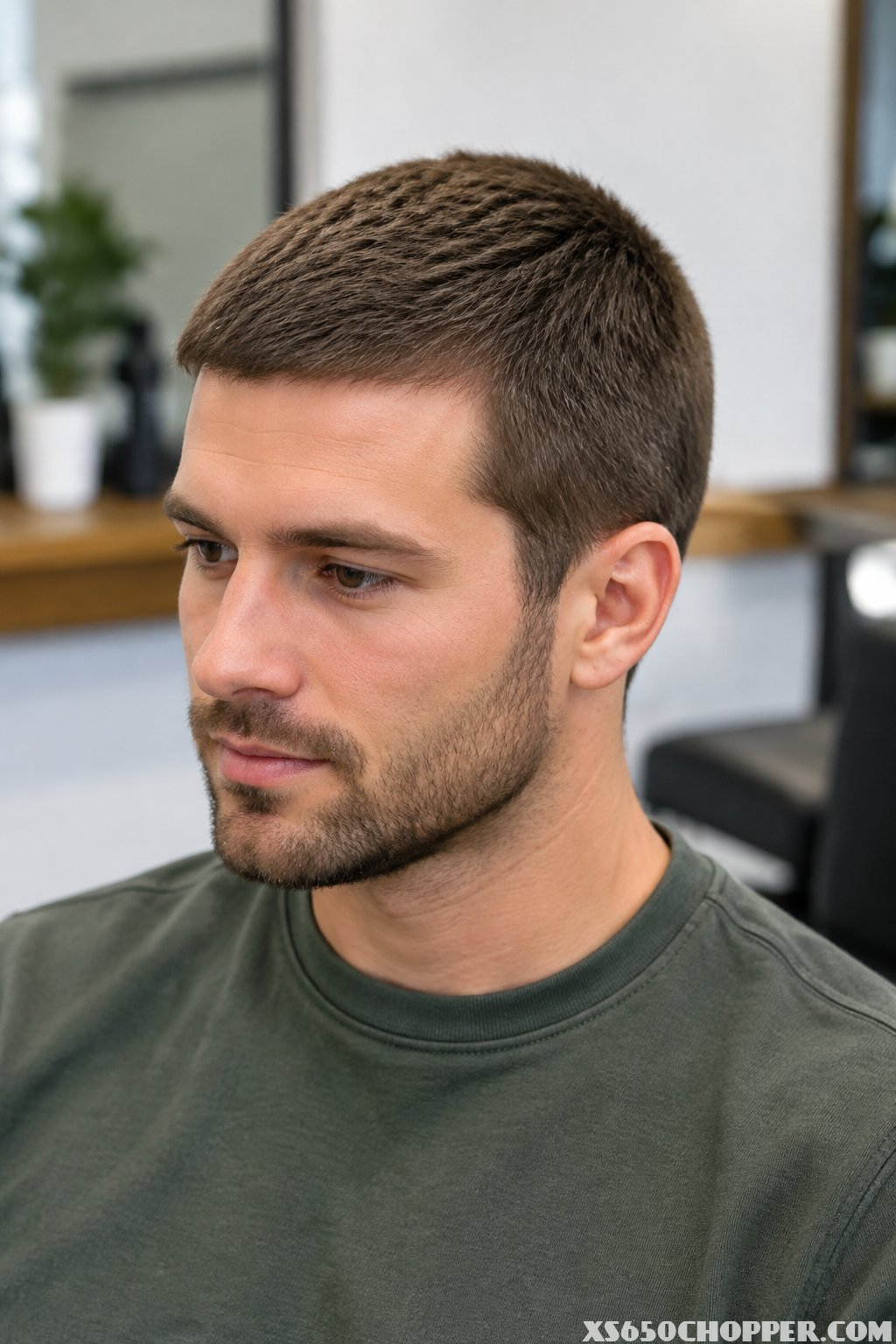
A #6 guard leaves 3/4 inch of hair, keeping your cut short while showing more length and texture. It suits an even clipper cut or a longer top that blends into shorter sides.
At this length, your hair can show more of its natural movement. A #6 also gives your barber room to shape a gradual blend with shorter guards around the temples and neckline.
PRO TIP
Ask for a #6 on top with the sides blended down if you want a clear length difference without a sharp disconnect.
7) Number 7 and Number 8 Haircuts: 7/8 to 1 Inch

A #7 guard leaves 7/8 inch, while a #8 guard leaves 1 inch, giving you the longest lengths in the standard #1-to-#8 guard range. These guards preserve more coverage and visible texture than the shorter sizes.
The difference between them is 1/8 inch. Choose a #7 for a slightly closer finish or a #8 when you want the maximum length from a standard clipper guard.
PRO TIP
Say the guard number and the area you want it used on, such as “a #8 on top, blended shorter at the sides.”
How to Choose a Clipper Guard
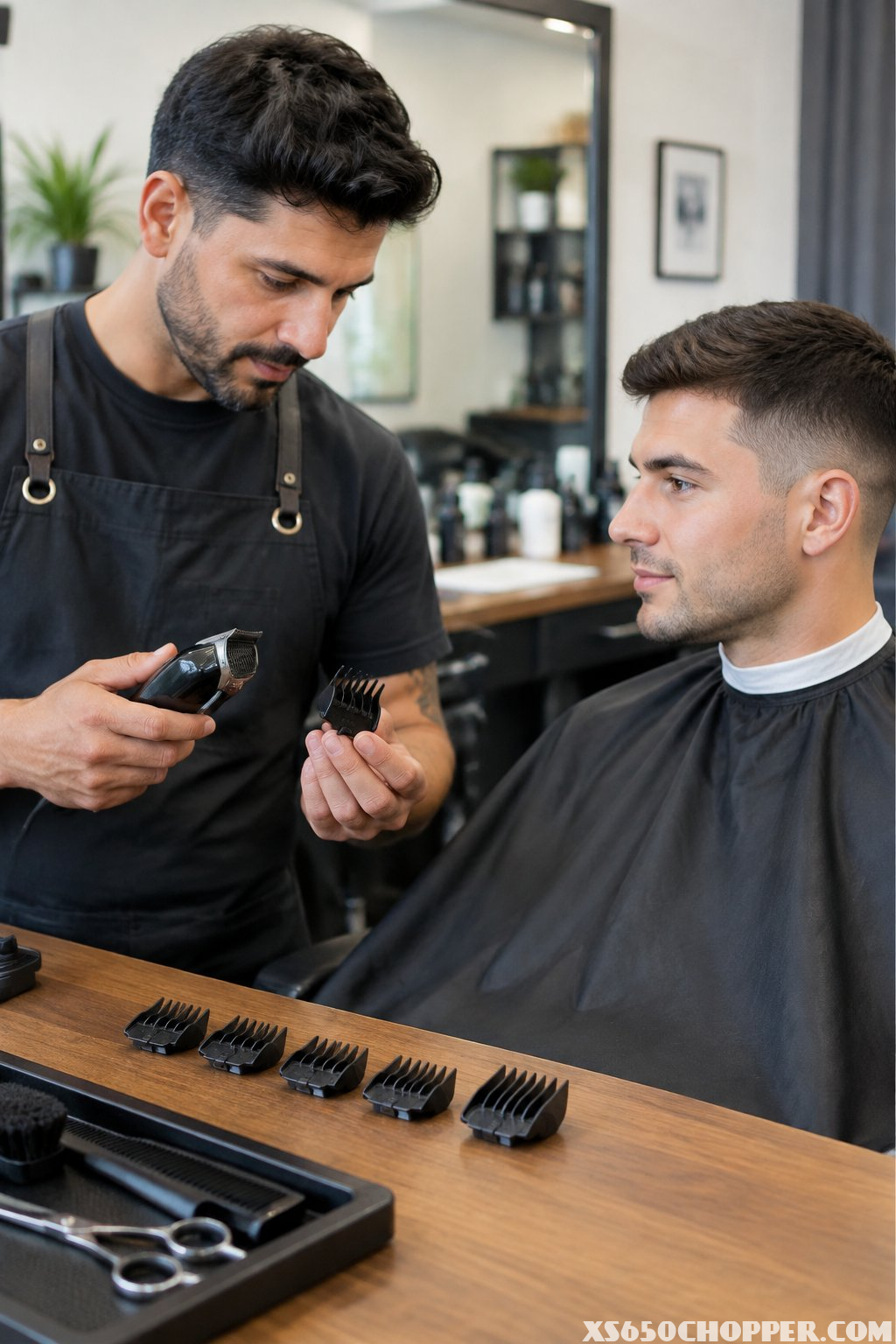
Choose a clipper guard by deciding how much hair you want to keep and how your hair’s texture will look at that length. Guard numbers rise in 1/8-inch steps, from #1 at 1/8 inch to #8 at 1 inch.
How Much Length Do You Want to Keep?
Start with the shortest length you would feel comfortable wearing, then tell your barber that guard number. If you are between two lengths, ask to begin with the longer guard and adjust after you see the result.
A clipper’s taper lever can also change the cutting length slightly. Your barber can use it to fine-tune a blend, so give both the guard number and the area you want cut.
How Do Hair Texture and Growth Affect the Result?
Your hair texture and growth pattern affect how a guard length appears. Coarse, curly, or wavy hair can show more shape at longer guard sizes, while a close cut can make scalp visibility more noticeable.
Cowlicks and uneven growth can also affect how evenly a short cut sits. Point out any areas that stick up or grow in a different direction before your barber starts clipping.
What to Tell Your Barber

Give your barber the guard number, the area you want it used on, and the finish you want around the edges. Clear details help your barber translate the requested length into a cut that suits your head and hair.
Should You Ask for a Guard Number or a Length?
Use both when you want precision: say the guard number and its length in inches. For example, ask for “a #4 guard, about half an inch, on top.”
Guard numbering is familiar to barbers, while the measurement confirms the length you mean. Clip-on guards and clipper settings can vary, so naming the area and desired result adds useful context.
How Can You Describe a Fade or Taper?
For a fade, tell your barber where you want it to start and how short you want the sides to go. You can name a guard number for the starting length, then ask for a gradual blend toward the neckline or temples.
For a taper, specify the areas you want shortened, such as the sideburns and neckline, while keeping the rest of your cut at the requested length. A reference photo can help communicate the shape and height you have in mind.