You can create 6 Italian Beard Trims You Can Do at Home with a guarded trimmer, a detailer, and careful guide lines.
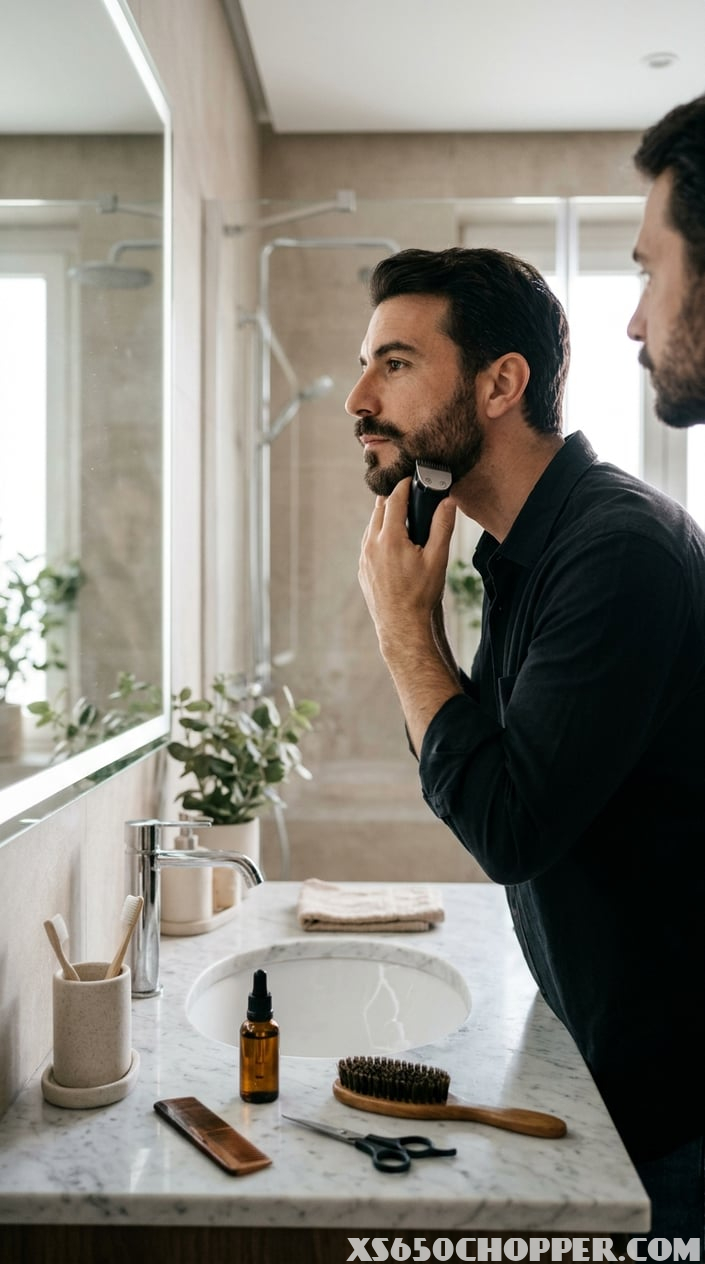
A clean Italian-inspired trim pairs deliberate edges with a shape that suits your growth pattern. Work in small passes, check both sides in the mirror, and use a longer guard first so you have room to refine the length.
1) Classic Full Italian Beard
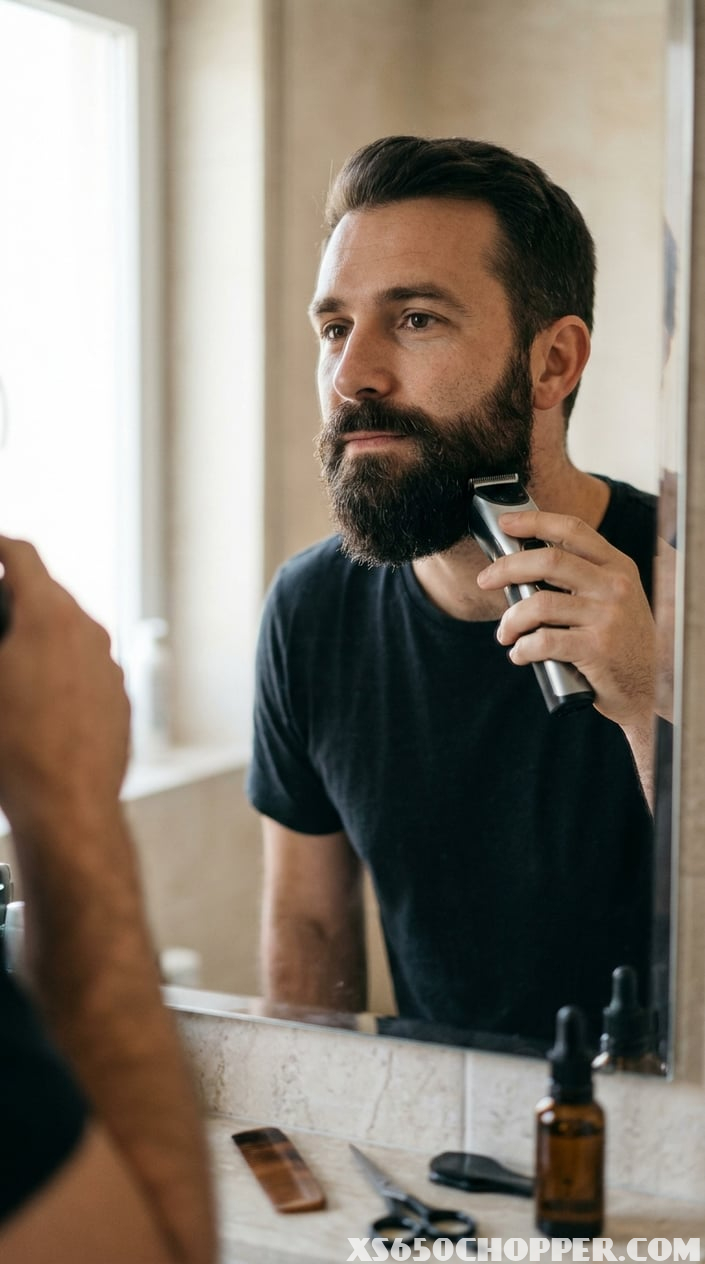
Keep the cheek and jaw coverage full, then sharpen the outline for a classic, substantial look. Comb your dry beard downward and trim it evenly with a longer guard, following the growth direction. Use a shorter setting only where you want to remove bulk, especially beneath the jaw.
Set a soft cheek line by clearing stray hairs above your natural growth boundary. Shape the neckline in a shallow curve about one to two finger-widths above your Adam’s apple, then blend the edge into the area behind each jaw.
PRO TIP
Trim both sides in short passes and compare them from the front. A small amount of asymmetry is easier to correct before you shorten the whole beard.
2) Disconnected Italian Mustache and Beard
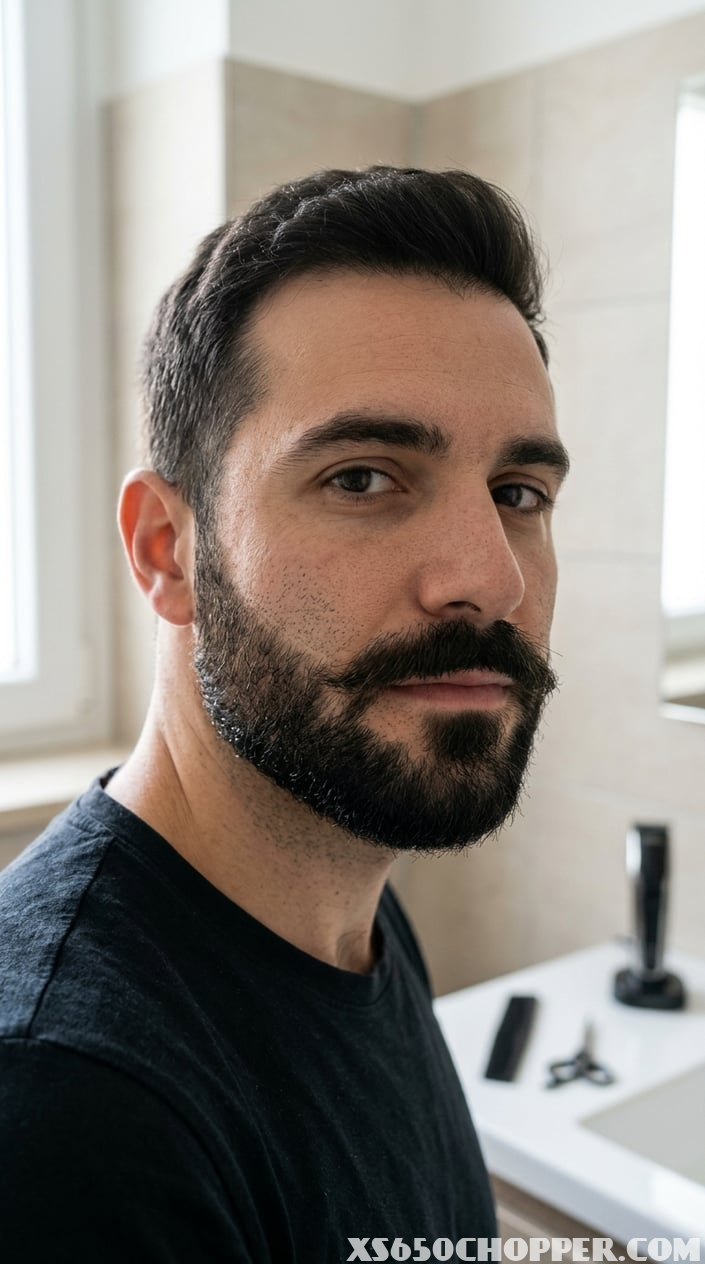
Create a visible gap between your mustache and beard for a crisp, disconnected finish. Comb the mustache away from the corners of your mouth, then use a detail trimmer to clear the narrow strip where it would otherwise meet the beard. Keep the separation even on both sides.
Trim the beard to your chosen length with a guard, and define the cheek and neckline after the main shaping. Leave enough mustache length to frame your upper lip, then remove hairs that fall across it with small snips.
PRO TIP
Use the corner of your mouth as a guide for the separation line. Remove a little hair at a time, checking the gap from the front before sharpening it further.
3) Italian Beard Fade
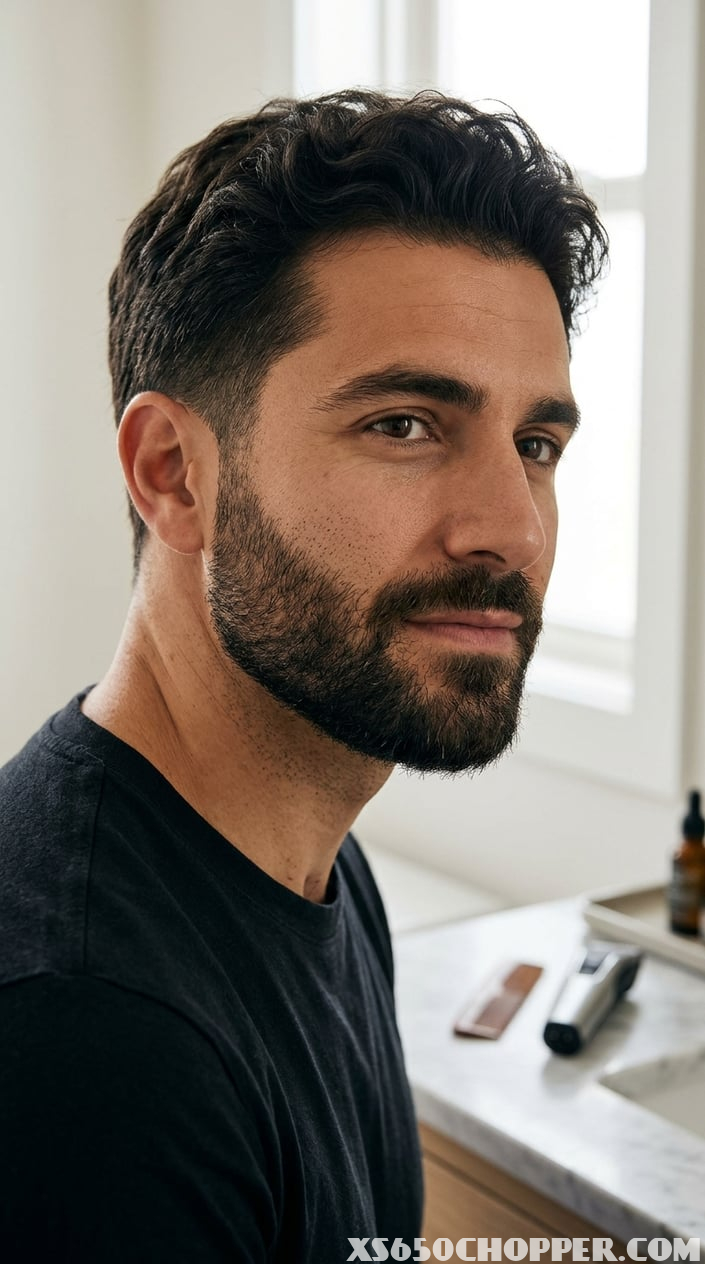
Blend shorter sideburns into fuller cheek and jaw hair to build a gradual beard fade. Start with your longest guard on the beard, then use a shorter guard near the sideburn. Step through an intermediate guard between those lengths, making short upward strokes and flicking the trimmer away as you reach the transition.
Keep the fade area compact so the cheek retains enough density. Use a detail trimmer to clean stray hairs along the cheek line, then check the blend from both sides in bright, even light.
PRO TIP
Change one guard length at a time and keep the transition at a similar height on each side. If a line appears, soften it with the guard length between the two sections.
4) Short Italian Boxed Beard

A short boxed beard gives you compact cheek coverage with a squared, defined lower outline. Set an even short length across your beard with a guard, then use a detailer to draw clean cheek boundaries. Keep the cheek lines balanced and follow your natural growth rather than cutting a high, abrupt edge.
Square the shape around your jaw by trimming the lower corners with controlled strokes. Define the neckline in a shallow curve, and clear stray hairs below it with a bare trimmer or razor.
PRO TIP
Leave the front of your chin slightly fuller than the sides if you want the boxed shape to read clearly. Recheck the jaw corners with your head level before trimming more.
5) Italian Goatee With a Defined Chin

Center the length and definition on your chin, with a neat mustache framing the mouth. Comb the chin hair downward and trim it to an even length with a guard. Shape the sides of the goatee so they taper toward your chin, then clean the cheeks and jaw outside the chosen outline.
Keep the mustache connected to the goatee for a unified shape, or leave a small gap if you prefer a sharper separation. Use a detail trimmer around the mouth and check that the chin outline sits centered beneath your lower lip.
PRO TIP
Start with a wider goatee outline, then narrow it gradually while checking your face straight on. A too-narrow shape is difficult to widen until the surrounding hair grows back.
6) Italian Beard With a Curled Mustache
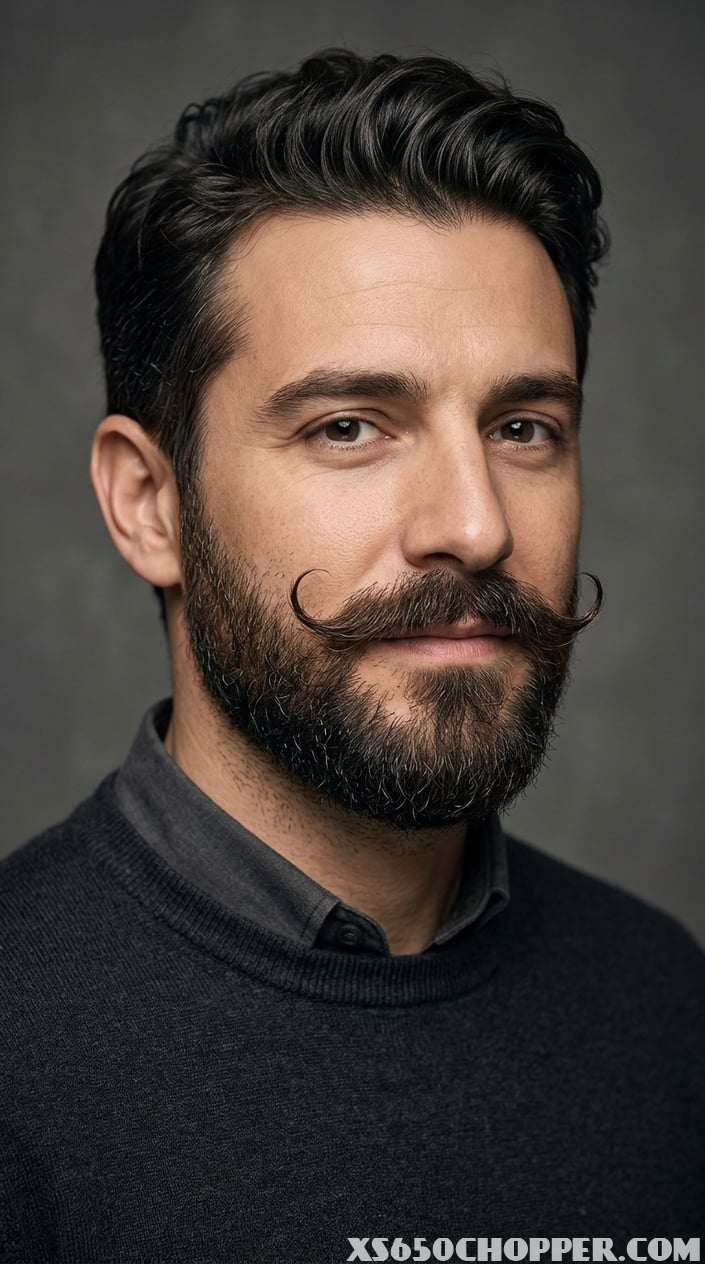
Pair a shaped beard with a longer mustache that you can train into curled ends. Trim the beard evenly with a guard and define its cheek and neckline. Leave the mustache longer at the outer corners, then use small scissors to keep hairs clear of your upper lip.
Apply a small amount of mustache wax and guide each end outward and upward with your fingers. Curl the tips gradually so both sides look balanced, and keep the center of the mustache tidy.
PRO TIP
Train the curl after washing and drying your mustache, when the hairs are easy to shape. Use a little wax first, adding more only if the ends do not hold their direction.
How to Choose the Right Italian Beard Trim
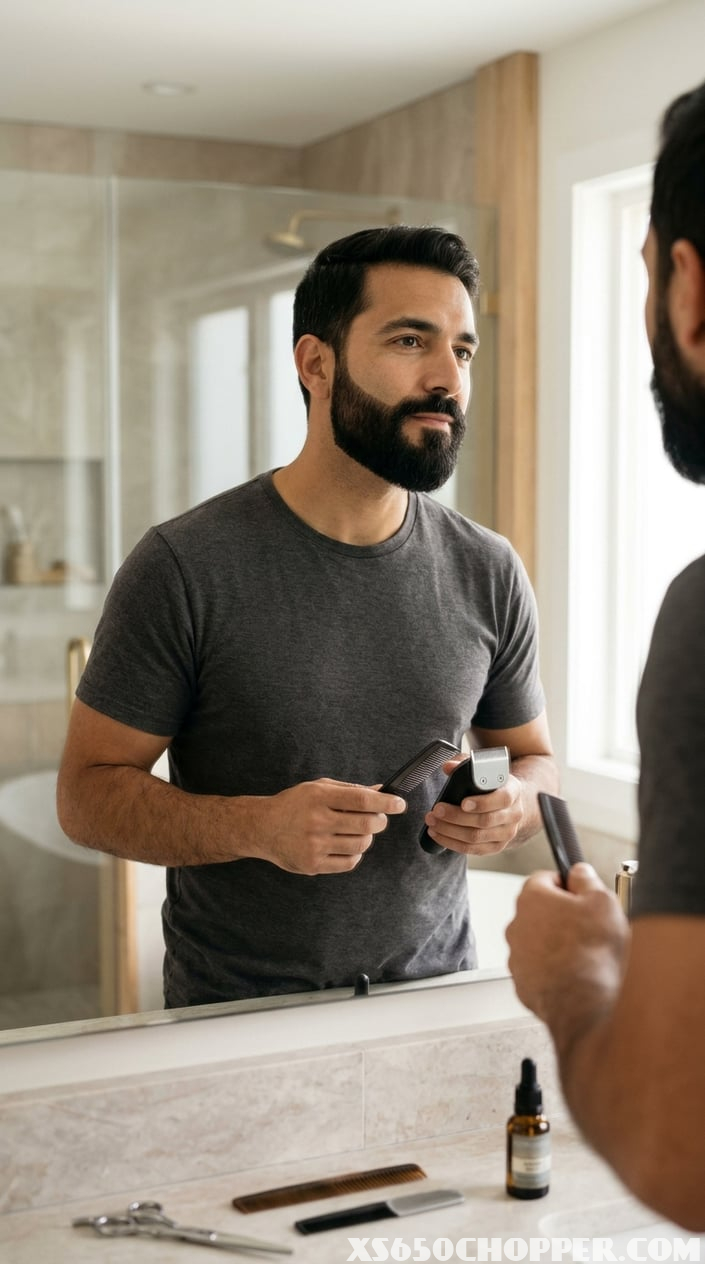
Choose a trim that works with your face proportions, growth pattern, and willingness to maintain its edges. A fuller beard adds visual weight along the jaw, while a goatee draws attention toward the chin. A fade gives you a gradual transition at the sides, and a curled mustache requires enough length to shape its ends.
Which Style Suits Your Face Shape and Beard Growth?
A full beard or short boxed beard gives you cheek and jaw coverage when growth is even in those areas. If your cheeks grow sparsely, a goatee keeps the focus on denser chin and mustache hair. A disconnected mustache can suit you when the hair at the mouth corners does not connect cleanly.
For a rounder face, keep the sides relatively close and leave modest length at the chin. A longer face can carry fuller sides, while a fade helps reduce bulk near the sideburns.
How Much Upkeep Does Each Style Need?
A short boxed beard needs frequent edge checks because its shape relies on clean lines. A fade also needs regular blending as the sideburn area grows out. Full beards allow more time between full trims, while disconnected shapes require touch-ups where the mustache meets the beard.
A curled mustache needs daily combing and wax to hold its shape. Choose a style whose line cleanup and length control fit the time you have for grooming.
Tools and Prep for Trimming at Home
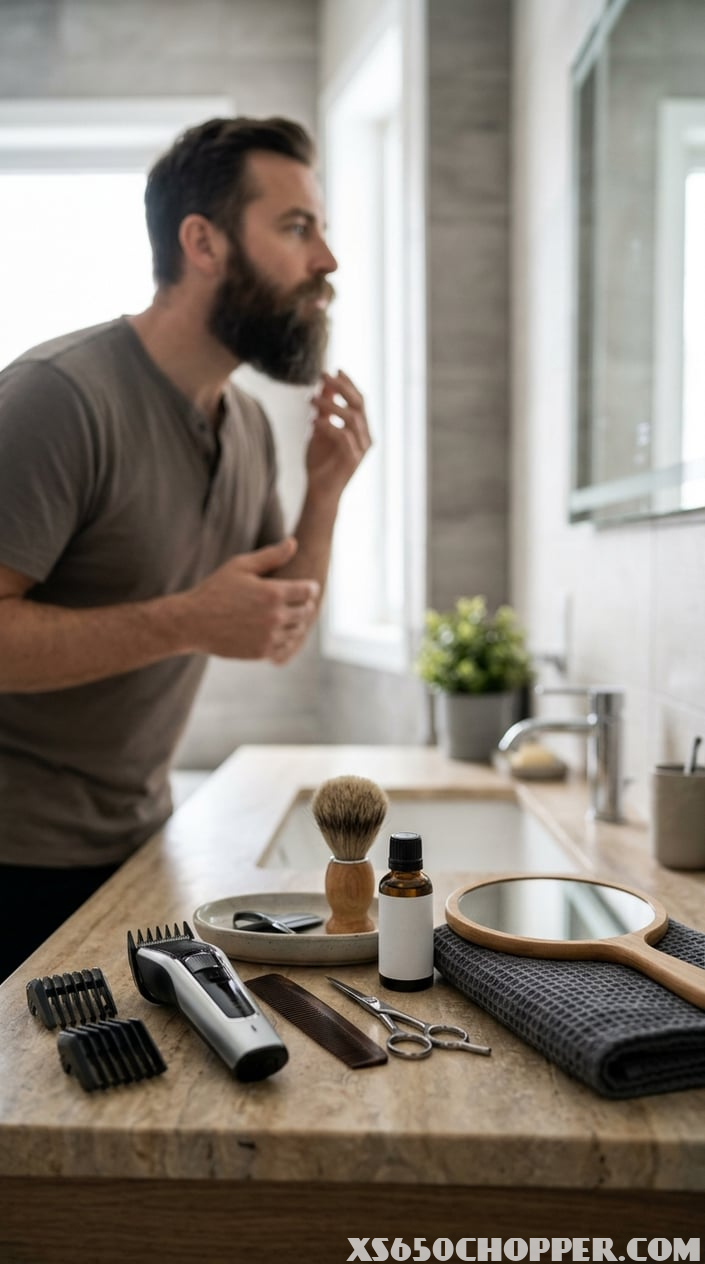
A guarded trimmer, detailer, comb, and grooming scissors give you the control needed for a careful home trim. Start with a clean, dry beard so the hairs sit naturally and the guard cuts consistently. Work in good light with a mirror that lets you check your face straight on.
What Trimmer Guards and Grooming Tools Do You Need?
Use adjustable guards to set the beard length and create gradual changes, plus a detail trimmer for outlines and a comb to lift or align hairs. Grooming scissors help remove long mustache hairs or isolated uneven ends. Keep a razor for cleaning the skin below your neckline, and use a brush or towel to clear loose clippings.
Begin with a longer guard than you think you need. You can shorten the beard in another pass, while a too-short first pass takes time to grow out.
How Should You Set and Clean Up Your Guide Lines?
Comb your beard into its natural position, then mark the cheek boundary by following the growth line. Set the neckline in a shallow curve above the Adam’s apple, with both sides rising toward the area behind your jaw. Keep your head level while checking that the lines look even from the front.
Trim the main length before cleaning the edges. Use a detailer on the outside of each guide line, then remove the stray hair below the neckline with a razor or bare trimmer. Wipe the tools clean after use and follow the manufacturer’s instructions for blade care.