
A clipper guard chart makes your requested length easy to communicate: a #1 leaves ⅛ inch, a #2 leaves ¼ inch, a #3 leaves ⅜ inch, and a #4 leaves ½ inch. Each step adds ⅛ inch of hair, giving you a simple way to choose how close your cut should sit.
Those measurements refer to the hair left after clipping. Your hair texture, the clipper blade, and the barber’s technique affect how the finished length looks, so tell your barber the guard number and describe the result you want.
1) Number 1 Haircut: ⅛ Inch (3 mm)
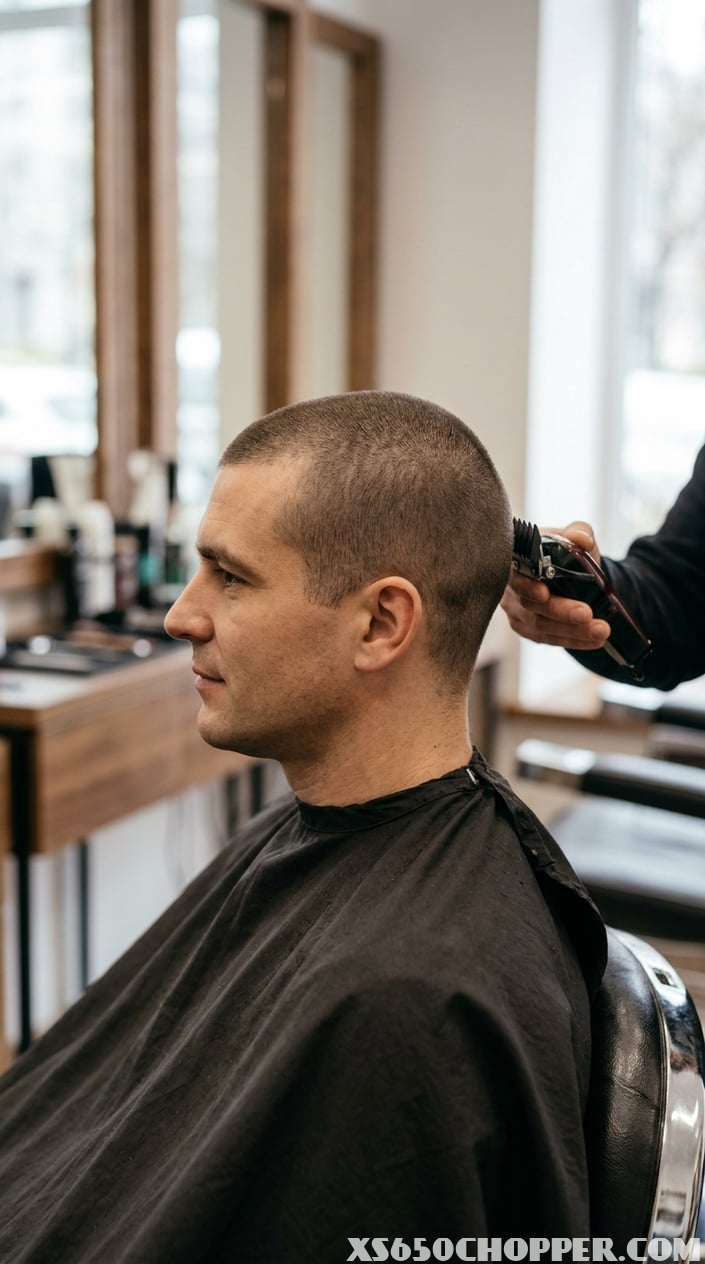
A #1 guard leaves ⅛ inch (3 mm), creating a close, even cut with some scalp visibility. It suits a short buzz cut or the sides of a fade when you want a crisp, low-profile finish.
Your hair’s density and color affect how much scalp shows through at this length. If you’re unsure, ask your barber to start with a #2 and move shorter after you see the result.
PRO TIP
Say “a #1 all over” if you want the same length across your head. If you want a fade, specify where you want the #1 to begin.
2) Number 2 Haircut: ¼ Inch (6 mm)
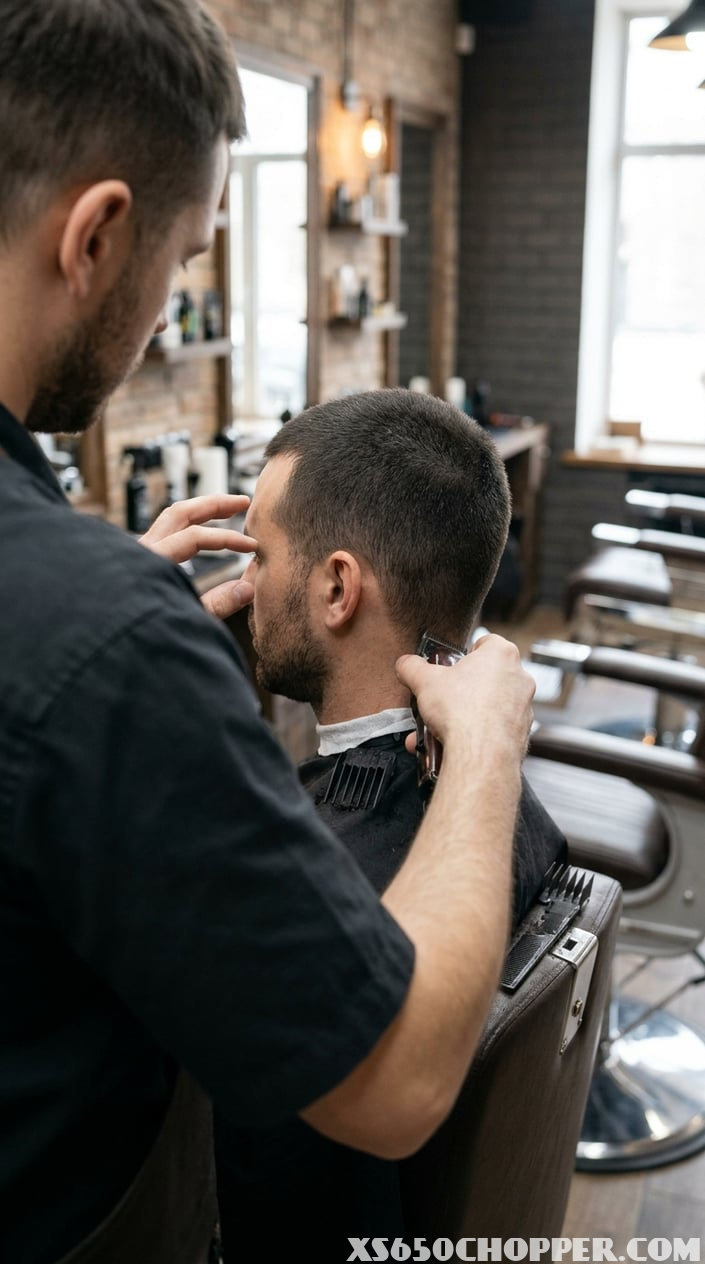
A #2 guard leaves ¼ inch (6 mm), giving you a short cut with more coverage than a #1. Choose it for a neat buzz cut that keeps your scalp less exposed.
The extra ⅛ inch adds a little softness and visible texture. You can also request a #2 on the sides with a longer guard on top for a subtle difference in length.
PRO TIP
Tell your barber whether you want the #2 all over or only on specific areas; the same guard creates a different look when paired with longer hair on top.
3) Number 3 Haircut: ⅜ Inch (10 mm)

A #3 guard leaves ⅜ inch (10 mm), giving you a short, even cut with more texture and coverage than a #1 or #2. It works well for a longer buzz cut or a uniform clipper cut.
At this length, your hair’s direction and natural growth pattern can show more clearly. Ask your barber to check the cut against your crown and hairline so the finish looks balanced.
PRO TIP
If you want a little contrast, request a #3 on top and a shorter guard on the sides. Specify whether you want a blended transition or a clear step between lengths.
4) Number 4 Haircut: ½ Inch (13 mm)
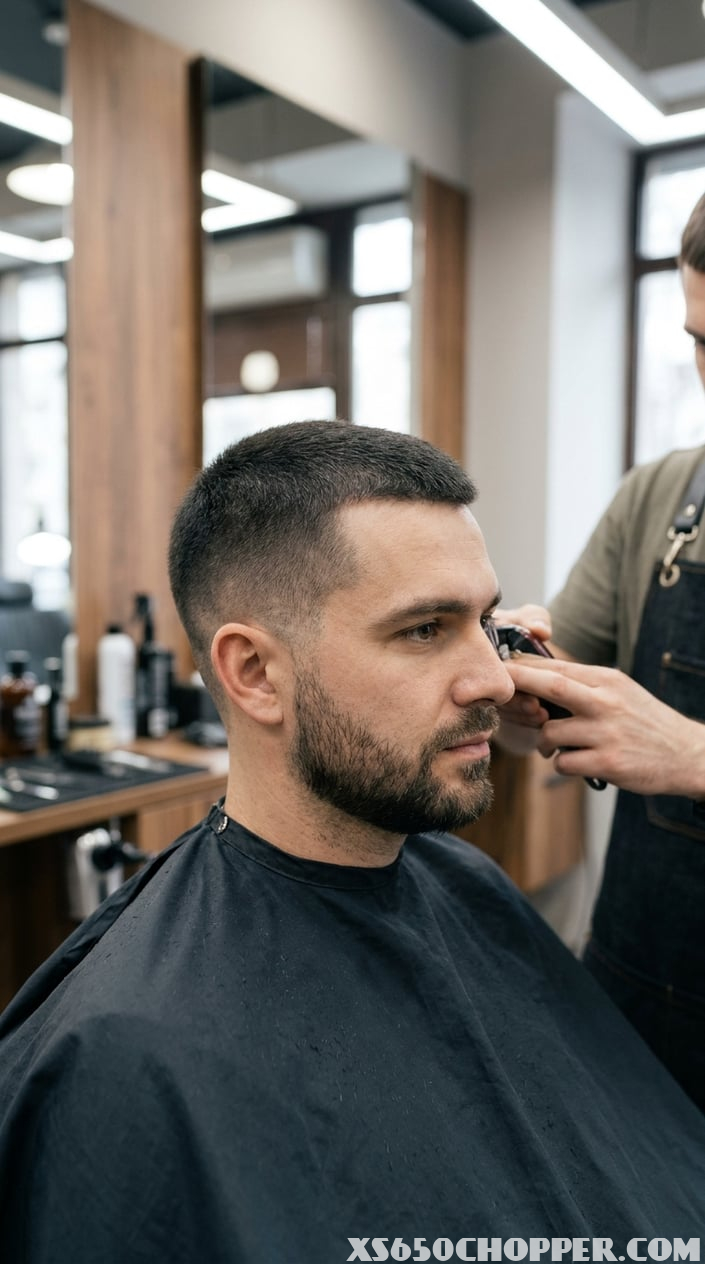
A #4 guard leaves ½ inch (13 mm), the longest of these four options. It gives you a short cut with enough length to show more of your hair’s texture and shape.
Choose a #4 for a fuller buzz cut or a consistent clipper length across the head. If you want a tapered look, tell your barber which areas should stay at #4 and where you want shorter guards.
PRO TIP
For a conservative first cut, ask your barber to leave the top at #4 and shorten the sides gradually. You can go shorter at your next appointment if you prefer a closer finish.
How to Choose a Clipper Guard

Choose a guard by deciding how much length you want to keep, then account for how your hair and scalp look at that length.
How much length do you want to keep?
Use the guard measurements as a starting point: #1 leaves ⅛ inch, #2 leaves ¼ inch, #3 leaves ⅜ inch, and #4 leaves ½ inch. Each step up keeps another ⅛ inch of hair, so a one-number change is visible in a close cut.
Tell your barber whether the length applies all over, to the sides, or to the top. That detail helps distinguish a uniform buzz cut from a cut with varied lengths.
Should you consider your hair type and scalp visibility?
Yes, consider both, because density, curl pattern, and hair color affect how a guard length appears. Fine or thinning hair can reveal more scalp at a short setting, while dense or curly hair can look fuller at the same measured length.
If you’re unsure how close to go, ask your barber to begin with the longer guard you’re considering. You can then decide whether to shorten it.
How to Ask Your Barber for the Right Length
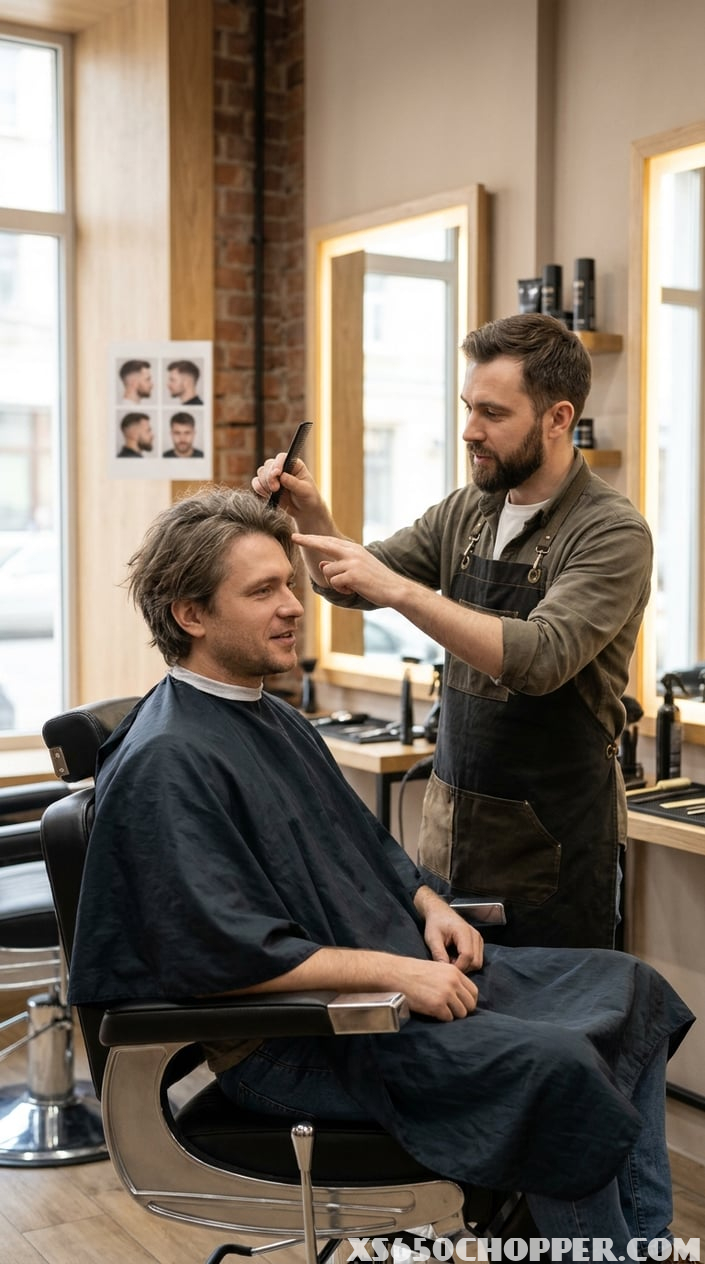
Give your barber the guard number, the area where you want it used, and the shape you want around the edges.
How can you describe the guard number clearly?
State the guard and placement in one clear request, such as “a #2 all over” or “a #4 on top with a #2 on the sides.” If you want a fade, explain where the shortest length should start and how high you want the blend.
You can also name the finish you’re aiming for, such as a uniform buzz cut or a gradual taper. Ask your barber to confirm the guard length before clipping.
When should you bring a reference photo?
Bring a reference photo when you want a particular outline, fade height, or balance between the top and sides. A photo helps communicate the shape, while the guard number clarifies the length you want.
Choose an image with a similar hair texture and density to yours. Point out the specific detail you like, then confirm the guard and placement with your barber before the cut begins.